Swim Coaches Share Five Strategies to Build Process-Oriented
Olivier Poirier-Leroy outlines five practical methods for coaches to help swimmers focus on controllable actions rather than outcomes, including setting
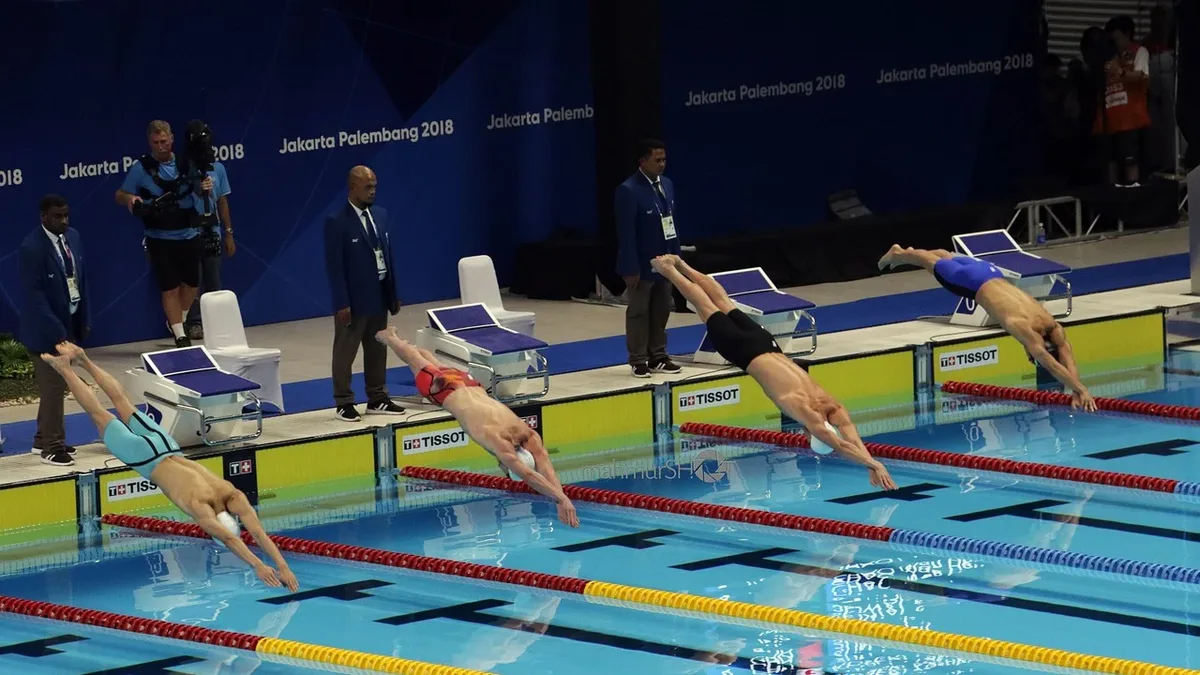
Swimming is heavily results-focused, with times, splits, medal podiums, qualifying standards, meet scores, and personal bests driving much of the sport’s culture. While striving for these outcomes is natural in competitive swimming, an overemphasis on results can turn training into a daily true-or-false judgment on progress toward goals. Encouraging swimmers to be more process-oriented does not mean they care less about big goals; it means they stay engaged with the actions that lead to those outcomes. Coaches can build this mindset through specific, actionable strategies.
One effective approach is to give swimmers process targets during main sets instead of solely outcome-based times. The pace clock provides reliable feedback but can become the only thing swimmers fixate on. By adding execution targets-such as five dolphin kicks off every wall, descending the final 25s or 50s, breaking out with maximum speed, or counting strokes per lap-swimmers gain another way to evaluate rep quality. This shifts focus from where the second hand lands at the wall to how the time was produced, reinforcing the behaviors that lead to faster swimming.
Another tool is daily process accountability through a quick post-practice grade. Swimmers can rate their effort out of 10 or with a letter grade based on controllable actions like staying focused on a technique adjustment, attacking every turn, encouraging a teammate, finishing a set properly, or responding well after a bad repeat. This subjective grading reinforces that a successful practice is not defined solely by in-practice personal bests but by the execution of small, meaningful actions. Over time, swimmers move from asking “how fast was I today?” to reflecting on “how well did I do on the things I can control?”
Breaking big goals into controllable pieces helps swimmers channel ambition into daily habits. Ambitious goals-like Caeleb Dressel’s 17.6 in the 50-yard freestyle, Katie Ledecky’s Olympic freestyle dominance, or Michael Phelps’ eight gold medals-can initially motivate but may lead to result obsession as their scale becomes clear. Instead of caring less about the goal, coaches should help swimmers turn ambition into process. Starting with performance goals like quicker starts or cleaner turns, they build process goals such as attending 95% of practices, giving 9/10 effort in main sets, going to bed by 10pm nightly, doing three mental race rehearsals each weekend, or swimming one lap at a time during tough sets. When big goals become trainable skills tied to daily habits, the focus shifts from distant outcomes to present execution.
Evaluating races by execution rather than result helps swimmers learn from performance. After a disappointing swim, it is tempting to focus only on the time or placing, but swimmers already know the result. More helpful is asking: What worked? What broke down? What was under your control? What will we adjust next time? This process-focused feedback does not dismiss the importance of results-bad swims still hurt after hard work-but it extracts actionable information. Maybe the race strategy worked but front-end speed lagged, stroke length faded early, or distraction came from a faster lane neighbor. Such insights teach swimmers to get curious and learn instead of judging themselves ruthlessly.
Finally, reinforcing the distinction between controllables and uncontrollables combats unhealthy comparison. Swimmers naturally compare heat sheet seeding, lane neighbors, splits, results, and competitors during warm-ups or across events. While some comparison can motivate, excessive focus on uncontrollables drains energy. Coaches should set this distinction early in the season, reminding swimmers what happens when they fixate on what they cannot change. Posting controllables versus uncontrollables on whiteboards, in locker rooms, and revisiting them during goal planning, post-meet debriefs, and pre-Big Meet periods helps swimmers stay mentally in their own lane. By repeatedly directing attention to what they can control-their process-swimmers improve their chance to excel, avoiding being buried by externals like medals, qualification standards, or heat sheets.
The bottom line is that elite swimmers use their hunger and competitive instincts not by wanting success badly alone, but by channeling that drive through consistent process. Wanting it means showing up, doing the daily work, staying unfazed by externals, and recognizing that today’s pool work matters more than staring at a goal sheet late at night. For coaches, making this shift requires making the process visible and consistent: give execution targets, use daily effort grades, break goals into habits, diagnose races by execution, and relentlessly reinforce controllables. By crushing the process, swimmers will crush results on race day. Olivier Poirier-Leroy, a former national-level swimmer, two-time Olympic Trials qualifier, and author of Conquer the Pool: The Swimmer’s Ultimate Guide to a High-Performance Mindset, offers this book as a structured resource for building these skills. The book combines sport psychology research, guided worksheets, and lessons from Olympic champions to help coaches integrate mental training into daily practice. Swim clubs interested in team orders can learn more and get pricing through the provided link.