Us Olympic Trials 2028
| Event | U.S. Olympic Team Trials for Athletics |
|---|---|
| Date | June 2028 |
| Location | Eugene, Oregon, USA |
| Qualification Standard | Meets or exceeds World Athletics and USATF standards |
| Selection Purpose | To select the U.S. Olympic team for track and field events |
| Venue | Hayward Field |
| Frequency | Quadrennial (every four years) |
| Organizing Body | USA Track & Field (USATF) |
Origin and history
The United States Olympic Trials are a domestic institution with origins in the late 19th and early 20th centuries, evolving alongside the modern Olympic Games themselves. The concept of a formal, singular trials event to select a national team solidified in the early 20th century as the U.S. Olympic movement became more organized. The specific "2028" designation refers to the quadrennial cycle leading to the Olympic Games hosted by Los Angeles in that year. This iteration is part of a continuous tradition, though the structure and qualifying procedures have been refined over decades. The trials are organized by the United States Olympic & Paralympic Committee (USOPC) in conjunction with the respective National Governing Bodies for each sport. Their history is deeply intertwined with the American sporting culture, serving as the definitive proving ground for Olympic hopefuls for over a century.
What it is for
The primary purpose of the U.S. Olympic Trials is to select the athletes who will represent the United States at the upcoming Olympic Games. It is a series of competitions, often held separately for different sports, where athletes must meet or exceed predetermined performance standards to even qualify to compete at the Trials. The event serves as the final and most critical filter, where achieving a high placement, typically first, second, or third depending on the sport's quota, is mandatory for Olympic team selection. It functions as a direct meritocracy, where performance at a specific moment under intense pressure determines an athlete's Olympic fate. Beyond selection, the Trials also generate public interest and narrative for the upcoming Games, showcasing the depth of American talent in various sports. The process is designed to ensure that the nation fields its most in-form and competitive athletes, as past achievements alone do not guarantee a spot on the team.
Pros and cons
A significant pro of the U.S. Olympic Trials system is its transparent and performance-based nature, which minimizes selection controversy and is generally perceived as fair by athletes and the public. It creates a high-stakes, dramatic spectacle that elevates the profile of Olympic sports in a crowded media landscape. This system can disadvantage athletes who have proven consistency over a long period but peak slightly outside the Trials window, while potentially favoring those who have a singular peak performance at the right moment. Some athletes and coaches regret the system's unforgiving nature, arguing that a more holistic selection process considering season-long results could create a stronger team. A common mistake by spectators is to assume the Trials winners are automatically the best medal hopes, when in fact the extreme pressure of the event can sometimes produce unexpected results not fully indicative of global competitive standing.
Who it suits
This system best suits athletes who are exceptional competitors under extreme, one-time pressure and who can time their peak physical condition precisely for the Trials event. It favors those who thrive in a winner-take-all, direct-qualification environment rather than a cumulative points or committee selection process. The Trials are particularly suited to sports where final team selection is objectively determined by time, distance, or head-to-head competition, such as track and field and swimming. They are less suited to sports where subjective judging or team dynamics play a larger role in ultimate international success, though the Trials model is still applied. This format benefits athletes who perform well in high-domestic-stakes environments, as the Trials often have a unique atmosphere distinct from international competitions. Ultimately, it suits the American sporting ethos that values a clear, democratic path to the pinnacle event, where every athlete understands the identical, non-negotiable requirement for team membership.
Latest Us Olympic Trials 2028 news
Latest reporting
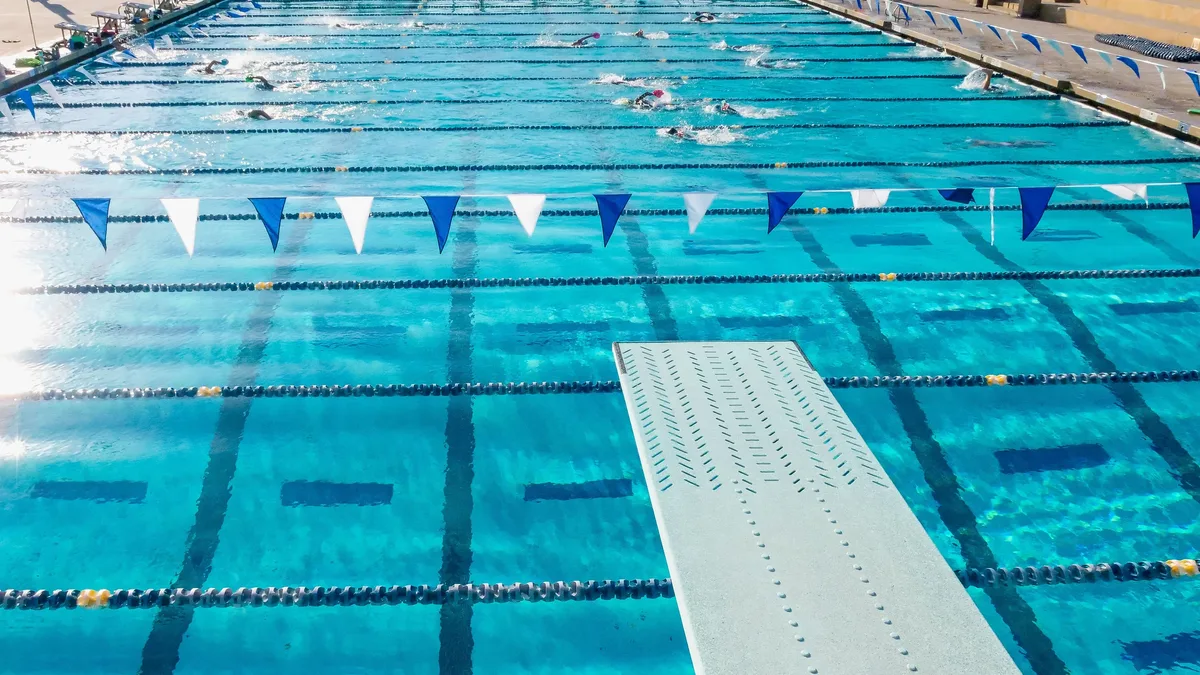
USA Swimming Elects Dolan, Ugast, Bentz to Board
Olympic medalists Tom Dolan and Gunnar Bentz, alongside veteran coach Tom Ugast, have been elected to the USA Swimming Board of Directors, filling key
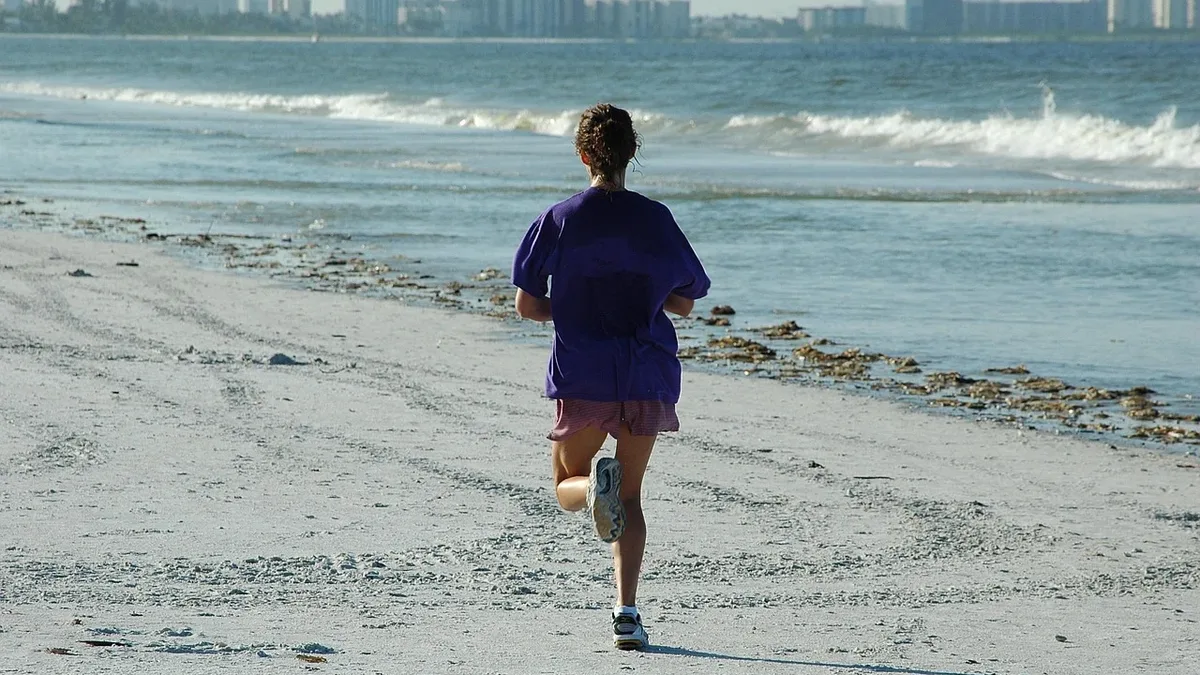
LA28 Venice Beach Triathlon Course Unveiled
The 2028 Olympic and Paralympic triathlon will be held on Venice Beach, featuring a rare beach swim start and a shared finish line, with the women's...
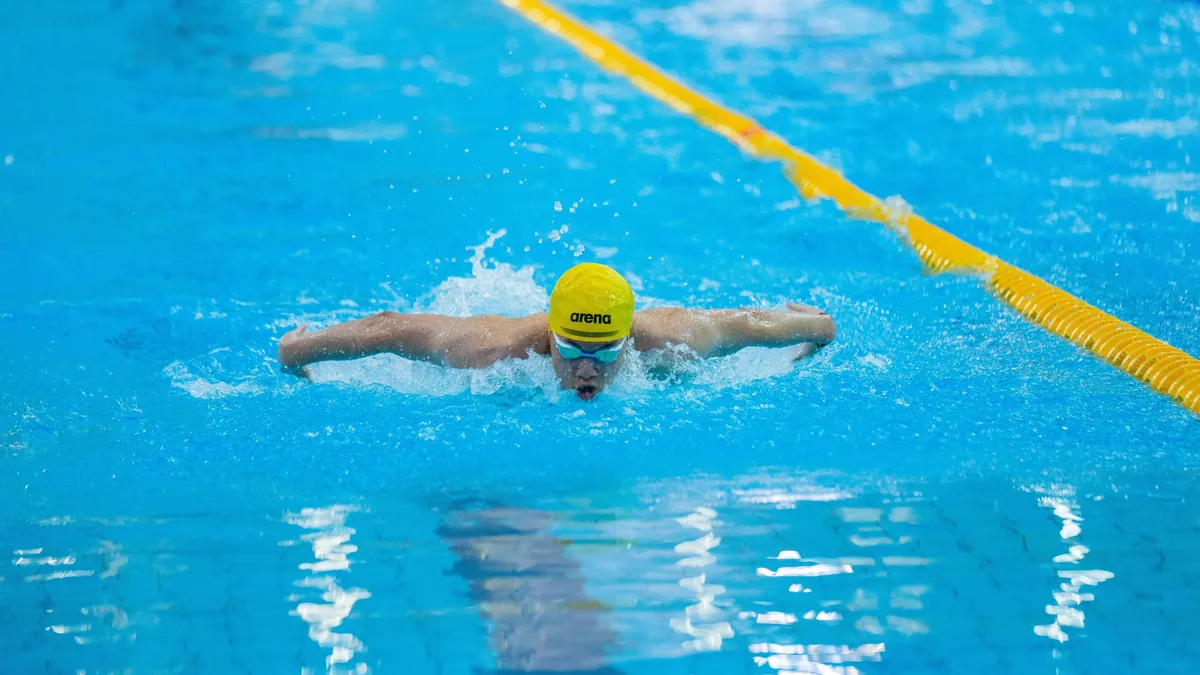
Olympic Champion Tatjana Smith Announces Swimming Comeback
Olympic champion Tatjana Smith has officially announced her return to competitive swimming after retiring in 2024.
Avery Hogue Verbally Commits to Penn State for 2028
Missouri state champion Avery Hogue has given a verbal commitment to join Penn State University's swimming program in the fall of 2028.
Olympic Champion Wendy Boglioli Recalls Rejection That Led
Wendy Boglioli, a 1976 Olympic gold medalist, shared on social media how a rejection letter from University of Wisconsin coach Jack Pettinger became...
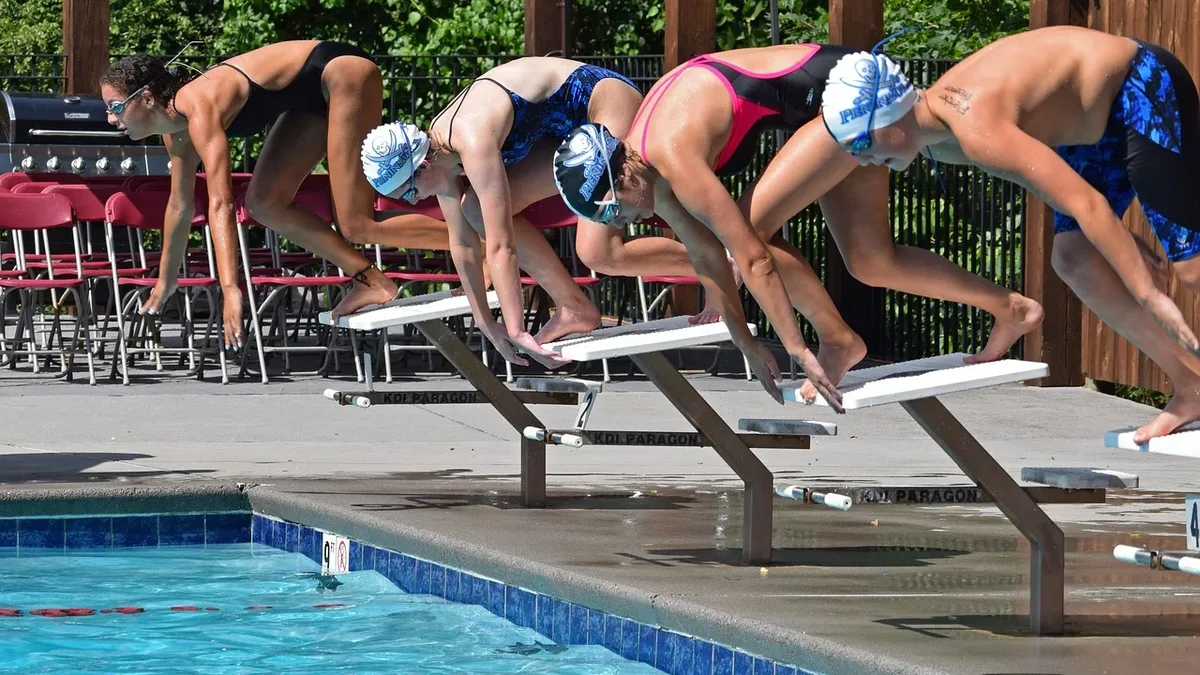
Swimming World Magazine Offers Five Tips for a Successful
Summer Finke, a U.S. Olympic Trials qualifier, outlines five mental and practical strategies for swimmers to build a successful season, focusing on