Ncaa Championships 2026
| Event type | Collegiate athletics national championship |
|---|---|
| Governing body | National Collegiate Athletic Association (NCAA) |
| Frequency | Annual |
| Competition standard | NCAA Division I |
| Season | Varies by sport |
| Number of sports contested | Varies by year |
Origin and history
The NCAA Championships are a series of annual collegiate athletic tournaments originating in the United States. Their history traces back to the early twentieth century, with the formation of the National Collegiate Athletic Association in 1906 to establish rules and improve safety in college sports. The first official NCAA national championship was held in 1921 for track and field, establishing the model for future events. Over the decades, the championships expanded to include numerous sports for men and women, governed by the NCAA's three divisions. The 2026 iteration represents the latest annual installment in this long-standing tradition, not a new creation. The specific sites for the 2026 championships across various sports will be selected through a bidding process years in advance.
What it is for
The NCAA Championships 2026 are the culminating national tournaments to crown team and individual national champions in sanctioned NCAA sports for that academic year. They serve to determine the highest-achieving collegiate athletes and teams in the United States within a structured, national competitive framework. The events provide a definitive conclusion to the seasonal competition for sports like basketball, baseball, softball, swimming, wrestling, and track and field, among many others. They are designed to showcase elite-level collegiate athletics and are a primary mechanism for athlete recognition and legacy within the college sports system. The championships also function as a significant organizational and logistical undertaking for the NCAA, its member institutions, and host cities. Furthermore, they generate substantial media coverage and revenue that supports the broader NCAA governance structure and its programs.
Pros and cons
The events generate significant school pride and alumni engagement, creating memorable communal experiences for participating institutions. However, the system faces criticism for the immense financial and logistical pressure it places on host universities and athletic departments, which can strain resources. The selection process for team sports, often reliant on committee decisions and regional rankings, is a perennial source of controversy and accusations of bias, leaving some qualified teams disappointed. The intense, single-elimination format in many championships, while exciting, can see a team's entire season undone by one poor performance, which some argue is not the best measure of a season's quality. Furthermore, the commercialization and media rights deals surrounding the events often starkly contrast with the lack of direct compensation for the participating student-athletes, a central ethical debate in college sports.
Who it suits
The NCAA Championships 2026 primarily suit the elite collegiate athletes and teams who have successfully navigated their regular season and qualifying tournaments to earn a berth. They are designed for universities with robust athletic programs that have the resources to compete at the national level across one or more sports. The events suit dedicated fans of college athletics, alumni bases, and communities that rally behind their teams during postseason play. The championships also serve broadcasters and corporate sponsors seeking to engage with the large, passionate audience that college sports attract. They are a focal point for sports media analysts and journalists who cover the narrative and statistics of the college sports season. Conversely, they are less suited to casual sports observers or those seeking a professional level of play, as the athlete pool is inherently transient due to academic timelines and amateur status.
Latest Ncaa Championships 2026 news
Latest reporting
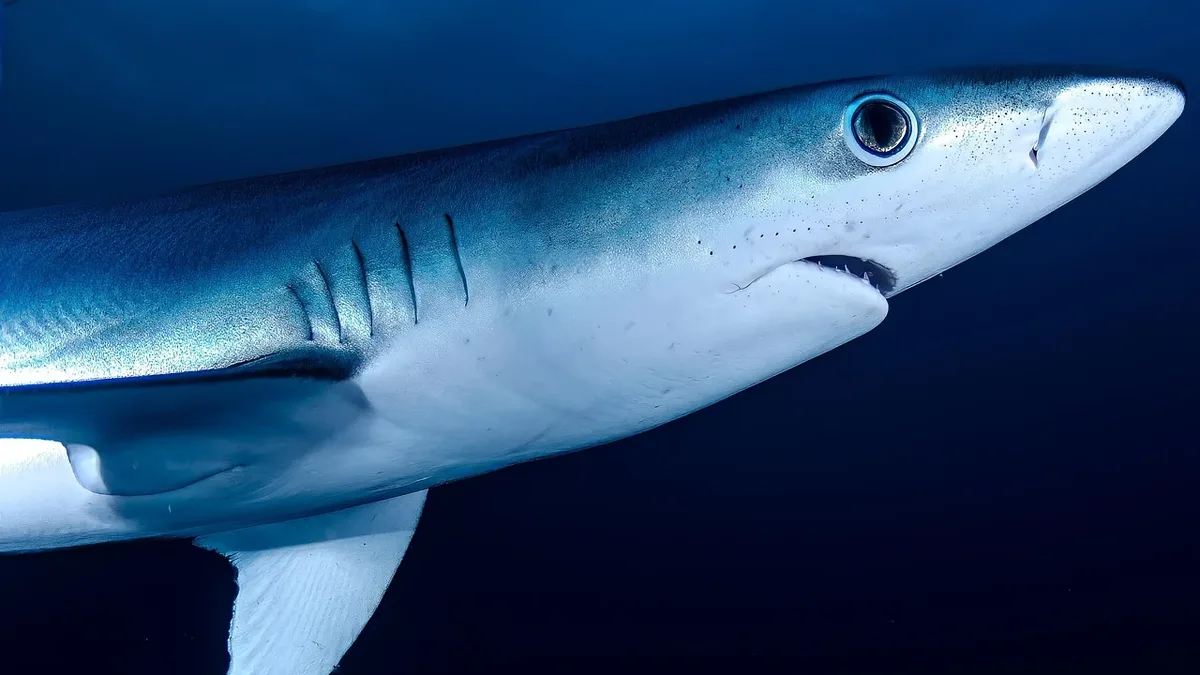
Luke Rogers Plans Great White Shark Swim for Cancer Charity
IT manager Luke Rogers, a cancer survivor from Perton, is training to swim with great white sharks in Australia in 2026 to raise £20,000 for charity.
Nike Swim Sponsors College Swimming League's 2026 Season
Nike Swim will be the season-long sponsor for the inaugural College Swimming League season, covering all eight meets from September to November 2026.
UNI Swimming and Diving Opens Season with Intrasquad Meet
The University of Northern Iowa swimming and diving team will hold its annual Purple and Gold Intrasquad meet on September 26, 2026, to debut its...
Pepperdine Waves Announce 2026-27 Swim and Dive Schedule
Pepperdine University's women's swim and dive team has released its full 2026-27 competition calendar, starting with a home invitational in October...
Angharad Evans Details NCAA Exit, Comeback to World-Class
Breaststroker Angharad Evans discusses her difficult year at the University of Georgia, her break from swimming, and her subsequent rise to win seven

Smith's Return to Racing Anticipated at South African SC
Tatjana Smith's entry into the 2026 South African Short Course Championships has generated excitement among teammates and officials.