Protect College Sports Act Stalls After Midterm Power Shift
The Protect College Sports Act, which passed the Senate in September 2026, faces a stalled House vote and likely death in Congress.
The Protect College Sports Act passed the Senate 77-22 on September 28, 2026 but now faces a stalled House vote before the congressional session ends on January 3, 2027. Democrats swept the November 2026 midterm elections, gaining control of both the Senate and the House of Representatives, shifting the political landscape for the bill's future. Power continues to move to athletic conferences, who will make decisions without the NCAA, as seen with the Big Ten’s new roster cap rule.
Athlete Rights and Legal Risks
The stalled bill grants college athletes several key protections, including an ombudsman, a third of the seats on certain rule-making boards, and a limited right to sue over some violations. These provisions respond to ongoing antitrust and Title IX concerns in college sports. Critics, however, disagree on fundamental issues, including whether athletes should be classified as employees and whether schools should receive antitrust protection without granting athletes negotiation rights.
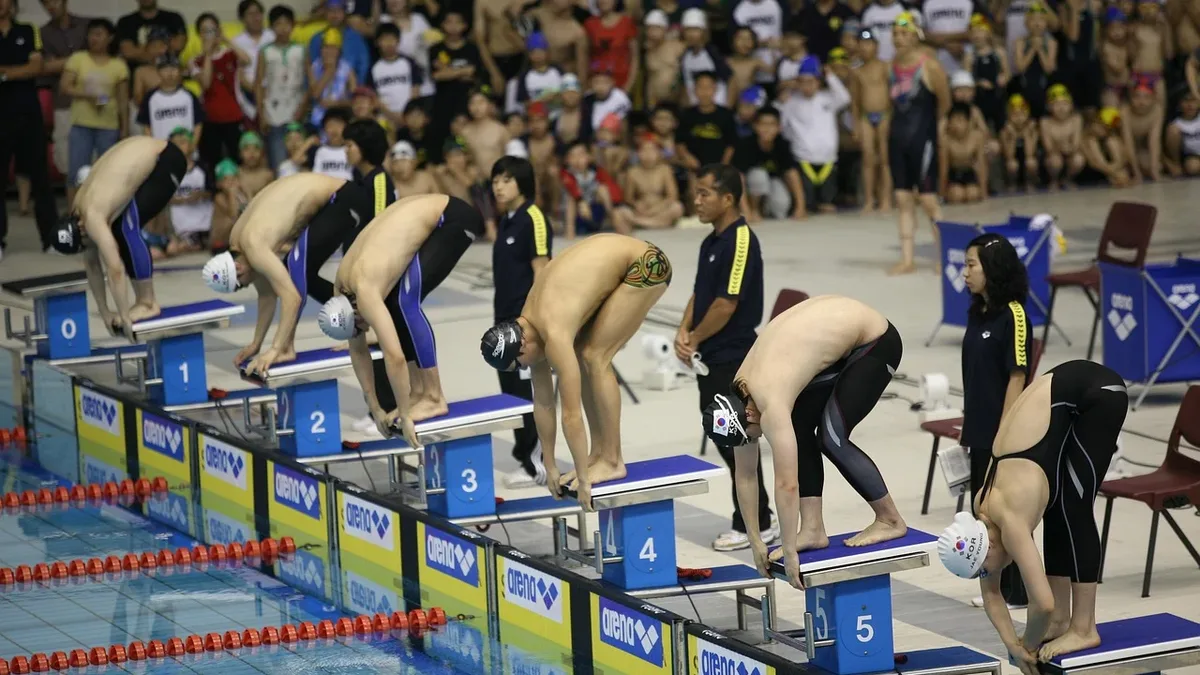
The legislation does not require schools to keep any particular sport. This means a school could drop a swimming program and maintain athlete numbers by adding roster spots in other sports. College sports governance will continue to be shaped by litigation and settlement, with frameworks like the House settlement and entities like the College Sports Commission operating but remaining exposed to antitrust challenges and conflicting state laws. Swimmers, coaches, and parents are advised they can contact their U.S. representatives and senators to advocate for what they want included in any new version of the bill.
Opposition and Uncertain Future
Legal experts and political analysts widely predict the bill is unlikely to pass before the January deadline. Sports law attorney Christopher Pham stated the bill’s passage is unlikely before January 2027. College sports attorney Mit Winter said Democrats have no reason to cooperate and rated the bill’s passage chance as slim-to-none. Darren Heitner, founder of Heitner Legal, put the chance of the bill not passing at 80 percent.
House Republican leadership is demanding changes to the bill, which would send it back to the Senate for another vote-a scenario seen as improbable in the limited time remaining. The current version of the Protect College Sports Act is therefore likely to die when the session ends. It is expected to be reintroduced in a new Congress in 2027.