The Inglorious Truth About the First Week Back at Practice
An article details the physical and psychological challenges swimmers face when returning to practice after a break, emphasizing the difficulty of

Returning to swim practice after a break is a humbling and often painful experience as swimmers transition from weeks of relaxing, traveling, and enjoying life out of the pool back to a disciplined routine.
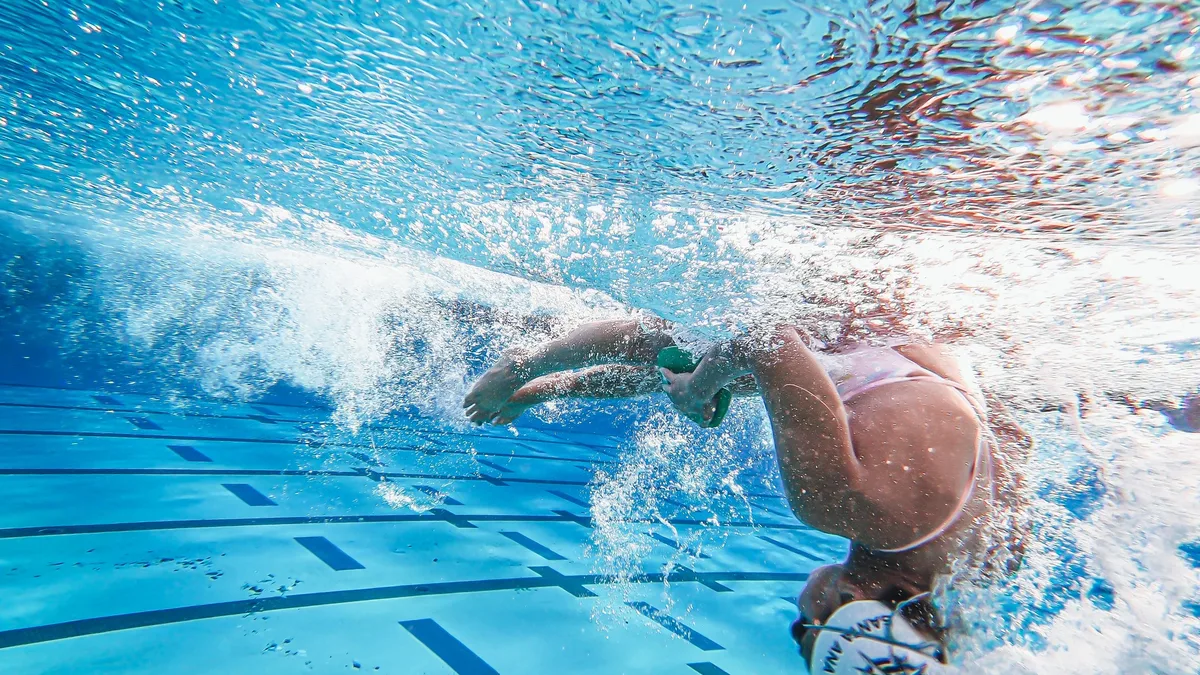
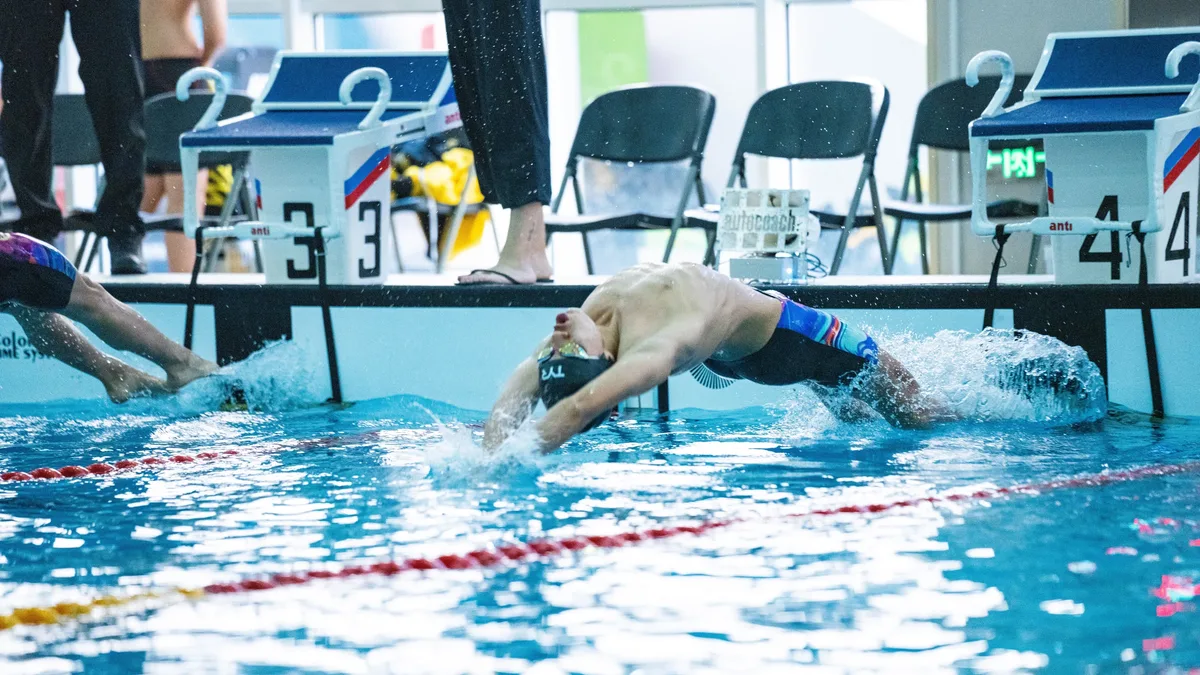
You walk onto the pool deck, mesh bag in hand, greeted by the familiar smell of chlorine and the sound of water splashing against the walls. After stretching on a cap and adjusting goggles, you dive in. That first dive is hard to replace: launching off the block, arms stretched, squeezing your ears between your shoulders, your fingertips slicing the cold water. A few dolphin kicks bring you to the surface.
The first few laps feel nostalgic as you remember your pacing and breathing pattern. Then the main set begins. Suddenly, your arms feel heavier than you remember, as if you are trying to drag yourself through mud. A set that would have felt completely fine a month ago now feels impossible, leading to self-doubt. The hardest part is not diving into the water but rather shaping your mindset.
Rebuilding Confidence
Stepping away is not only a break from flip turns and dives; it is a break from a competitive and disciplined routine. You have to push through difficult sets, and while your body may or may not be ready, your mind also needs time to get back into the routine.
One of the simplest tools to ease this transition is setting goals. Instead of walking into that first practice expecting to immediately feel as strong as you did at the end of last season, focus on something you can control. Even something as small as having a tight kick or not breathing on your first stroke off the wall can be a good goal. This gives your mind something else to consider rather than focusing on how far away you feel from your best.
Setting specific and challenging goals has been proven to improve motivation and performance, as shown in research by Locke and Latham.
Remember Why
When you arrive at that first practice back, remember why you swim in the first place. After a break, it is easy to focus only on the hard parts like difficult sets, soreness, early mornings, or long practices. But swimming is more than this. Maybe you love to race, love being on a team, or simply love being in the water. Whatever your reason, focusing on it can help make the transition back much easier.
The author shares from experience that the first week back brought an overwhelming sense of difficulty, questioning how to make it through the whole season. But that week also reminded them why they swim.
The Small Things That Help
Fuel for the sport often comes from small, overlooked moments. These include trying to get teammates to dance in between sets, coming up with silly inside jokes while resting on the walls, or during drylands where you huddle around and tell your coach all the "tea" while stretching. These moments are easy to overlook when you are staring at the clock wondering how many laps are left, but sometimes they are exactly what get you through the worst practices.
Practices will be hard, you will be sore, and you will face mental hurdles. But somewhere between brutal sets and pool deck laughter, the mindset begins to shift. Swimmers stop focusing on how hard it is to be back and start realizing they are ready for the season.