NCAA Allows Underwater Finishes, Coaches See Limited Impact
The NCAA has approved a rule change allowing swimmers to submerge for the final five meters of a race, but top college coaches doubt it will be widely
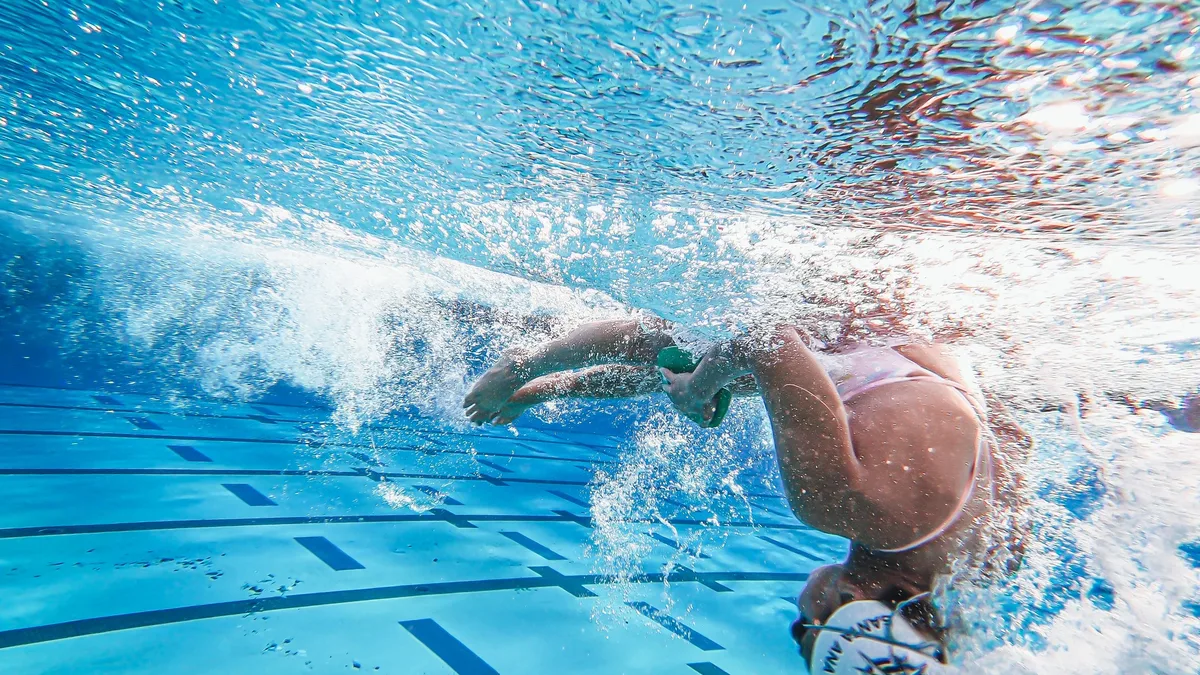
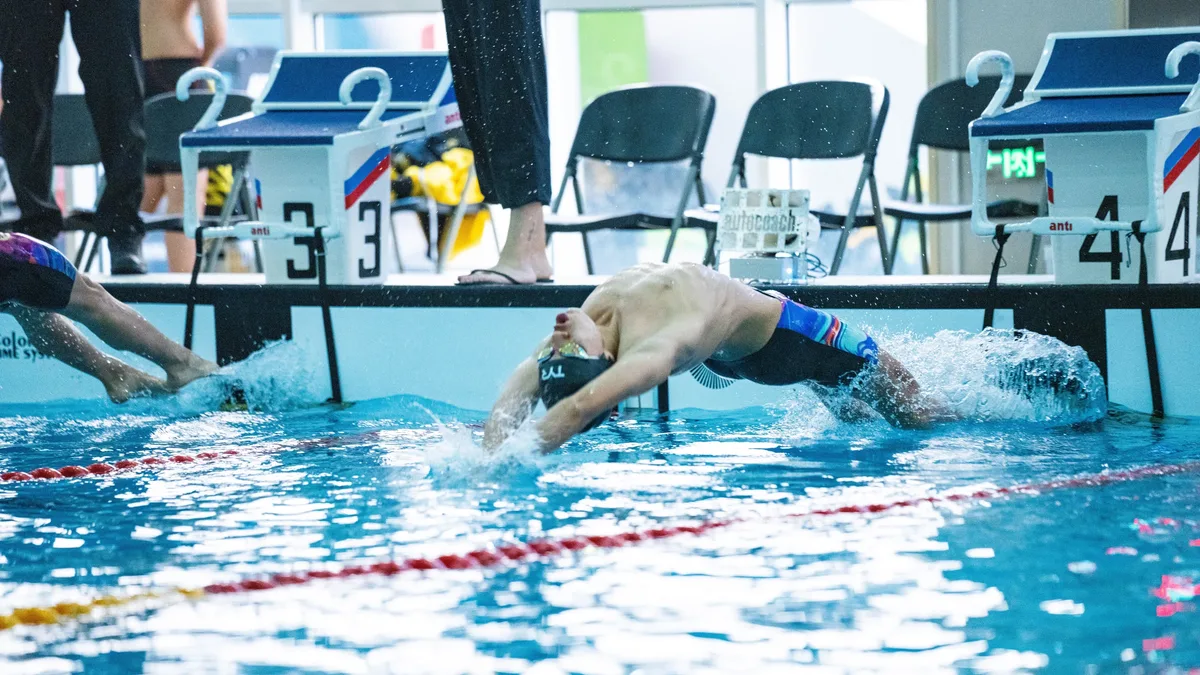
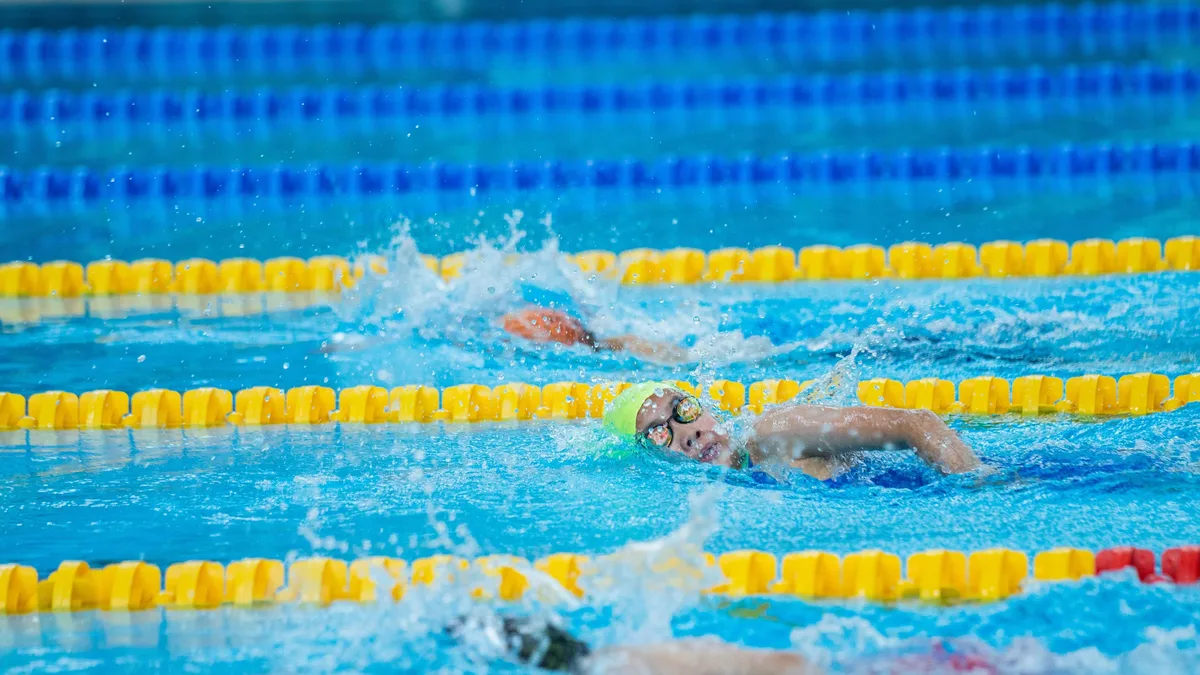
The NCAA will permit swimmers to submerge underwater for the final five meters of a race starting in the 2026-27 season. The new bylaw, announced in August, applies to all strokes except breaststroke once any part of the swimmer's head passes the five-meter mark.
Both World Aquatics and USA Swimming already have similar rules, but the technique has seen little use in major competitions. All finalists in butterfly and freestyle events at this summer's Pan Pacific Championships and U.S. Nationals finished on the surface. Indiana coach Ray Looze expressed widespread unfamiliarity, stating, "I'm always open-minded, but this just isn't something that I've seen at any level."
Rule Aims for Clarity, Not Revolution
Coaches believe the primary goal is officiating clarity. The change aims to eliminate subjective disqualifications for swimmers who submerge slightly early while reaching for the wall. Mickey Wender, head coach at Division II Colorado Mesa, suggested the rule is intended to "make things clearer for the officials." This mirrors a World Aquatics rule change made after Justin Ress's controversial backstroke disqualification in 2021.
However, coaches note that even the existing allowance for a five-meter underwater kick on backstroke finishes has not been widely adopted. USC coach Lea Maurer observed, "We've had people try to use it, but none fall in love with it." The consensus is that the new finish option will not drastically alter the college swimming landscape. Ray Looze summed up the prevailing view: "I just don't see this being something someone is going to test (in a race)."
Butterfly Identified as Potential Fit
While skeptical of broad impact, some coaches see potential for the technique in butterfly events. The mechanics of the stroke make a submerged transition more natural. Lea Maurer noted, "We've definitely had more butterflyers intrigued by the rule change (than freestylers)."
Gregg Parini, head coach for Division III national champion Denison, agreed. He highlighted the difficulty of achieving a simplify position with one arm in freestyle and backstroke, whereas in butterfly, "both arms enter at the same time." Parini is particularly interested in experimenting with the finish for the grueling 200-meter butterfly. "The last five meters of that race are basically just survival," he said. "I know of a few 200 flyers who would really benefit from leaning into their kick as an advantage."
A Niche for Elite Underwater Kickers
Coaches uniformly stated that successfully use an underwater finish would require exceptional underwater kicking ability. Ray Looze was direct: "You'd have to be an exceptionally good underwater kicker to make this work."
Gregg Parini pointed to elite swimmers like Arizona State's Ilya Kharun, known for his dynamic underwater dolphin kicks, as the type who might explore the technique. "You have to wonder what this might mean for a swimmer like him in a 50 fly," Parini said. The coming seasons will serve as a testing ground, but coaches expect adoption to be limited to a select few. Lea Maurer concluded that while there is "certainly merit to this being explored," the swimming community has "plenty of time to investigate it."