Swimmers Build Mental Toughness on Bad Training Days
A new article defines mental toughness in swimming as the ability to retain psychological control during poor practices, citing strategies from elite
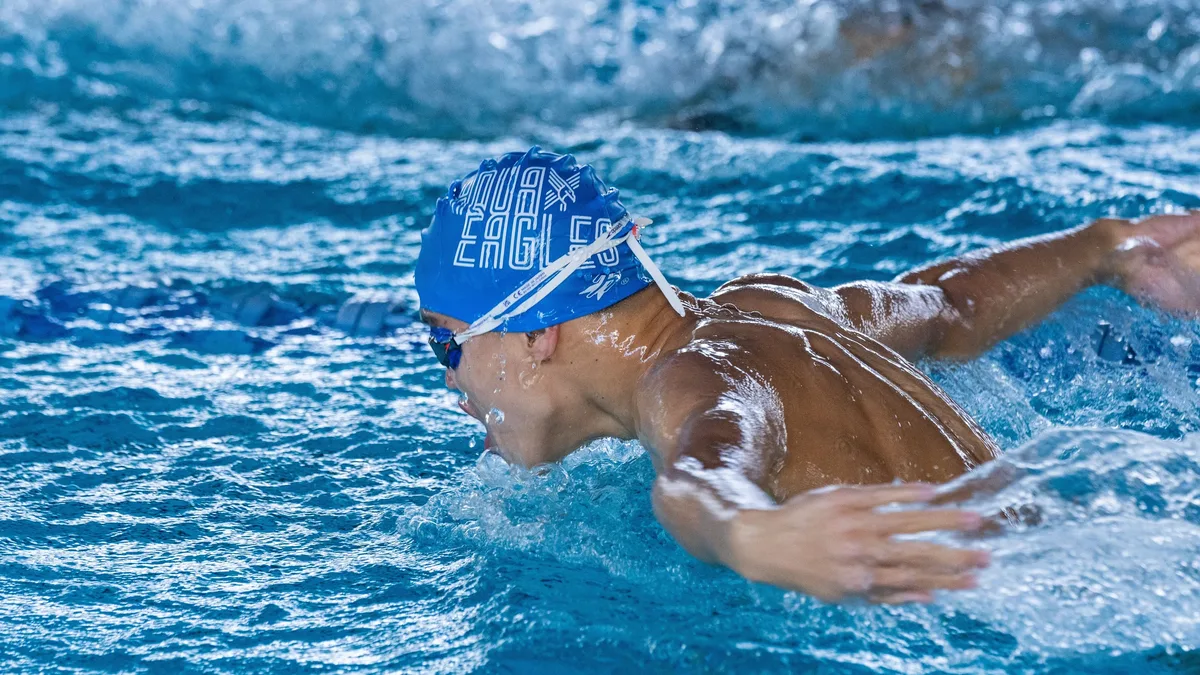
Mental toughness for swimmers is best demonstrated not during peak performances, but on difficult training days. According to an article on SwimSwam by former national-level swimmer Olivier Poirier-Leroy, this resilience is the key differentiator in coping with the sport's demands.
Defining Mental Toughness
Researchers have long sought to define the specific behaviors of mentally tough swimmers. A 2012 study surveyed 13 elite American swimming coaches, who listed common traits like staying focused, knowing when to switch intensity on and off, embracing hard work, and performing under pressure. However, one critical action stood out: retaining psychological control on poor training days.
This concept moves beyond general grit. It is the active choice to persist and adapt when a practice session is not going well. Instead of viewing a bad day as a write-off, mentally tough swimmers find a way to keep progressing toward their long-term goals.
Strategies from Elite Swimmers
Top athletes exemplify this approach by identifying specific, controllable elements to improve, even during subpar sessions. Olympic champion Caeleb Dressel has a concrete method for such days. He said, "If I’m doing super bad that day, I can at any point do five kicks off every wall."
Similarly, multiple Olympic gold medalist Katie Ledecky adopts a constructive mindset. She focuses on extracting a positive element, such as technique work, from sessions where she is not feeling her best. Ledecky stated, "I try to make the good days great and take something positive from the days I’m not feeling good-work on technique or something like that."
Applying the Mindset Shift
The core of this mental skill is a simple but powerful reframing. The reaction shifts from "practice is ruined" to "how can I still get better today?" This mindset is less dramatic than pushing through an exhausting set or staying calm in a major final, but it is foundational for handling adversity.
It teaches swimmers to latch onto the aspects of their performance they can control, ensuring they continue moving forward despite inevitable setbacks. This daily application builds the resilience that translates to competitive success.
A Structured Guide for Coaches
For coaches seeking a systematic way to develop this team-wide, Poirier-Leroy promotes his book, Conquer the Pool: The Swimmer’s Ultimate Guide to a High-Performance Mindset. The author, a two-time Olympic Trials qualifier, states the book provides a practical blueprint. It combines sport psychology research, guided worksheets, and lessons from Olympic champions to integrate mental training into daily swim routines.
The guide aims to help swimmers build confidence, set better goals, focus on process, rebound from setbacks, and perform under pressure. Team order information is available through the SwimSwam article.