College Natatorium Preseason Checklist
College aquatics staff should inspect pools, equipment, and safety procedures before the season to ensure a safe environment for training and meets.
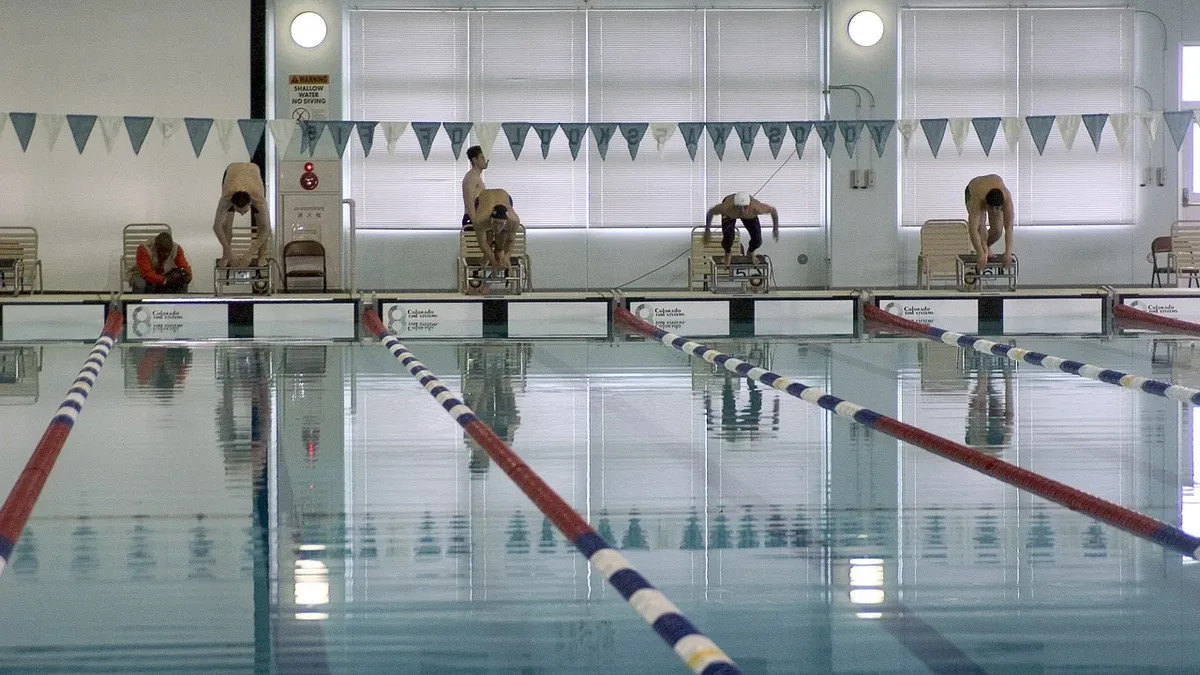
The college swimming season approaches, and its success depends on preseason preparation by aquatics directors, facility managers, and coaches. A proactive plan is essential to minimize disruptions and focus on athlete performance, according to a checklist from SwimSwam partner Competitor.
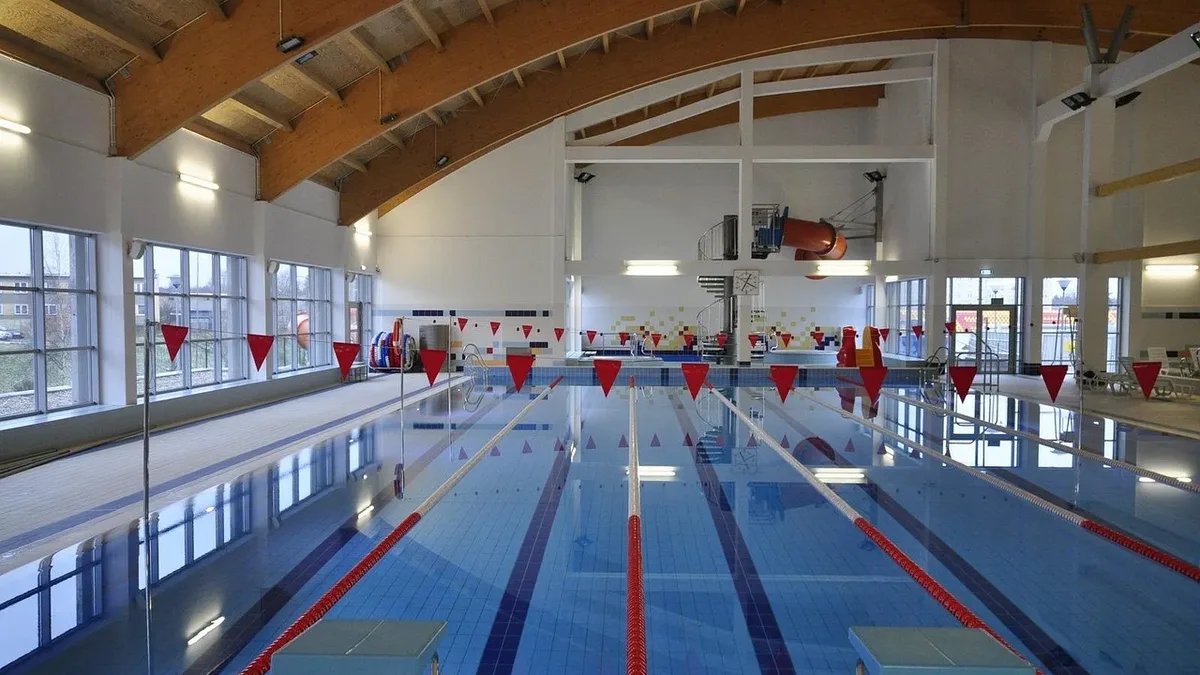
Before athletes return, staff must evaluate the entire competition environment. This includes checking water conditions, lane configuration, starting equipment, timing visibility, safety markers, and storage systems. A preseason checklist provides time to repair or order essential gear before the pressure of practices and meets mounts.
Confirm Pool Conditions That Support Competition
Pool depth is critical, especially at the starting end. Minimum depth requirements for starting blocks vary by governing body. World Aquatics, for instance, mandates a minimum depth of 1.35 meters from 1 to at least 6 meters from the end wall. Staff should verify that depth markings are visible and that their setup meets all relevant rules.
Water temperature must be maintained within a specific range. Competition pools are generally kept between 25°C and 28°C (77°F to 82°F). This balances athlete comfort with facility operations. Temperature checks should be part of daily opening procedures, especially during weather changes.
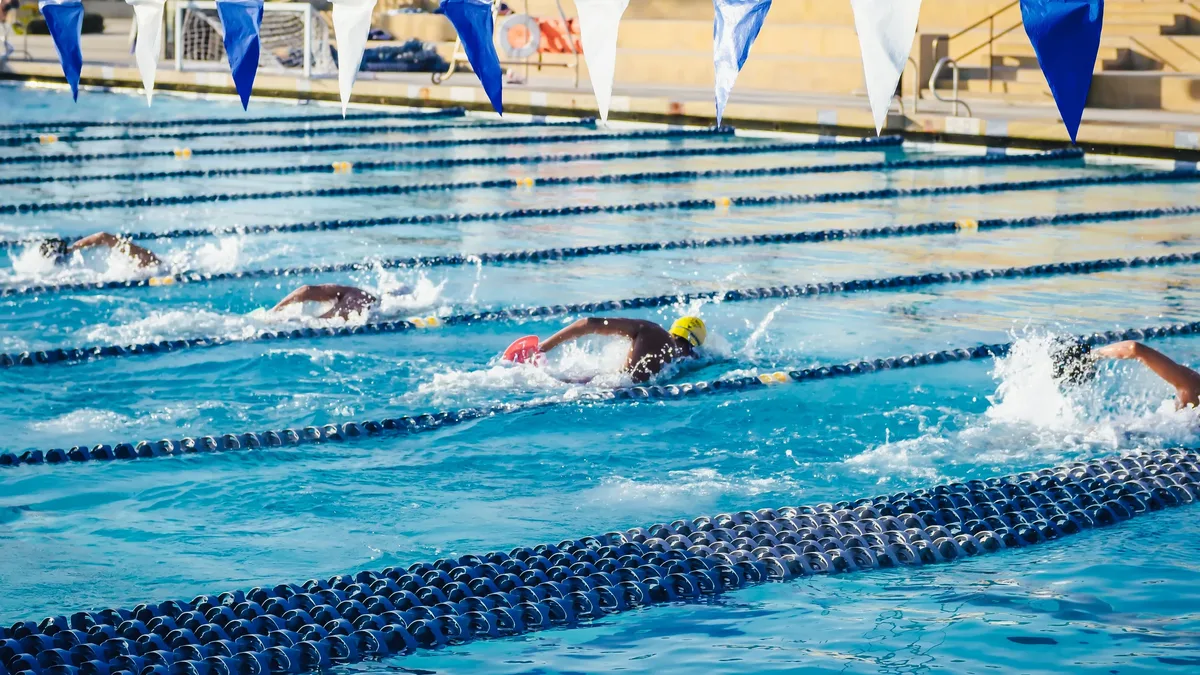
Lane width and lane-line performance help control waves. World Aquatics guidance calls for lanes at least 2.5 meters wide, with extra buffer space outside outer lanes. Simple checks include ensuring lane lines are centered, properly tensioned, and that anchors are secure. Gutters should be clear and functional.
Inspect Competition Equipment Before Athletes Return
All competition equipment requires inspection before the first official practice. Testing should be done from the swimmer's, coach's, and official's perspectives. A worn lane line or a loose starting block creates problems best solved in the preseason.
Lane lines and their anchors need close examination. Inspect for cracked discs, worn rope, faded colors, and damaged fittings. The entire system, including tensioning devices and storage reels, must be in working order for proper performance.
Starting blocks must provide a stable platform. Check for loose hardware, damaged surfaces, worn non-slip material, and any movement. The inspection should also cover block height, wedge function, backstroke-start hardware, and required warning signage.
Backstroke flags offer a crucial visual cue. For World Aquatics-governed competitions, flags should be placed 5 meters from each end wall and suspended 1.8 to 2.5 meters above the water. Ensure they are correctly positioned, securely mounted, and free from wear.
Create a Clear Safety and Storage Routine
Preseason prep extends beyond the water to the deck, equipment, and procedures. Staff should check drains, grates, and deck surfaces for hazards. They must confirm emergency equipment is accessible and up to date. Procedures should be reviewed with lifeguards, coaches, and meet personnel. A record of all repairs and equipment taken out of service is advised.
Proper equipment storage protects the investment and aids efficient pool turnover. Lane-line storage reels should support an organized process. Reels must move smoothly, and staff should know how to use them safely to prevent damage to the lines.
Bring Your Team Identity into the Natatorium
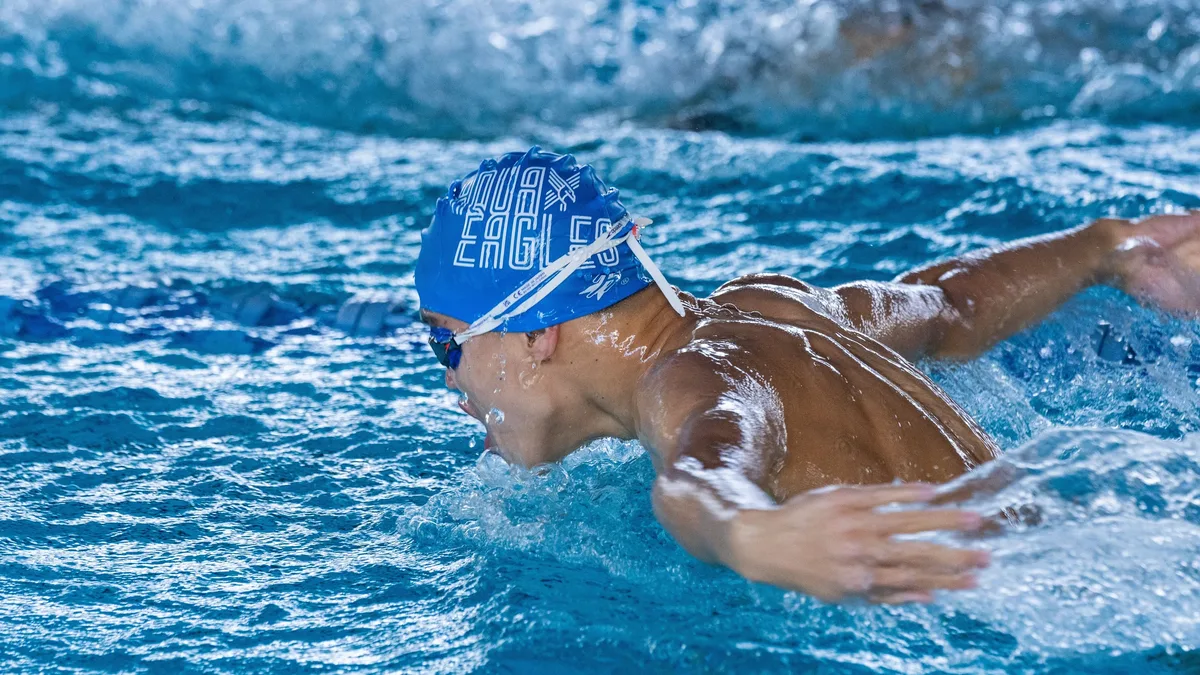
Custom equipment can make a collegiate natatorium feel like a home venue. Team colors, logos, and facility branding create a cohesive experience for athletes and spectators. However, branding must support function. Equipment still needs to be visible, durable, and appropriate for competition.
Practical branding options include custom lane lines in school colors, backstroke flags with lettering or logos, branded storage reels, and facility-name graphics. Competitor Swim offers online tools like the Lane Wizard and Flag Wizard to design and order such customized equipment.