Study: Force, Velocity Key to Sprint Speed
A 2026 study of high-performance sprinters, including Olympians, finds that semi-tethered resisted swimming, which combines force and velocity, better predicts 50m sprint speed than pure strength tests.
Sprint swimming speed is not solely about raw strength, but the ability to generate force while moving at high velocity, according to a new study. The research suggests the ability to generate force while moving at high velocity is a more critical factor for fast times. Sprint speed can be tough to nail because it's often approached purely as a strength problem, with a focus on maxing out strength in the weight room or with chutes, power towers, and resistance tubing. But sprint swim speed is more than just maximum strength; it's being able to generate a lot of force while moving at extremely high velocity.
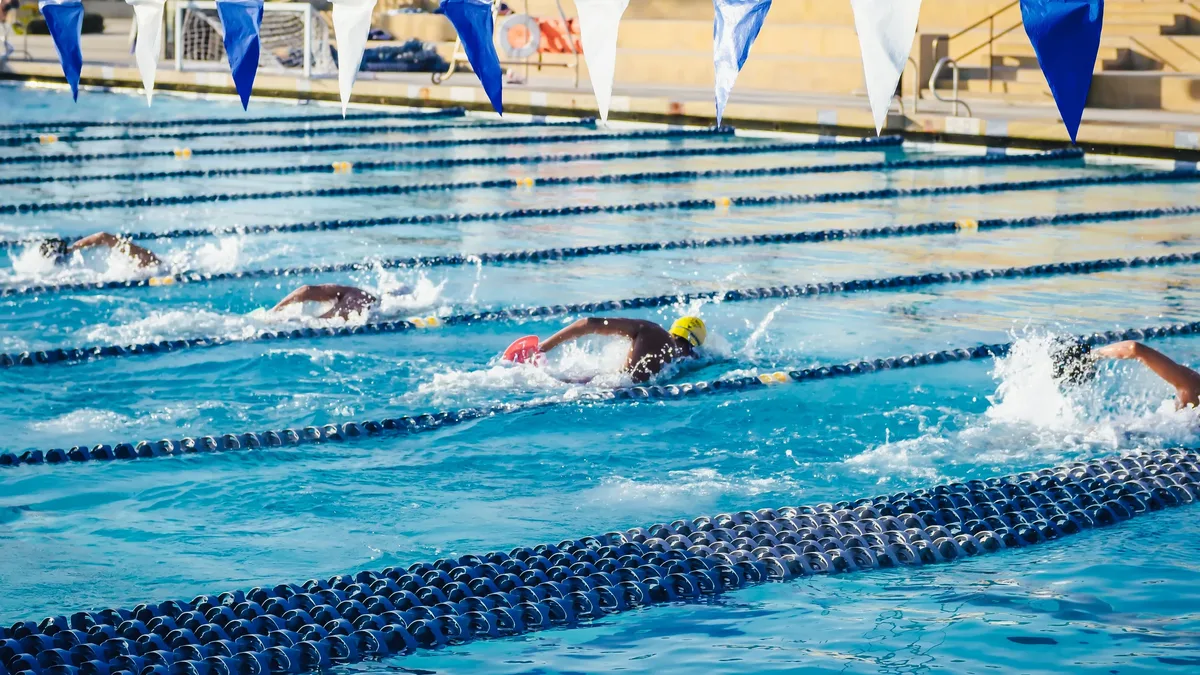
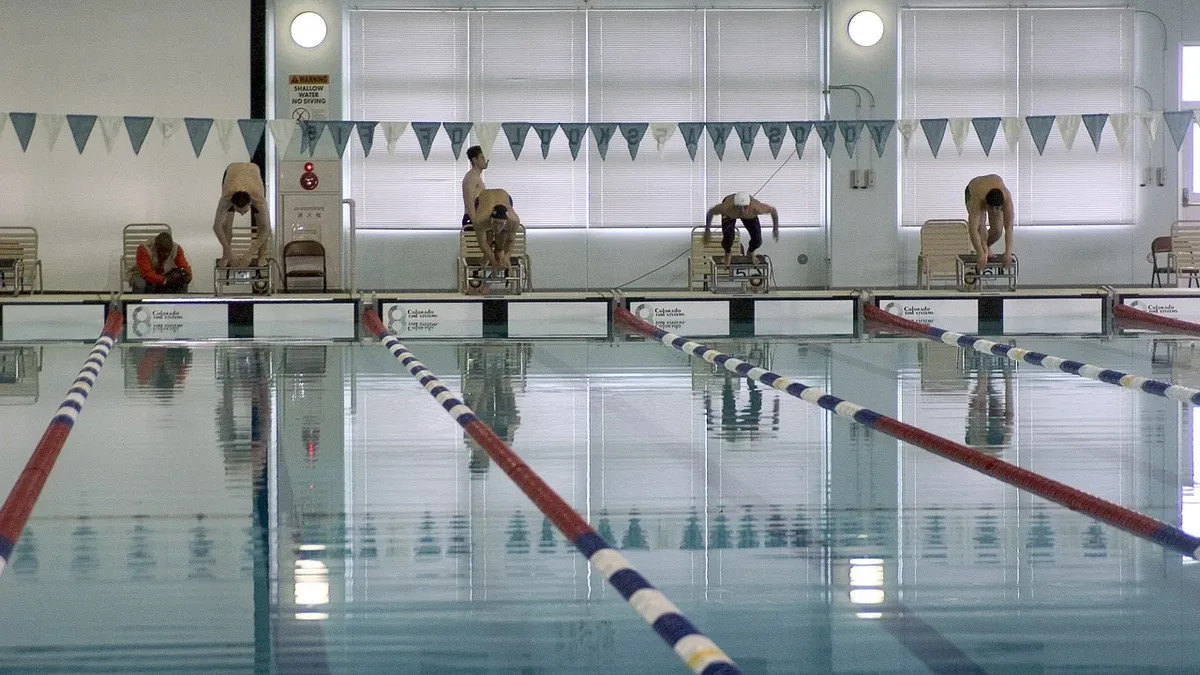
A 2026 study by Keating et al., cited by former national swimmer Olivier Poirier-Leroy, investigated this dynamic with a group of high-performance sprint specialists. Half of the participants had competed at the Paris Olympics. The swimmers performed a 50-meter time trial alongside two types of resisted sprint tests: a fully tethered sprint in place for 20 seconds, and a semi-tethered 10-meter sprint against progressively increasing resistance.
Maximum Force vs. Usable Force
The study's results indicated a clear distinction between maximum force and force that translates to speed. The semi-tethered condition, where swimmers had to move forward against load, showed a closer relationship to actual 50m sprint speed. Perhaps surprisingly, the fully tethered test, which seems more specific to pure force, did not significantly predict swimming speed. The combination of force and velocity was the better indicator.
Turning Force into Sprint Swimming Speed
Poirier-Leroy explains the practical difference between the test conditions. When swimmers are fully tethered, they aren't going anywhere. Forward motion disappears, the usual drag conditions change, and the way the water moves around them changes. In the semi-tethered method, swimmers have to overcome the load while also moving forward through the pool, which preserves more of the actual mechanics of sprinting. The central question becomes: how well can a swimmer demonstrate strength while actually moving through the water at speed?
This insight leads to tailored training recommendations. For swimmers who can swim hard against lots of resistance but struggle with higher end velocity, the advice is to add some lighter-load resisted sprinting and assisted sprint work. Conversely, swimmers with lots of velocity but comparatively low force capacity should sprinkle in more higher-load resisted swimming and strength work. Identifying one's tendency on this force spectrum can help more smartly approach sprint training, even without access to specialized load-velocity testing equipment.
Wrapping Things Up
Sprint swimmers are always on the hunt for ways to get stronger and more powerful. Strength still matters big-time for the big lifts in the gym and max resistance work. But at the base of all those efforts should be a simple question: is this helping me build more usable force?
ABOUT OLIVIER POIRIER-LEROY
The analysis is part of a broader discussion by Olivier Poirier-Leroy, a former national level swimmer and two-time Olympic Trials qualifier. He is the author of several swimming books, including his most recent, The 50 Freestyle Blueprint. The 220-plus page book offers evidence-based insights and practical tips for improving freestyle sprint speed, covering stroke rate, technique, kick development, starts, and underwaters. It also includes 20 sprint sets and a bonus guide for mastering the 100 freestyle.