Open Water Swimming Deserves a Bigger Stage
Open water swimming deserves more attention and a bigger stage.
Open water swimming is the marathon of swimming, with thousands of fans drawn to its endurance and unpredictability. According to Summer Finke, a regular contributor to Swimming World, the recent Pan Pacific Championships showcased the excitement of open water swimming, with Australia's Moesha Johnson claiming the title in the women's 10k and Germany's Florian Wellbrock winning the men's race in 1:49:51.
The Unpredictability of Open Water Swimming
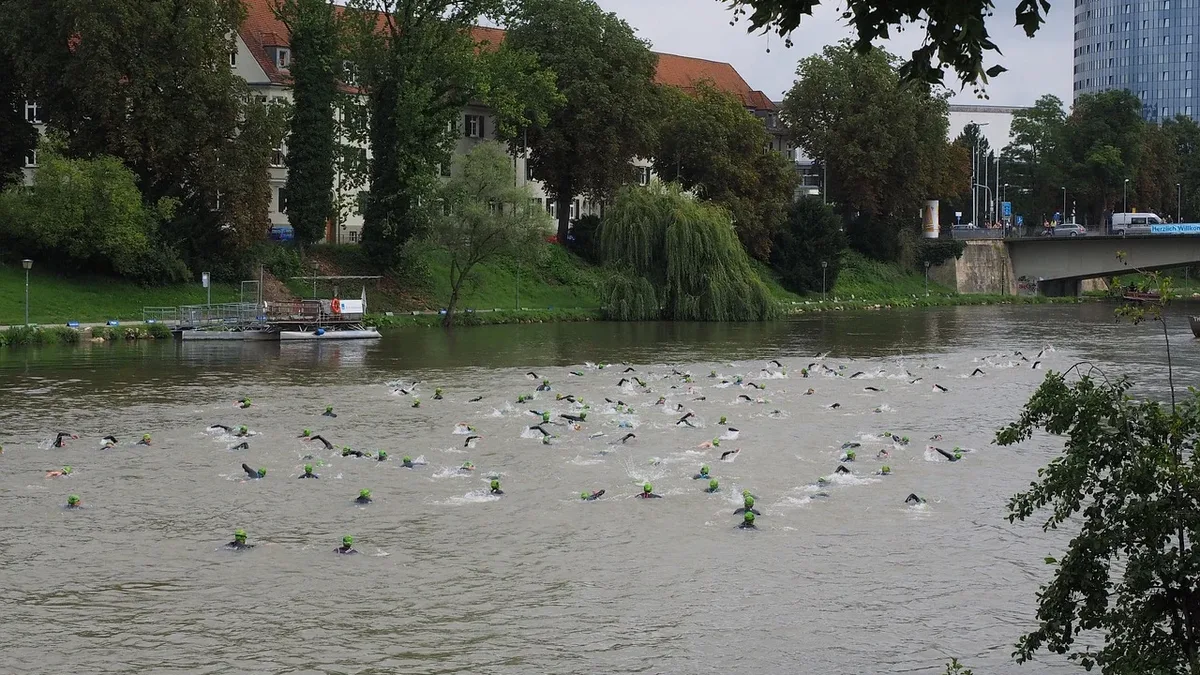
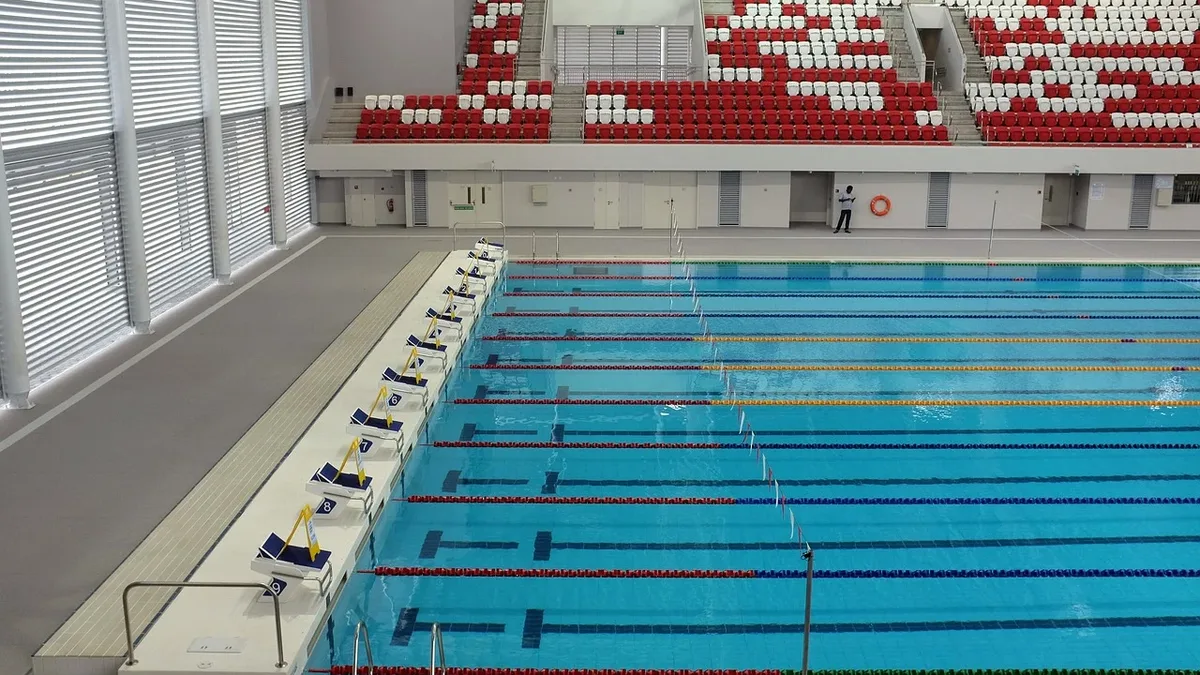
Open water swimming is different from pool swimming, with no lane lines separating competitors and swimmers drafting off one another, battling for position, and navigating buoys. The fastest swimmer on paper is not automatically guaranteed to win, making it a thrilling event to watch. The unpredictability of open water swimming is part of its appeal, with stories developing as the race unfolds, similar to marathon running and road cycling.
The Need for Better Storytelling and Broadcasts
For decades, other endurance sports have shown that longer events can attract passionate audiences when fans understand what they are watching and know the athletes competing. Open water swimming deserves the same investment, with better broadcasts, more storytelling, stronger commentary, and more opportunities for fans to learn the strategy behind the race. This is especially important now, with marathon swimming's place at the 2032 Olympic Games in Brisbane uncertain.
The Importance of Community Support
The swimming community has a responsibility to come together and support open water swimming, with a petition created calling for the discipline to remain part of the 2032 Olympic Games. Signing the petition is just the first step, with fans encouraged to watch the races, share them, learn the names of the athletes, and talk about open water swimming with young swimmers. By giving open water swimming the attention it deserves, the swimming community can make it clear that the athletes who race beyond the lane lines deserve their support and a stage worthy of what they do.
The future of open water swimming is uncertain, but one thing is clear: it deserves a bigger stage and more attention from the swimming community. As Finke notes, open water swimming is part of swimming, and it does not need to compete with pool swimming for its place in the sport. With the support of the swimming community, open water swimming can have a bright future, with its athletes competing on the biggest stage of all - the Olympic Games.