Triathlete illness highlights open water risks
Triathlete Andrew Jones was hospitalized with a Campylobacter infection just before the Ironman World Championship.
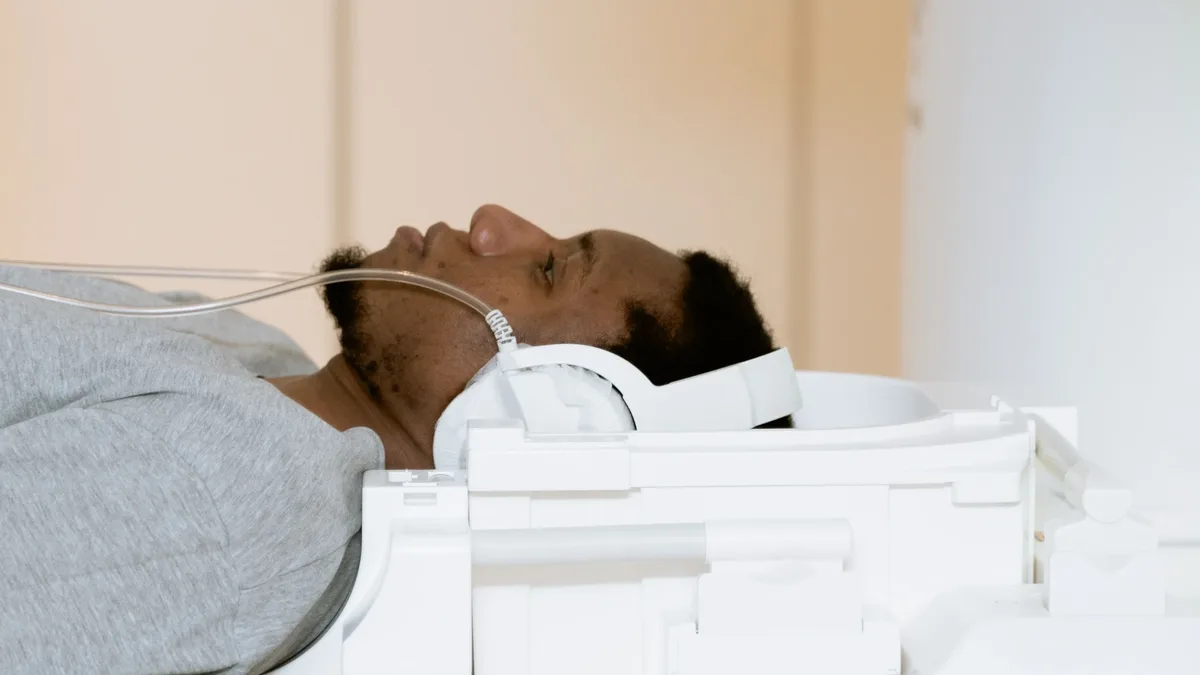
Triathlete Andrew Jones was hospitalized with a Campylobacter infection just over a week before the Ironman World Championship in Kona, Hawaii this month. He had earned a slot in the prestigious race. Jones felt unwell on a Sunday evening with a raised temperature, elevated heart rate, and uncontrollable shaking. He went straight to A&E. "It made me very sick unfortunately," Andrew Jones said. "In the house on a Sunday evening, I felt really unwell."
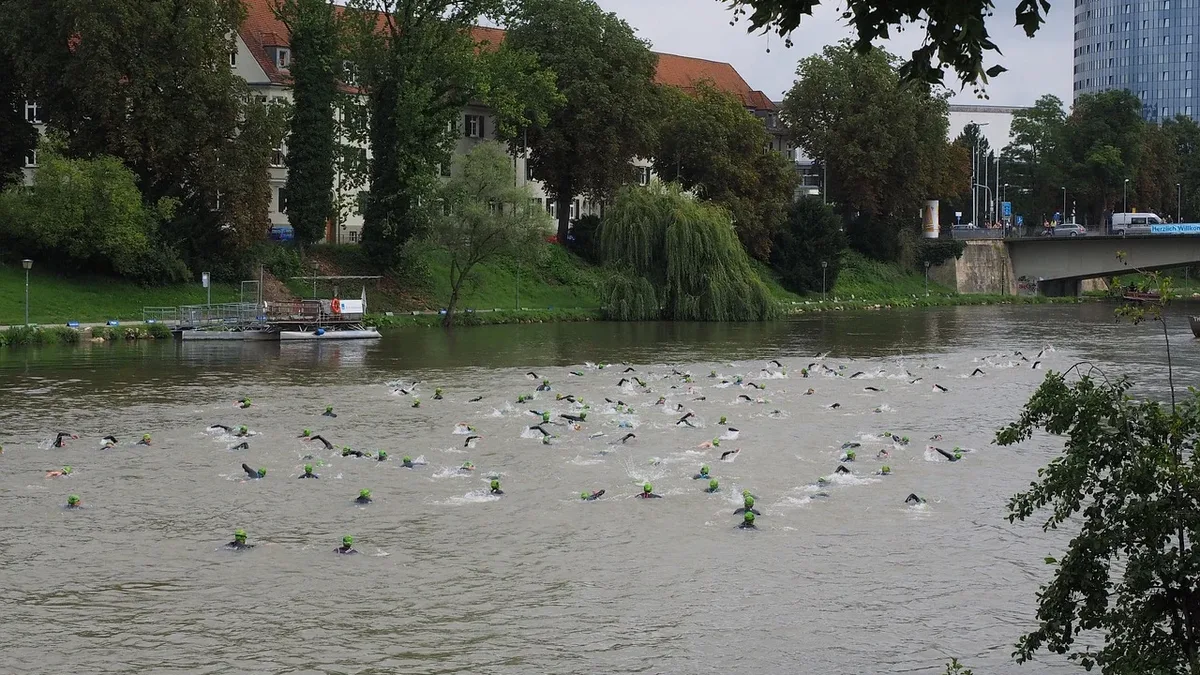
His severe illness has cast a spotlight on the health risks athletes face in open water. A new monitoring initiative in Wales is now working to map those dangers directly from the swim course.
Project reveals water quality risks
Triathlon Cymru runs the Safer Blue Spaces project, the first of its kind. It uses small sampling devices attached to triathletes to test water quality during events. The project is in partnership with Swim Wales, Bangor University, and Imperial College London.
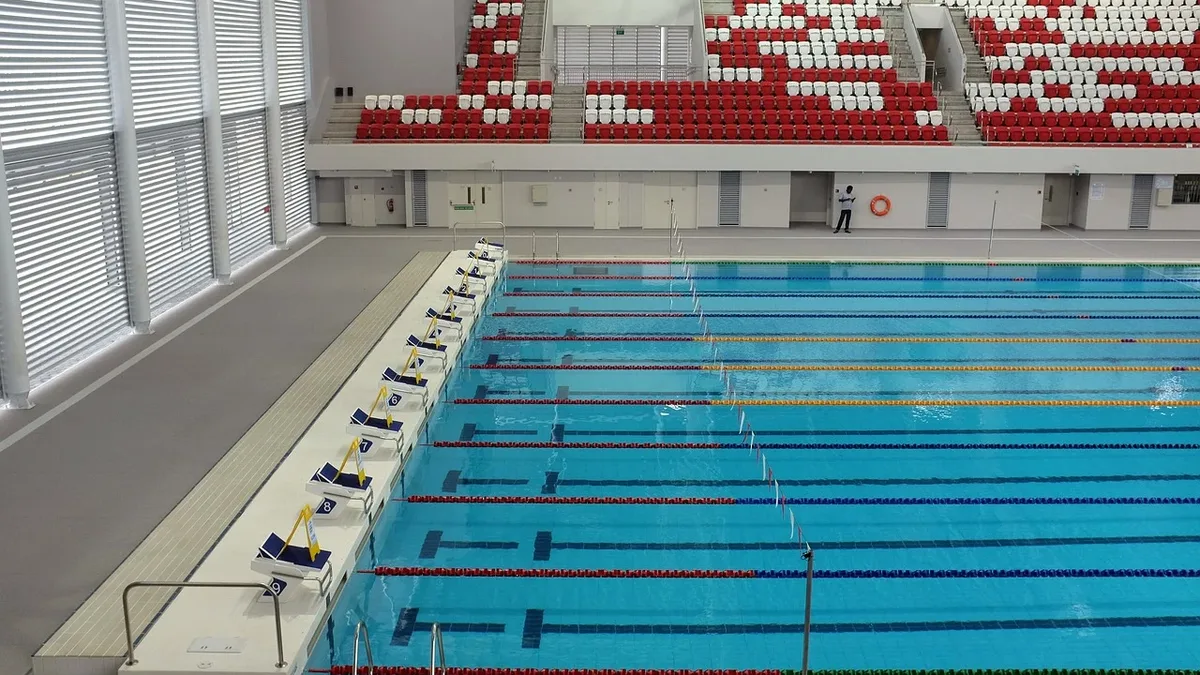
In August, samplers about the size of a fifty-pence piece were attached to the backs of wetsuits of competitors at the Barry SWYD Sprint Triathlon. The devices follow the swimmers' exact route in the water. After the swim, competitors go to the transition area, take off their wetsuits, and continue the race. A technical team then cuts off the sampling devices and sends them to Bangor University for analysis.
PhD student Kate Herridge, who is working on the project, said the next step is to concentrate the water samples and detect if any pathogens have attached to the samplers. Wales hosts roughly 60 triathlon events a year. Traditional sampling methods, where race organizers test water at one or two locations shortly before a race, do not provide such detailed, route-specific data.
Industry and expert response
Organizers and experts emphasize the urgent need for improved water safety following cases like Jones's. Amy Jenner, Triathlon Cymru's head of development, stressed the importance of the monitoring work. For us as an organisation, knowing what's in our water is really important because we're putting athletes in the water, Jenner said.
Simon Webb, who organizes the Barry SWYD Sprint Triathlon, echoed the concern. He said it is important that athletes can swim without the risk of getting ill. The goal of the Safer Blue Spaces project is to improve knowledge of water quality and take steps to improve seas, lakes, and rivers in Wales. Triathlon Cymru hopes to share the collected data with environmental agencies and water companies.
The wearable samplers offer a new level of insight. They were sent to Bangor University for pathogen analysis after being removed post-swim.