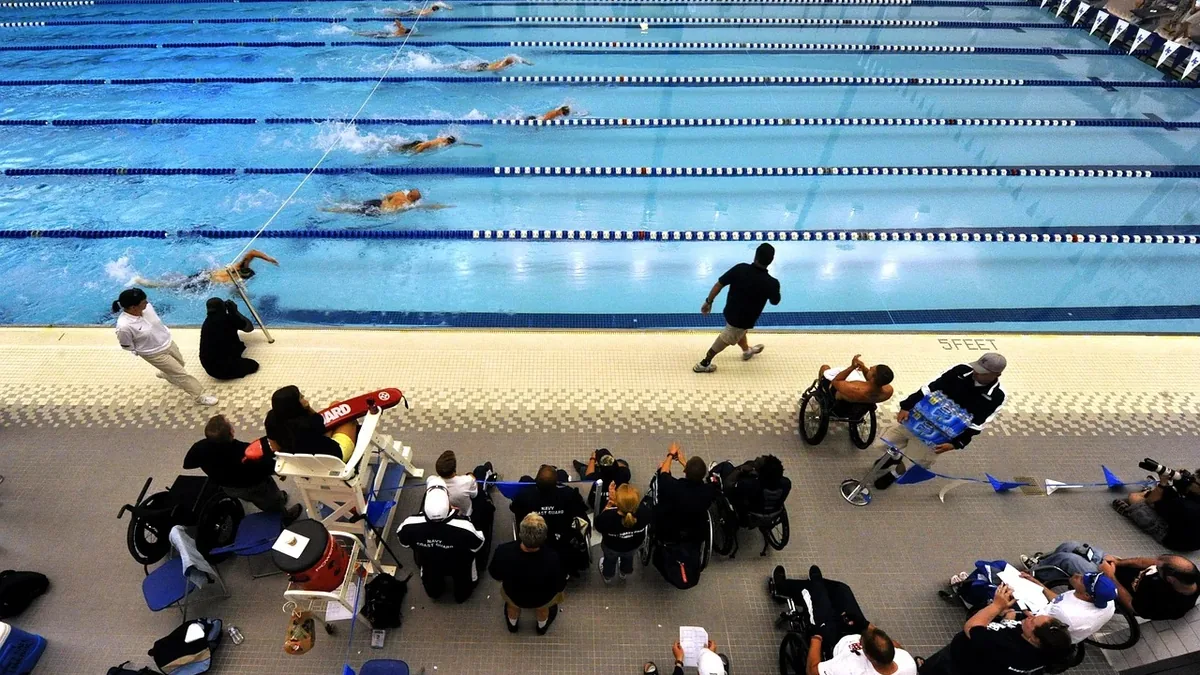
Ymca Nationals
| Official name | YMCA National Gymnastics Championships |
|---|---|
| Governing body | YMCA of the USA (often in partnership with USA Gymnastics) |
| Primary participants | Gymnasts from YMCA-affiliated programs across the United States |
| Competition level | Various, typically encompassing developmental and optional levels |
| Typical season | Summer (often June or July) |
| Venue | Rotates among major cities and venues in the United States |
| Age categories | Multiple, typically including Junior Olympic age divisions |
Overview
YMCA Nationals refers to the national championship competitions organized by the YMCA of the USA for its member associations across various athletic disciplines. These events represent the culmination of seasonal competition for YMCA-affiliated youth and adult athletes in sports such as swimming, gymnastics, and track and field. The competitions are structured to emphasize the YMCA's core values of caring, honesty, respect, and responsibility within an athletic context. Participation is typically restricted to individuals who are members of a local YMCA association and have qualified through regional or state-level meets. The scale of these national events is significant, often drawing thousands of participants from hundreds of local YMCAs to a single host location. The events are managed by YMCA staff and volunteers and are considered a major annual undertaking within the YMCA's programmatic structure.
History
The origin and history of YMCA Nationals is deeply tied to the Young Men's Christian Association's long-standing involvement in athletic development. The YMCA movement began in London, England, in the mid-19th century, with the first YMCA in the United States founded in the 1850s. The organization has been instrumental in the invention and promotion of several sports, including basketball and volleyball. Organized competitive programs for members evolved throughout the 20th century, with national-level championships for activities like swimming emerging in the post-World War II era as the organization expanded. These competitions were formalized to provide a goal for local YMCA athletic programs and to foster a sense of national community among participants. The specific formats and sports offered at the national level have shifted over the decades in response to participation trends and organizational priorities. The historical continuity of these events underscores the YMCA's enduring commitment to fostering healthy spirit, mind, and body through structured physical activity.
How it works today
Today, YMCA Nationals operates as a series of distinct national championship events for different sports, each with its own governing rules and qualification procedures. The most prominent and long-standing of these is the YMCA Short Course National Swimming and Diving Championship, typically held in the spring. Athletes must first compete in their local YMCA programs and achieve qualifying times or scores at designated state or regional championship meets to earn an invitation. The events are hosted at major aquatic or sports facilities, often in cities with strong YMCA affiliations, and span several days of preliminary and final sessions. Competition is divided by age group and gender, with events adhering to standard USA Swimming or relevant national governing body rules, albeit exclusively for YMCA members. Operational logistics, including officiating, timing, and awards, are managed by a combination of YMCA national staff, local organizing committees, and certified volunteers from participating associations.
What to know
Prospective participants and their families should know that YMCA Nationals is not an open invitational but requires direct qualification through the YMCA league system. Membership in a local YMCA association is mandatory, and athletes typically must represent that specific YMCA in all qualifying and national competitions. The atmosphere is often noted for being spirited yet less intense than some USA Swimming or club-focused national meets, aligning with the YMCA's character-building mission. Travel and accommodation for the event are the responsibility of the participant and their family, with the host YMCA usually providing room blocks but not covering costs. Coaches and chaperones from the local YMCA are required to attend with their teams, providing supervision and support throughout the competition. It is also important to understand that while the competition is high-level, the primary stated objective remains personal development through sportsmanship and effort rather than solely winning.
Common questions
A common question is whether YMCA Nationals is considered a prestigious or highly competitive event, and the answer is that it is a significant and competitive championship within the specific context of YMCA athletics. People often ask about the relationship between YMCA swimming and USA Swimming, and while many YMCA swimmers also compete in USA Swimming meets, the YMCA national championship is a separate parallel circuit. Another frequent inquiry concerns the age range for participants, which varies by sport but in swimming typically includes categories from 12-and-under to senior levels for young adults. Many wonder if the qualifying times are comparable to other national championship meets, and they are generally slower than those for USA Swimming's Junior Nationals but require dedicated training to achieve. Questions also arise about the cost, which involves seasonal YMCA membership fees, program fees, and the significant travel expense for the national event itself. Finally, families often ask about the spectator experience, which is generally welcoming and well-organized, with extensive heat sheets and results available.
Why it matters
YMCA Nationals matters because it provides a unique competitive platform that aligns with the YMCA's holistic mission, emphasizing personal achievement alongside community values. It offers a national championship goal for thousands of young athletes who train primarily within community-based, non-profit YMCA programs rather than elite private clubs. The event reinforces a distinct athletic culture that prioritizes team spirit, mutual respect, and inclusive participation over purely individual accomplishment. It serves as a major annual gathering that strengthens the network of YMCA associations and volunteers across the country, fostering a shared sense of purpose. For many participants, it represents the pinnacle of their athletic involvement with the YMCA and creates lasting memories of competition and camaraderie. The continuation of these championships also preserves the YMCA's historical role as a foundational institution in the development of amateur sports in the United States.
Common misconceptions
A common misconception is that YMCA Nationals is a beginner or recreational-level event, when in fact the qualifying standards demand a high degree of skill and dedicated training to achieve. Some believe the competition is only for swimming, while nationals also exist for other sports like gymnastics, though swimming is the most widely recognized. Another misconception is that these meets operate under different or less stringent rules than other national championships, but they generally adopt the standard rules of the sport's national governing body for competition procedures. People sometimes assume participation is open to any YMCA member, not understanding the strict qualification pathway through local and regional competitions that is required. There is also a mistaken belief that the YMCA circuit is entirely separate from the broader competitive swimming landscape, when in fact many athletes and coaches operate in both realms simultaneously. Finally, some may think the event is funded and organized entirely by the national YMCA office, when it relies heavily on the volunteer and staff resources of local host associations.
Latest Ymca Nationals news
Latest reporting
YOTA Restructures, Moves On From Coach Jamie Bloom
The YMCA of the Triangle Area swim team has parted ways with longtime coach Jamie Bloom and is consolidating its Senior 1 groups, a move that has
Junior Nationals Qualifier Caleb Asebrook Verbals To Queens
Caleb Asebrook, a Junior Nationals qualifier from Tennessee, has verbally committed to swim for Queens University Charlotte starting in fall 2027.
Ali Sadri Verbally Commits To George Washington Swimming
Junior Nationals qualifier Ali Sadri has announced her verbal commitment to swim for George Washington University starting in fall 2027.
Dmitriy Oranskiy Verbally Commits to UNC Swimming
Junior Nationals finalist Dmitriy Oranskiy has announced his verbal commitment to swim for the University of North Carolina starting in fall 2027.

Junior Nationals Qualifier Sienna Ramirez Commits to University of Denver
Rising senior Sienna Ramirez has announced her verbal commitment to swim and study at the University of Denver beginning in the fall of 2027.