Mental Skills And Race Preparation
| Event Name | Mental Skills And Race Preparation |
|---|---|
| Event Type | Training seminar / workshop |
| Primary Audience | Endurance athletes |
| Typical Duration | 2 to -3 hours |
| Core Topics | Pre-race routines, focus strategies, managing anxiety |
| Typical Format | Lecture with Q&A, practical exercises |
| Prerequisites | None (open to all levels) |
| Provider Type | Independent coaching service |
Overview
Mental Skills and Race Preparation refers to the systematic psychological training and strategic planning undertaken by endurance athletes prior to competition. It is a distinct discipline within sports psychology focused specifically on optimizing performance for a single target event. The practice involves developing cognitive routines, managing arousal levels, and rehearsing race-day scenarios to enhance execution under pressure. It is considered a critical component of a complete training regimen, complementing physical and nutritional preparation. The field draws from established psychological principles, including goal-setting, self-talk regulation, and attentional control. Its application is most prevalent in individual endurance sports such as marathon running, triathlon, and cycling, where mental fortitude significantly influences outcomes.
History
The formalized practice of Mental Skills and Race Preparation emerged in the late 20th century, primarily in North America and Western Europe. Its development paralleled the increasing professionalism and scientific approach to endurance sports training during the 1970s and 1980s. Early adoption was driven by pioneering sports psychologists who began working directly with Olympic athletes and coaches. The discipline evolved from broader sports psychology concepts, applying them to the specific, prolonged stress of race day. Historical documentation shows its principles were initially used anecdotally by elite competitors before becoming a standardized component of coaching curricula. The integration of mental preparation into mainstream training plans became more common from the 1990s onward as empirical evidence for its efficacy grew.
How it works today
Contemporary Mental Skills and Race Preparation is a multi-phase process typically integrated into an athlete's training plan over the final 8-12 weeks before a key event. It begins with a thorough assessment of an athlete's psychological strengths, weaknesses, and past race experiences. A standard protocol includes the development of a detailed race plan outlining pacing, nutrition, and contingency strategies for various course conditions. Athletes routinely practice visualization techniques, mentally rehearsing the entire event from start to finish, including potential problems. They also engage in cognitive-behavioral exercises to build productive self-talk and reframe negative thoughts. The final stage involves creating pre-race and in-race routines to automate decision-making and conserve mental energy, culminating in a structured taper period that includes psychological rest.
What to know
Athletes should understand that effective mental preparation requires consistent practice, not a one-time activity performed the night before the race. A common mistake is creating an overly rigid race plan that cannot adapt to unexpected conditions like weather or equipment failure, leading to panic. The process demands significant time investment, often involving daily dedicated sessions of visualization or mindfulness, which some athletes may find tedious. It is most effective when personalized; a strategy that works for one individual may be counterproductive for another based on personality and experience. Novice athletes frequently underestimate the importance of rehearsing their nutritional and hydration plan under race-intensity conditions, which is a core part of mental readiness. Coaches and sports psychologists emphasize that mental skills do not replace fitness but allow an athlete to fully access their physical training on race day.
Common questions
What is the difference between general sports psychology and race-specific mental preparation? Race preparation is an applied subset, focusing solely on the concrete steps and cognitive strategies for a single event. How long before a race should one start dedicated mental preparation? Most protocols recommend initiating structured mental skills training at least two months prior, aligning with the peak physical training phase. Can mental preparation compensate for inadequate physical training? It cannot; its primary function is to optimize the expression of existing fitness and mitigate performance-degrading psychological factors. Is working with a sports psychologist necessary for effective preparation? While beneficial, many athletes successfully use self-guided frameworks from reputable coaching sources or books. What is the most frequently neglected aspect of mental preparation? Athletes often neglect to plan for the mid-race mental low point, failing to develop specific cognitive tools to navigate it. How does mental preparation differ for a novice versus an experienced competitor? Novices focus more on anxiety management and finishing, while veterans refine focus, pace judgment, and tactical decision-making.
Why it matters
Mental Skills and Race Preparation matters because endurance events are ultimately decided by an athlete's ability to manage discomfort, maintain focus, and execute a plan under cumulative stress. Physical fitness alone does not guarantee peak performance if an athlete is derailed by negative thoughts, poor pacing decisions, or unexpected events. Systematic preparation reduces cognitive load on race day by making key actions routine, freeing mental resources for problem-solving. It directly addresses the common phenomenon of "race-day nerves," providing tools to channel anxiety into enhanced alertness rather than debilitating fear. For many athletes, the process builds confidence, providing evidence-based reassurance that they are fully prepared. In competitive fields, where physical capabilities are often closely matched, superior mental preparation frequently constitutes the decisive performance advantage.
Common misconceptions
A prevalent misconception is that mental preparation is only for athletes who lack mental toughness or are prone to anxiety; in reality, even the most resilient competitors use structured techniques to optimize performance. Another error is viewing visualization as mere positive thinking; effective visualization is a detailed, multi-sensory rehearsal that includes encountering and overcoming obstacles. Some believe these skills are innate and cannot be trained, contradicting decades of evidence showing that cognitive strategies are highly trainable like physical attributes. There is also a misconception that race preparation is solely about the event itself, ignoring the critical importance of pre-race routines for travel, sleep, and warm-up. Many assume a single session with a psychologist close to the race is sufficient, whereas integration throughout the training cycle is required for robust results. Finally, a dangerous misconception is that a perfect mental plan eliminates all race-day suffering, when its true purpose is to provide a framework for managing inevitable adversity.
Latest Mental Skills And Race Preparation news
Latest reporting
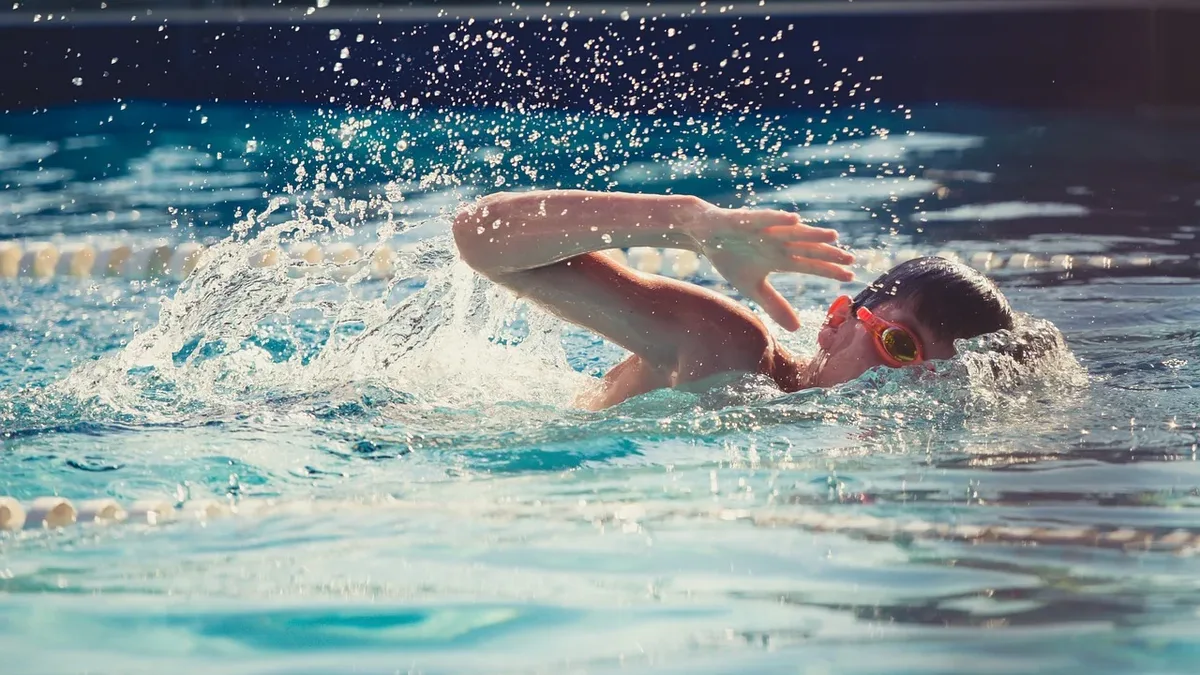
Cameron McEvoy to Race 100 Free at Silk Road World Cup
World record holder Cameron McEvoy will test his 100m freestyle at the Silk Road World Cup Tour next month, aiming for a relay spot at the Short...
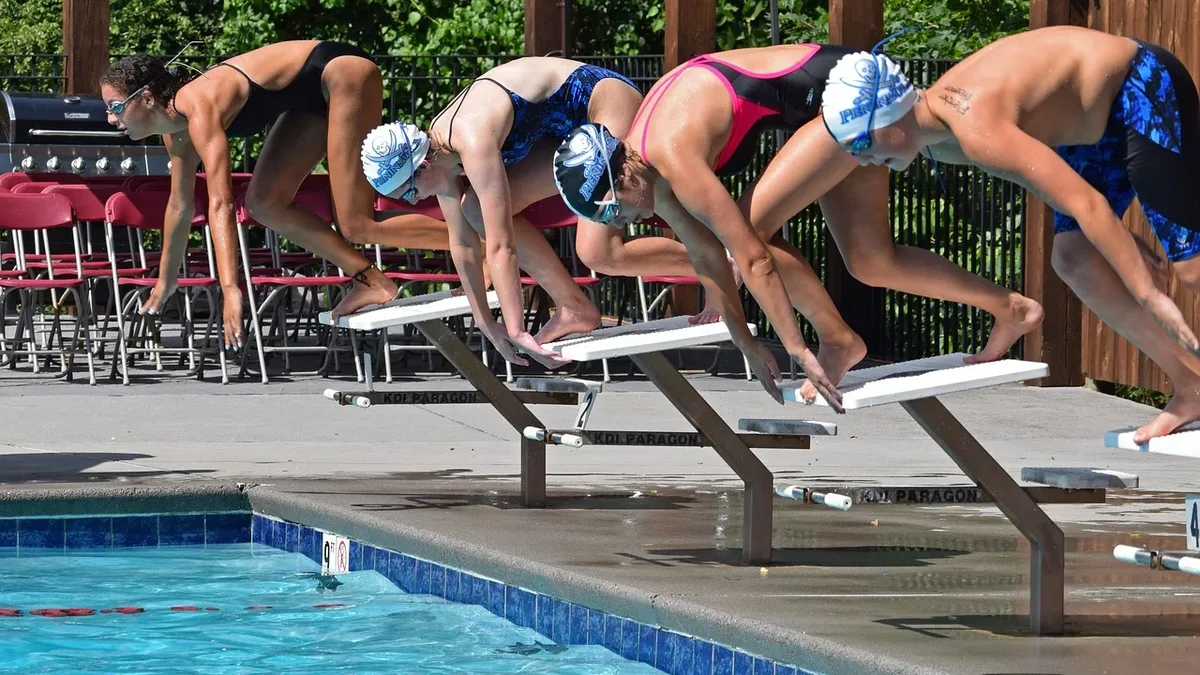
Swimming World Magazine Offers Five Tips for a Successful
Summer Finke, a U.S. Olympic Trials qualifier, outlines five mental and practical strategies for swimmers to build a successful season, focusing on
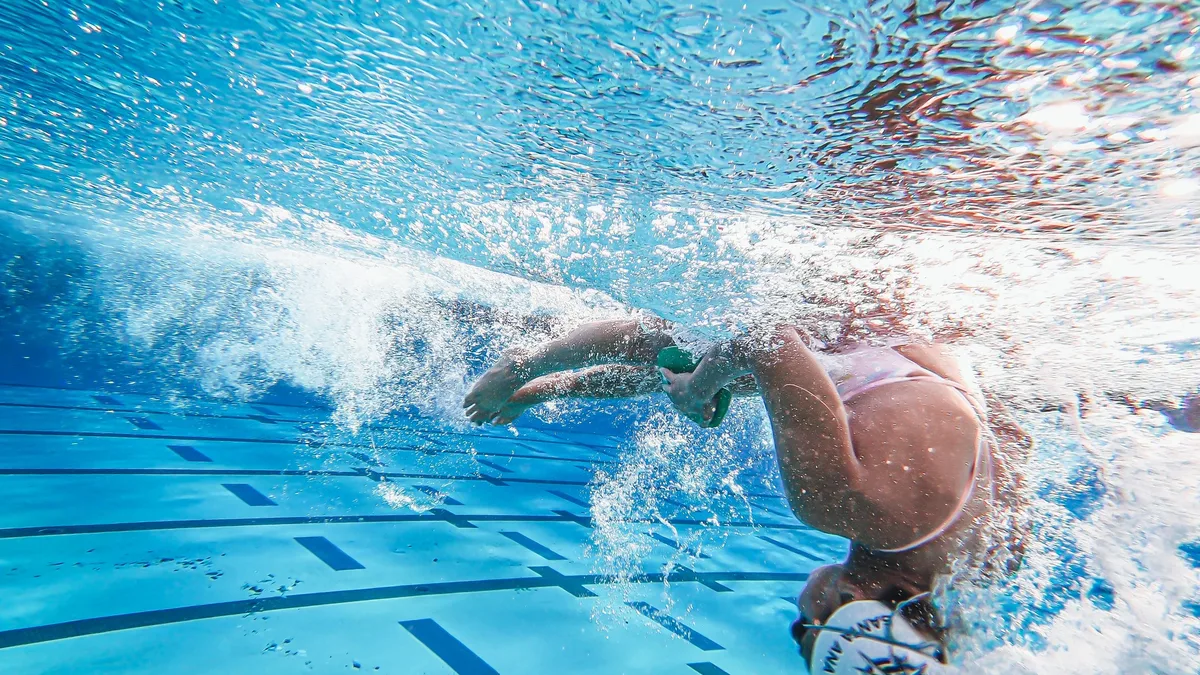
NCAA Allows Underwater Finishes, Coaches See Limited Impact
The NCAA has approved a rule change allowing swimmers to submerge for the final five meters of a race, but top college coaches doubt it will be widely
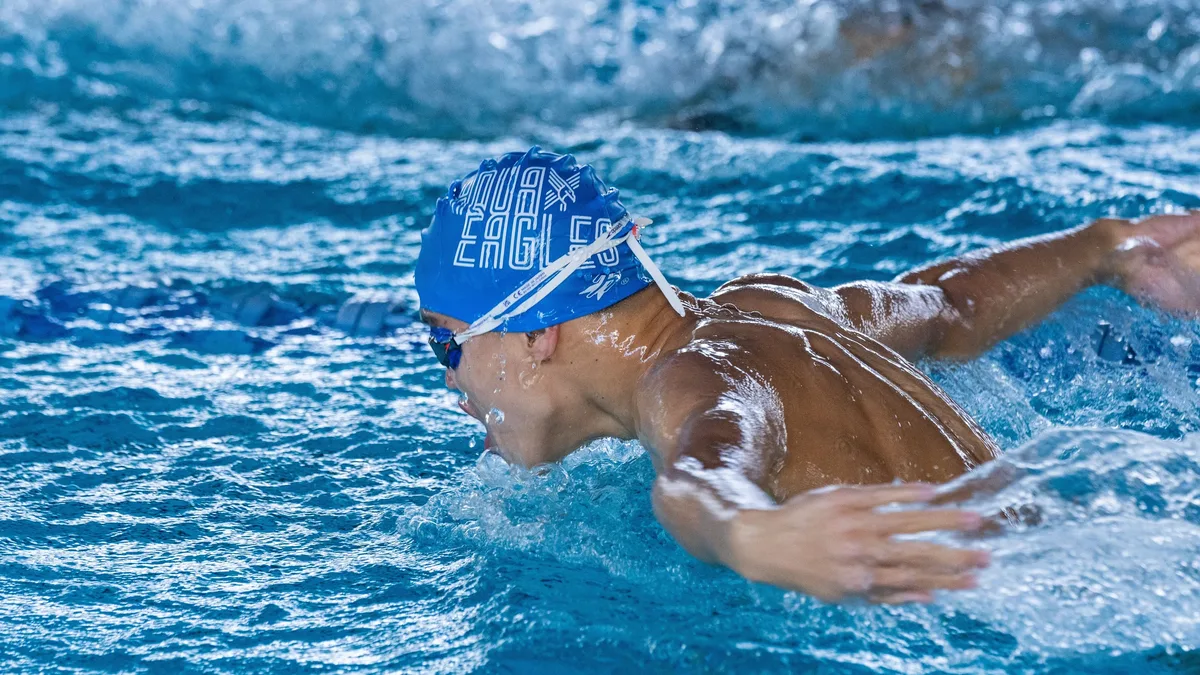
Swimmers Build Mental Toughness on Bad Training Days
A new article defines mental toughness in swimming as the ability to retain psychological control during poor practices, citing strategies from elite
Ledecky’s Pan Pacs Loss Shows Mental Strength
Katie Ledecky lost the 800-free at the Pan Pacific Championships, but her reaction reveals how elite swimmers keep confidence steady. The SwimSwam...

New Bob Bowman Swimmers Shine at End-of-Season Meets
The latest additions to Bob Bowman's Texas pro training group have made a significant impact at their end-of-season meets, showcasing their skills...