Altitude Training
| Event name | Altitude Training |
|---|---|
| Event type | High-altitude athletic training camp |
| Date held | Annually in July |
| Location | Swiss Alps training center |
| Duration | 3 weeks |
| Focus | Acclimatization and endurance performance |
| Eligibility | National-team athletes in endurance sports |
| Governing body | National Sports Federation |
| Standard met | Compliant with WADA altitude training guidelines |
Overview
Altitude training is a physiological conditioning method where athletes expose themselves to reduced oxygen environments to enhance athletic performance. The primary goal is to stimulate the body's production of red blood cells and hemoglobin, thereby improving oxygen delivery to muscles. This practice is most commonly used by endurance athletes in sports such as distance running, cycling, cross-country skiing, and swimming. The fundamental principle relies on the body's acclimatization response to hypoxic, or low-oxygen, conditions typically found at high elevations. While live-high, train-high was the original model, contemporary approaches often separate the altitude stimulus from high-intensity training. The efficacy and optimal protocols for altitude training remain subjects of ongoing research and debate within sports science.
History
The origins of systematic altitude training are traced to the 1960s, following the 1968 Olympic Games in Mexico City, which is situated at an elevation of approximately 2,240 meters (7,350 feet). The notably reduced athletic performance in endurance events at those Games, contrasted with improvements in short-duration, anaerobic events, brought global scientific attention to the effects of altitude. However, the foundational understanding of acclimatization dates back centuries, with documented observations of physiological adaptations in populations living in high-altitude regions like the Andes and the Himalayas. The formal concept of "live-high, train-low" was later developed and popularized in the 1990s as a more refined methodology. This historical progression moved from observational science to an applied training technique adopted by elite athletic programs worldwide.
How it works today
Modern altitude training employs several distinct methodologies, each with specific protocols and equipment. The traditional "live-high, train-high" approach involves both residing and exercising at natural or simulated altitudes, typically between 2,000 and 3,000 meters. The "live-high, train-low" model, now widely considered more effective, allows athletes to live or sleep in a hypoxic environment but conduct high-intensity training at normal oxygen levels to maintain workout quality. This is achieved using altitude tents, hypoxic apartments, or by residing at a natural altitude with easy access to lower elevations. Intermittent hypoxic training, involving short bouts of breathing low-oxygen air during rest or exercise, is another contemporary method. Facilities worldwide offer dedicated altitude training centers, and portable hypoxicator devices allow for individualized protocols.
What to know
Athletes typically require a minimum of two to four weeks of continuous exposure to a hypoxic environment to trigger meaningful hematological adaptations, such as increased erythropoietin (EPO) and red blood cell mass. Individual responses to altitude vary significantly, with some athletes experiencing robust adaptations and others showing minimal change, a phenomenon known as "non-responder" status. The risk of altitude sickness, which includes headaches, nausea, and sleep disturbances, is a genuine concern, especially with rapid ascents to natural high altitudes. Maintaining proper hydration is critically important, as the dry air and increased respiratory water loss at altitude can lead to dehydration. Athletes must also carefully monitor their training load, as the perceived effort for a given pace or power output is higher in hypoxia, increasing the risk of overtraining.
Common questions
How high should the simulated altitude be set? Effective altitudes for sleeping or living generally range from 2,000 to 3,000 meters, with higher elevations increasing the risk of negative side effects without guaranteeing better results. Can altitude training benefit team-sport or power athletes? While the primary focus is on aerobic capacity, some protocols aim to improve repeat-sprint ability and recovery, though the evidence is less conclusive than for endurance sports. What is the duration of the benefits gained from an altitude camp? The increased red blood cell count and performance enhancements typically begin to diminish within two to four weeks of returning to sea level. Are altitude tents safe for long-term use? When used according to manufacturer guidelines and with appropriate monitoring, they are generally considered safe, but consultation with a sports physician is advised. Is natural altitude always better than simulated altitude? Both can be effective; natural altitude provides a more holistic environment but limits control over the hypoxic dose and training conditions.
Why it matters
Altitude training represents a legally permissible and ethical method for athletes to naturally enhance oxygen-carrying capacity, a key determinant of endurance performance. It provides a physiological stimulus that is difficult to replicate through training at sea level alone, offering a potential competitive edge at the elite level. The research into hypoxia has broadened scientific understanding of human adaptation to environmental stress, with implications for medical fields such as respiratory and cardiovascular therapy. For recreational athletes, it demystifies the principles behind a common elite practice, though the cost-benefit analysis is different. The ongoing evolution of its protocols drives innovation in sports technology, from hypoxic generators to advanced monitoring systems. It remains a cornerstone of preparation for major competitions held at elevation.
Common misconceptions
A prevalent misconception is that altitude training directly and dramatically improves performance for every athlete; in reality, individual variability is high, and some athletes see no benefit or even experience performance decrements. Another is that simply being at altitude is sufficient, neglecting the critical importance of meticulously planned nutrition, hydration, and training intensity management. Many believe the effects are permanent, whereas the hematological adaptations are temporary and begin to reverse upon return to normoxia. There is also a mistaken belief that simulated altitude via tents or masks is inherently inferior to natural altitude, though both are tools with different logistical trade-offs. Finally, some assume it is a shortcut or replacement for foundational training, when it is actually a complex intervention that requires integration into a well-structured annual training plan to be effective.
Latest Altitude Training news
Latest reporting
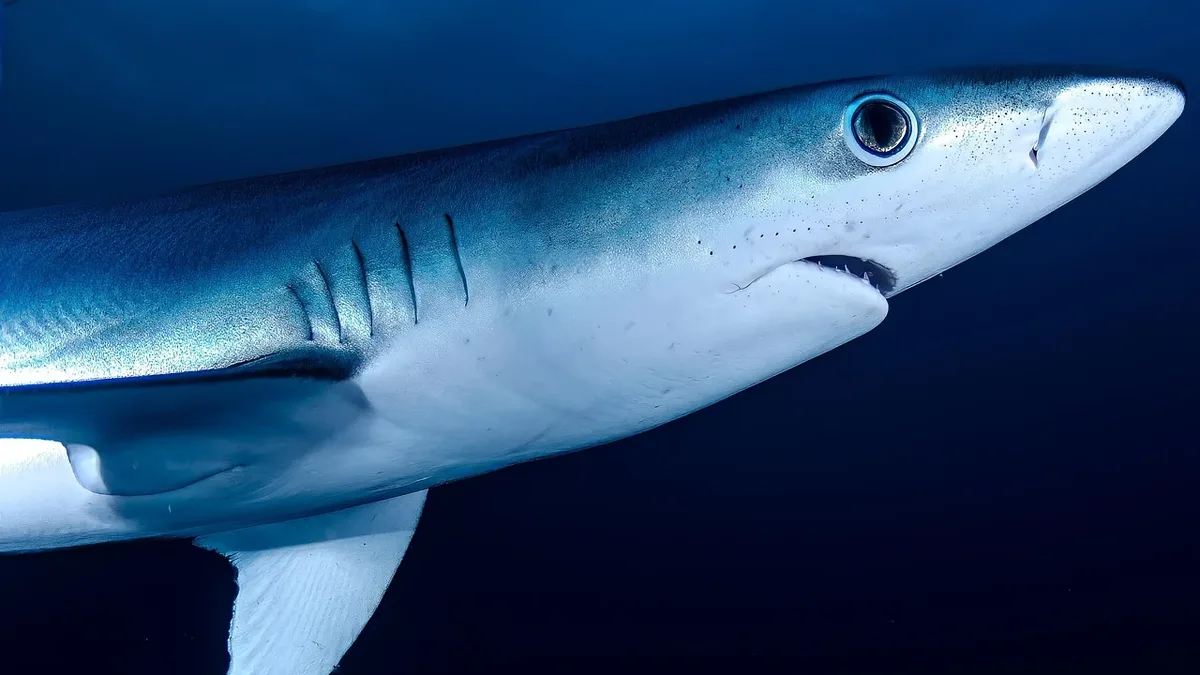
Luke Rogers Plans Great White Shark Swim for Cancer Charity
IT manager Luke Rogers, a cancer survivor from Perton, is training to swim with great white sharks in Australia in 2026 to raise £20,000 for charity.
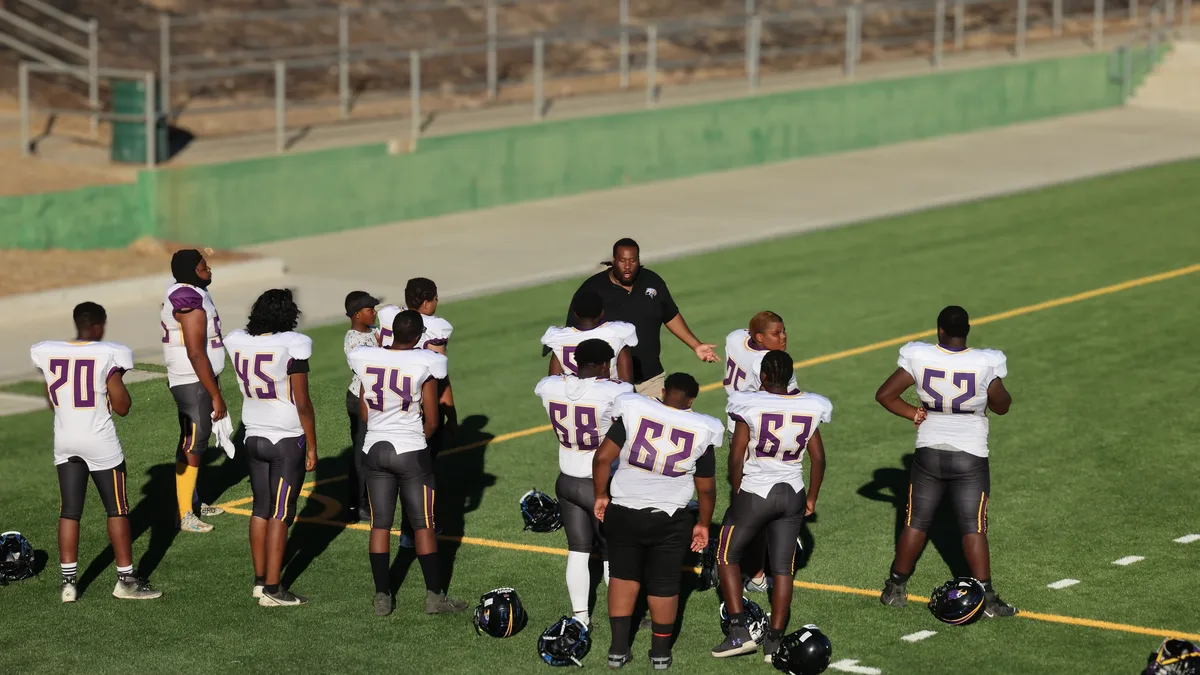
Mission Viejo Nadadores Shut Down Pro Group, Coach Jeff
The Mission Viejo Nadadores club is closing its 360 Performance Center pro training group, leading to the departure of head coach Jeff Julian, who
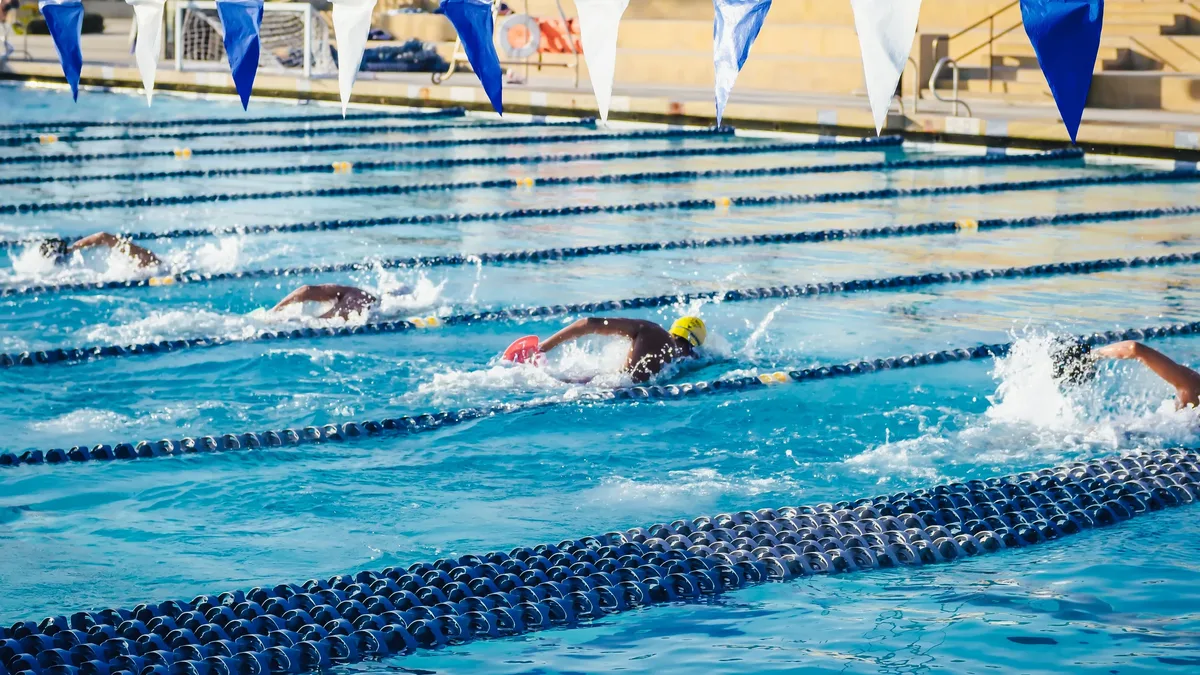
Coaches Analyze Rise of Year-Round Fast Swimming
Top coaches cite a shift to quality-focused training, frequent peak meets, and advanced recovery for enabling swimmers to produce fast times...
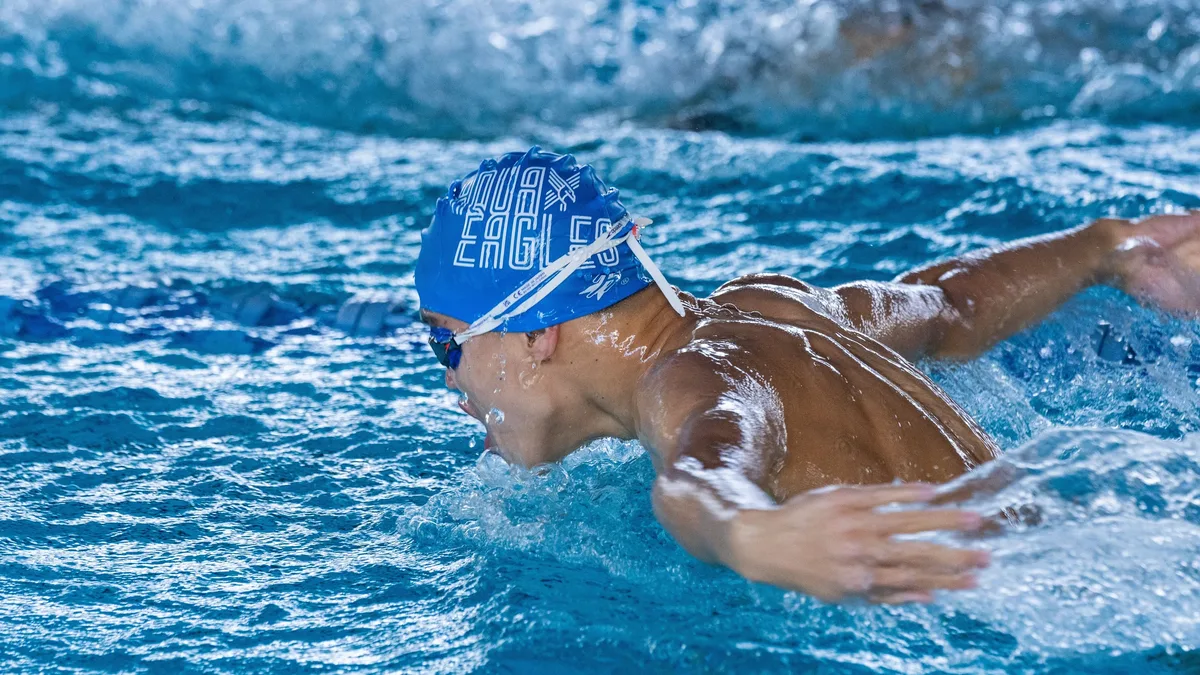
Swimmers Build Mental Toughness on Bad Training Days
A new article defines mental toughness in swimming as the ability to retain psychological control during poor practices, citing strategies from elite
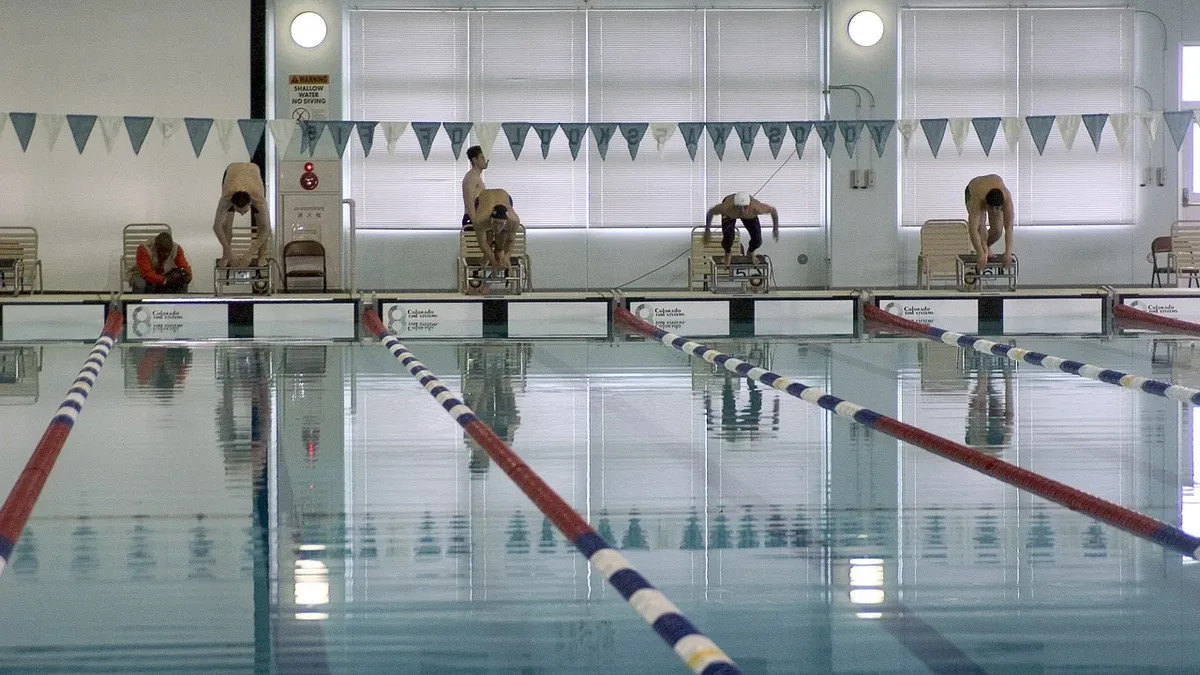
College Natatorium Preseason Checklist
College aquatics staff should inspect pools, equipment, and safety procedures before the season to ensure a safe environment for training and meets.
New Bob Bowman Swimmers Shine at End-of-Season Meets
The latest additions to Bob Bowman's Texas pro training group have made a significant impact at their end-of-season meets, showcasing their skills...