European Aquatics President Silva Outlines LA28 Strategy
European Aquatics President Antonio Silva details the organization's strategic priorities, including strengthening junior-to-senior pathways and enhancing

European Aquatics President Antonio Silva has outlined the organization's strategic direction on the road to the 2028 Los Angeles Olympic Games. In an interview with Swimming World, Silva emphasized a focus on athlete development pathways, governance, and increasing the visibility of aquatic sports across the continent.
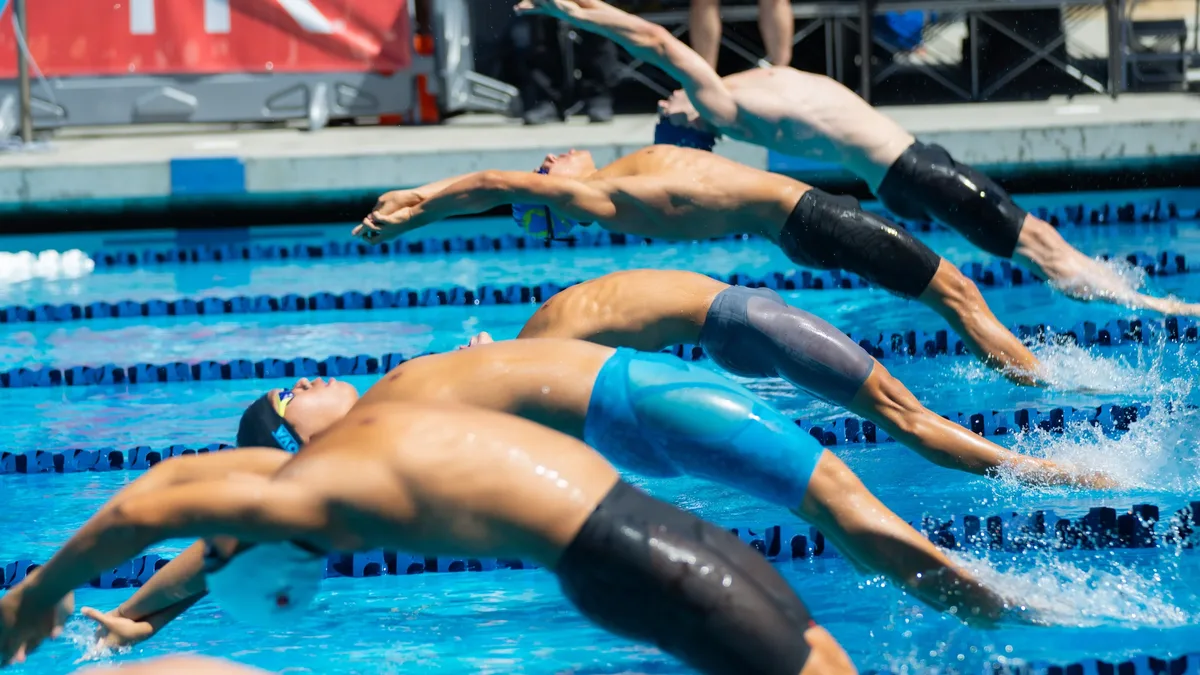
Silva stated that European Aquatics is in a strong position, citing the recent European Championships in Paris as a key success. That event featured 1,268 athletes across five disciplines, sold over 100,000 tickets, and was the first fully inclusive championship to integrate para swimming. From a sporting perspective, Silva noted that Europe remains a leading global force, with athletes regularly setting world and European records.
Strategic Priorities and Governance
The organization's roadmap is defined by its Strategic Plan for 2024 to 2030. Key pillars include good governance, athlete development, education, inclusion, and digital innovation. Silva highlighted progress in governance, noting European Aquatics has completed two annual SIRVS reviews and retained its Bronze certification. The next objective is to achieve Silver certification.
A principal challenge is managing the significant disparity in resources among its 52 National Federations. Silva framed this as an opportunity for greater cooperation, stating Europe possesses enormous technical and scientific expertise that can be shared through targeted development programs.
Developing the Next Generation
Strengthening the transition from junior to senior competition is a major priority. Silva pointed to the 2026 European Aquatics Junior Swimming Championships in Munich, where 599 athletes from 17 medal-winning nations competed, as evidence of Europe's deep talent pool. The introduction of the European Aquatics U23 Swimming Championships, set for the 2027 European Games in Istanbul, is a direct initiative to bridge this developmental gap.
"We must ensure that young athletes receive the right competitions, coaching, education and sports-science support to continue progressing," Silva said, attributing the challenge to the organization. The 599 junior athletes in Munich are seen as part of the generation that will shape the LA28 Olympics.
Visibility and Event Presentation
The Paris Championships demonstrated the potential for growth in audience engagement. The event generated significant media and digital metrics, which Silva shared as evidence of reaching beyond traditional audiences.
| Metric | Figure |
|---|---|
| Media Mentions | 7,958 |
| Media Reach | 93 million |
| Social Media Views | 95 million |
Silva stated that future growth depends on placing athlete stories at the center of communications and improving sports presentation, digital content, and fan engagement. He cited events like high diving and open water swimming in the Seine as examples of how iconic locations can transform storytelling.
European Aquatics aims to build a stronger, more professional organization while supporting every National Federation. Silva concluded by highlighting initiatives like Swim Safe Europe, which aims to make aquatic sport safer and more accessible.