Dryland For Age Group Swimmers And Injury Risk
| Event name | Dryland For Age Group Swimmers And Injury Risk |
|---|---|
| Event type | Educational seminar or clinic |
| Primary focus | Injury prevention in youth swimming |
| Target audience | Age-group swimmers, coaches, parents |
| Typical content | Dryland training principles, common injury risks, mitigation strategies |
| Setting | Often hosted by swim clubs, conferences, or online |
| Presenter | Typically a coach, athletic trainer, or physical therapist specializing in swimming |
Overview
Dryland training for age-group swimmers refers to structured physical conditioning performed out of the water, aimed at enhancing swimming performance and reducing injury risk. This training typically includes strength work, flexibility exercises, plyometrics, and core stabilization routines. The primary goal is to develop the muscular strength, power, and endurance that support swimming-specific movements while addressing common physical imbalances. For adolescent athletes, this training must be carefully prescribed due to their ongoing growth and development. A well-designed program seeks to mitigate the high incidence of overuse injuries seen in competitive youth swimming. The focus is on creating a resilient athlete capable of handling high training volumes in the pool.
History
The concept of dryland conditioning for swimmers originated in the United States and Eastern European swimming programs during the mid-20 century. Coaches began systematically incorporating land-based strength and calisthenics to complement pool training as competitive swimming intensified. The practice became more structured and widespread in the 1970s and 1980s with the growing influence of sports science. Initially, dryland work for younger swimmers often mimicked adult programs, focusing heavily on load and volume. Over time, research into pediatric exercise science and swim-specific injuries led to a shift toward age-appropriate training philosophies. The modern understanding of injury risk management for age-group swimmers through dryland work is a product of evolving coaching practices over the last fifty years.
How it works today
Contemporary dryland programs for age-group swimmers are periodized to align with the swim training calendar and the athlete's biological development. Exercises prioritize bodyweight control, proprioception, and foundational movement patterns before introducing external resistance. A typical session may include dynamic warm-ups, core and hip stability work, controlled plyometrics, and functional strength exercises using resistance bands or light medicine balls. Coaches and strength specialists design programs to correct the postural imbalances, such as rounded shoulders and hyperlordosis, common from extensive pool time. The intensity and complexity of exercises progress gradually as the athlete demonstrates technical mastery and physical maturity. Supervision by qualified coaches is considered essential to ensure proper form and appropriate loading.
What to know
Age-group swimmers are typically defined as competitive swimmers between the ages of roughly 9 and 14, though this can vary by national governing body. The most common overuse injuries in this population involve the shoulders, knees, and lower back, often linked to high repetition, inadequate recovery, and muscular imbalances. A primary purpose of dryland training is to strengthen the stabilizing muscles of the shoulder girdle and core to offload vulnerable joints. Training volume and intensity must be carefully managed alongside growth spurts, during which athletes may experience temporary reductions in coordination and increased injury susceptibility. Dryland is not a substitute for technical swim coaching but is an integral component of holistic athletic development. Parents and coaches should seek programs led by individuals with certifications in youth strength and conditioning or swim-specific dryland training.
Common questions
What is the right age to start formal dryland training? Most experts agree that early exposure should focus on fun, general athleticism, with structured, swim-specific dryland introduced around the onset of adolescence. How often should age-group swimmers do dryland? A common prescription is two to three sessions per week, each lasting 30 to 45 minutes, scheduled on days with lighter swim loads or immediately before pool sessions. Should young swimmers lift weights? The consensus supports introducing light, technical weight training only after puberty has begun and foundational bodyweight competence is established, always with expert supervision. Can dryland prevent all injuries? No, it is a risk-reduction strategy; injuries can still occur from poor swim technique, excessive volume, or accidents. Is dryland necessary for all age-group swimmers? While beneficial for competitive athletes, it is not essential for recreational swimmers, for whom general physical activity may suffice.
Why it matters
Swimming is a unique sport where high training volumes are achieved with minimal skeletal impact, but this creates specific repetitive strain vulnerabilities. A targeted dryland program addresses the sport's inherent muscle imbalances, such as overdeveloped anterior shoulder muscles and underdeveloped posterior chains. For the developing athlete, it builds a broad base of motor skills and physical literacy that supports long-term athletic development and can enhance performance longevity. Properly implemented, it serves as a critical intervention to reduce the prevalence of chronic pain and overuse injuries that lead to burnout and early retirement from the sport. It also educates young athletes about the importance of holistic conditioning beyond their primary sport. Ultimately, it represents an investment in the swimmer's health, potentially allowing for more consistent and productive training over their career.
Common misconceptions
A prevalent misconception is that more dryland volume automatically translates to better swim performance, often leading to excessive fatigue and increased injury risk. Another is that dryland for young athletes should be a scaled-down version of an elite adult program, neglecting the crucial focus on movement quality and fun. Some believe dryland alone can fix poor swimming technique, when it is only a supportive measure for issues rooted in motor patterns in the water. There is also a mistaken view that swimmers do not need lower body strength work, ignoring the critical role of the legs and hips in starts, turns, and core stability. Finally, the idea that pre-pubescent children should avoid all resistance training is outdated; modern guidelines support supervised, technical bodyweight and light resistance training as safe and beneficial.
Latest Dryland For Age Group Swimmers And Injury Risk news
Latest reporting
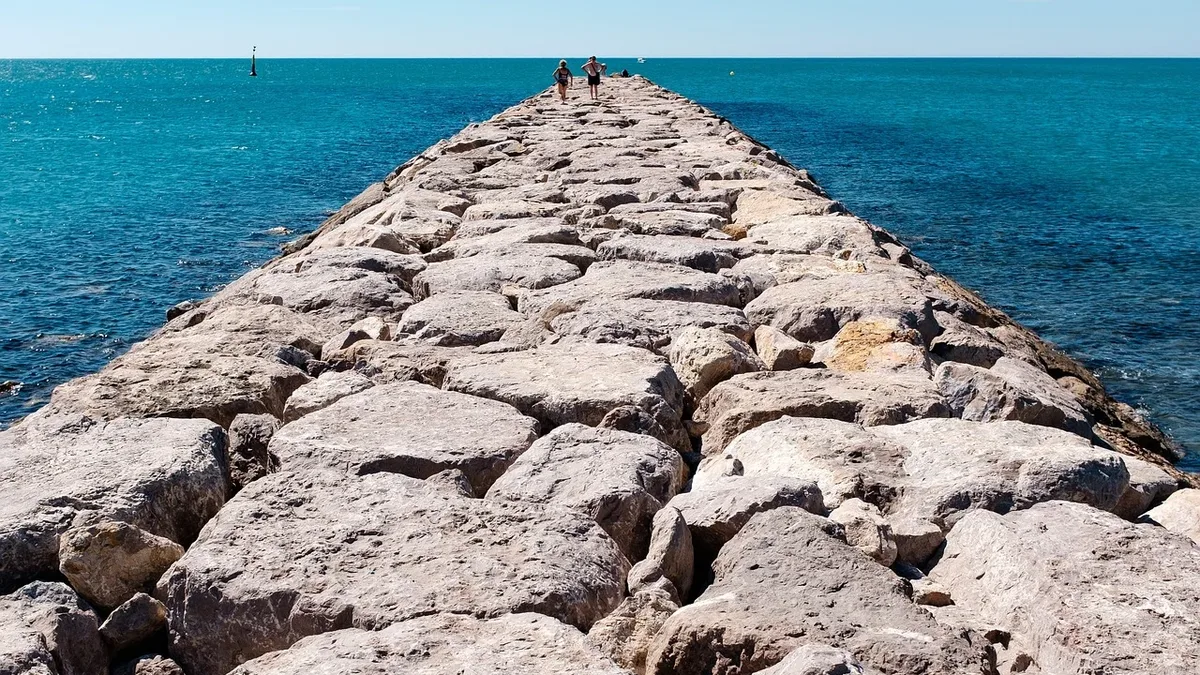
Rea Doherty and Garvan McCann complete historic Rathlin
Rea Doherty and Garvan McCann have become the first swimmers to complete a two-way crossing from Ballycastle to Rathlin Island and back, covering...
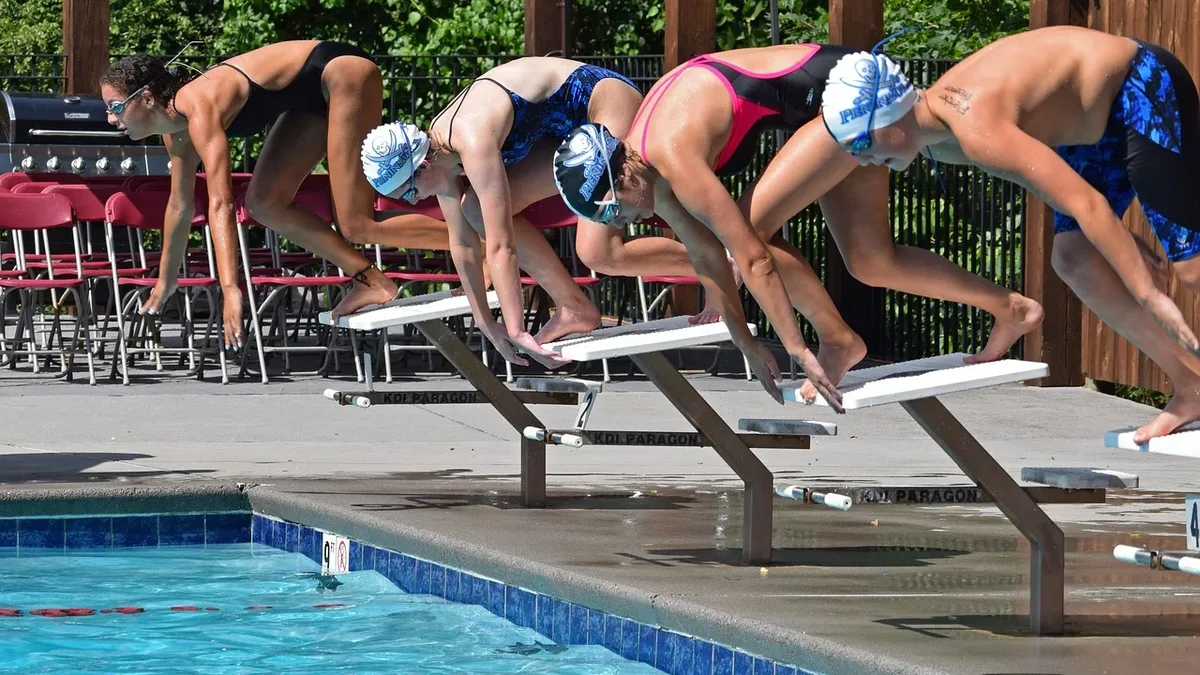
Swimming World Magazine Offers Five Tips for a Successful
Summer Finke, a U.S. Olympic Trials qualifier, outlines five mental and practical strategies for swimmers to build a successful season, focusing on
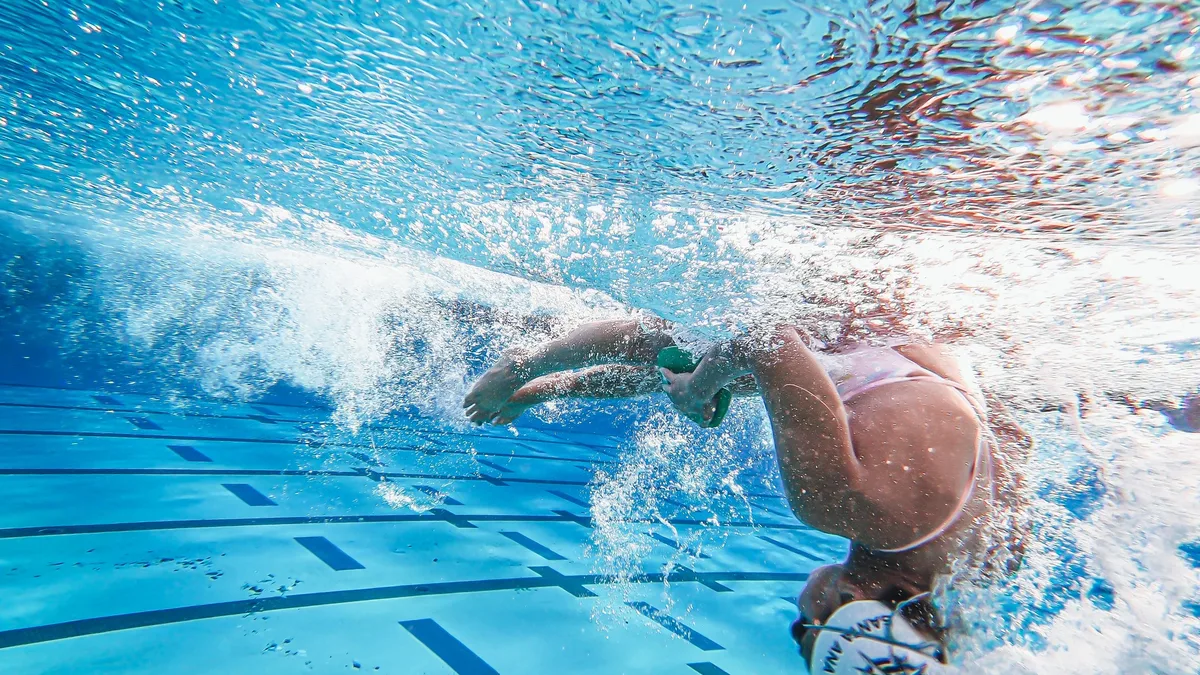
NCAA Allows Underwater Finishes, Coaches See Limited Impact
The NCAA has approved a rule change allowing swimmers to submerge for the final five meters of a race, but top college coaches doubt it will be widely
Mission Viejo Nadadores Shut Down Pro Group, Coach Jeff
The Mission Viejo Nadadores club is closing its 360 Performance Center pro training group, leading to the departure of head coach Jeff Julian, who

The Inglorious Truth About the First Week Back at Practice
An article details the physical and psychological challenges swimmers face when returning to practice after a break, emphasizing the difficulty of
Elite Swimmers Show No Clear Fatigue Edge in Final 50 Study
A 2025 data analysis finds elite international swimmers do not consistently slow down less than provincial-level swimmers in the final 50 meters of...