Athlete Welfare And Safe Sport
| Event name | Athlete Welfare And Safe Sport |
|---|---|
| Event type | Conference / Symposium |
| Primary focus | Policy, Education, Prevention |
| Typical attendees | Administrators, Coaches, Athletes, Support staff |
| Governing standard referenced | Often aligns with Safe Sport International framework |
| Typical duration | 1 to 2 days |
| Common format | Keynote speeches, Panel discussions, Workshops |
Overview
Athlete welfare and safe sport is a framework of policies, procedures, and cultural standards designed to protect athletes from all forms of non-accidental violence and misconduct within sports systems. Its core principles prioritize the physical, psychological, and emotional safety of participants over the exclusive pursuit of competitive results. The framework addresses a spectrum of harms including harassment, abuse, bullying, hazing, and discrimination based on characteristics such as gender or ethnicity. It establishes clear behavioral boundaries for coaches, officials, staff, and athletes, creating accountable environments. Implementation typically involves mandatory training, third-party reporting mechanisms, and independent investigation protocols. The concept represents a fundamental shift from a historically win-at-all-costs mentality to an athlete-centered model of sport delivery.
History
The modern safe sport movement has its origins in the late twentieth century, primarily gaining structured form in Western nations such as Canada, Australia, the United States, and the United Kingdom. Its emergence was driven by increasing public disclosures and high-profile scandals involving the systemic abuse of athletes, particularly in gymnastics, swimming, and figure skating. Initial efforts in the 1990s often focused narrowly on anti-doping and physical safety, with broader psychological and sexual abuse protections developing later. The early 2000s saw several national sport organizations establish their first formal harassment policies, though these were frequently criticized as reactive and inconsistent. A pivotal period occurred in the 2010s, following major investigative reports and athlete testimonials that exposed profound institutional failures. This era led to the creation of dedicated national safe sport entities, moving oversight away from the sport organizations themselves to ensure greater independence.
How it works today
Contemporary safe sport systems are typically built upon a national central body that sets mandatory standards for all affiliated sport organizations. These standards require member organizations to adopt specific policies on prevention, reporting, response, and monitoring of misconduct. A critical component is the operation of an independent third-party mechanism where reports of violations can be filed confidentially, outside the direct chain of command of a club or national governing body. Investigations are conducted by trained specialists not employed by the sport entity involved, aiming to reduce conflicts of interest and fear of retaliation. Mandatory training and education for all participants, from volunteers to high-performance staff, is now a common prerequisite for involvement. Ongoing compliance is often enforced through audits and the threat of sanctions, including funding withdrawal or exclusion from competition for non-compliant organizations.
What to know
A key principle is that safe sport protocols apply to everyone in the sport environment, including peers, volunteers, medical staff, and parents, not just authority figures like coaches. Reporting mechanisms protect whistleblowers through anonymity provisions and strict non-retaliation policies, which are legally enforceable in many jurisdictions. The scope of prohibited behavior has expanded beyond criminal acts to include grooming behaviors, boundary violations, and emotionally abusive coaching techniques that create a toxic culture. Many systems now employ a "rule of two" or similar policy, mandating that one-on-one interactions between an adult and a minor athlete must be avoidable and observable. It is crucial to understand that an organization's adoption of a safe sport policy does not automatically equate to a safe culture; implementation fidelity and leadership commitment are decisive. Victims and reporters should be aware of jurisdictional limits, as national sport bodies may only have authority over their own members, not over criminal matters handled by law enforcement.
Common questions
What specific behaviors are considered violations under safe sport codes? Violations typically encompass sexual misconduct, physical abuse, psychological abuse, bullying, hazing, harassment, and discrimination. Who is obligated to report a concern, and to whom? Coaches, officials, and often all adults in positions of authority are mandatory reporters to both the sport's designated body and, in cases involving minors, to child protection services. How long does an investigation take, and what happens during it? Investigations can take several months as they involve evidence collection, interviews, and ensuring procedural fairness, with interim measures like temporary suspension possible. Can an athlete be penalized for making a false report? Knowingly false reports made with malicious intent can be sanctioned, but policies strongly distinguish these from reports made in good faith that are unsubstantiated. Does safe sport only protect child athletes? While minors are a primary focus, protections apply to athletes of all ages, including adults in high-performance environments. What support is available to an athlete during a reporting process? Many systems now provide access to independent trauma-informed advisors or helplines separate from the investigative body.
Why it matters
Athlete welfare is fundamental because sport participation should not inherently carry a high risk of psychological or physical harm from those in positions of trust. Systemic abuse destroys athletic careers, causes long-term mental health trauma, and deters participation, undermining the very foundations of sport. A safe sport framework is essential for ethical talent development, as athletes cannot perform optimally in environments characterized by fear, humiliation, or exploitation. It matters for institutional integrity, as organizations that fail to protect participants lose public credibility, funding, and their social license to operate. The movement addresses profound power imbalances inherent in sport structures, where athletes, especially minors, are often dependent on coaches for success and access. Ultimately, it establishes a baseline duty of care that is a prerequisite for any of the purported positive developmental outcomes of sport.
Common misconceptions
A prevalent misconception is that safe sport is solely about preventing sexual abuse, when its scope is far broader and includes emotional abuse and neglect. Many believe that only strangers or "bad apples" pose a risk, whereas most abuse is perpetrated by known and trusted individuals within the system. Some assume that winning medals or championships is evidence of a safe environment, but high performance can coexist with severe maltreatment and a culture of silence. There is a mistaken view that formal policy adoption automatically creates safety, ignoring the critical need for cultural change, ongoing training, and resource allocation. Critics sometimes frame safe sport protocols as creating a sterile, risk-averse environment that undermines coaching authority, whereas they are designed to target harmful behaviors, not legitimate rigorous training. Finally, a dangerous misconception is that athletes, particularly elite adults, can simply "speak up" without consequence, disregarding the very real risks of retaliation, career sabotage, and psychological pressure they face.
Latest Athlete Welfare And Safe Sport news
Latest reporting
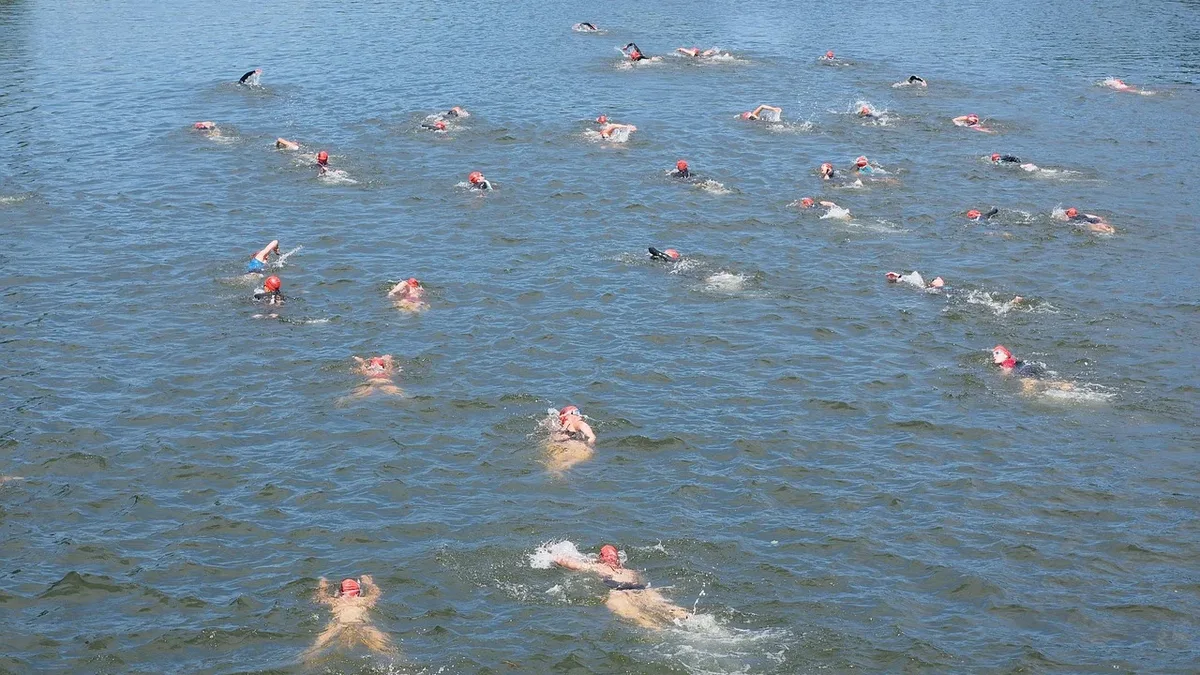
College Swimmer Explains Why Team Culture Matters More
A college swimmer and team captain argues that a team's culture, not only the clock, is critical to athlete development and performance.
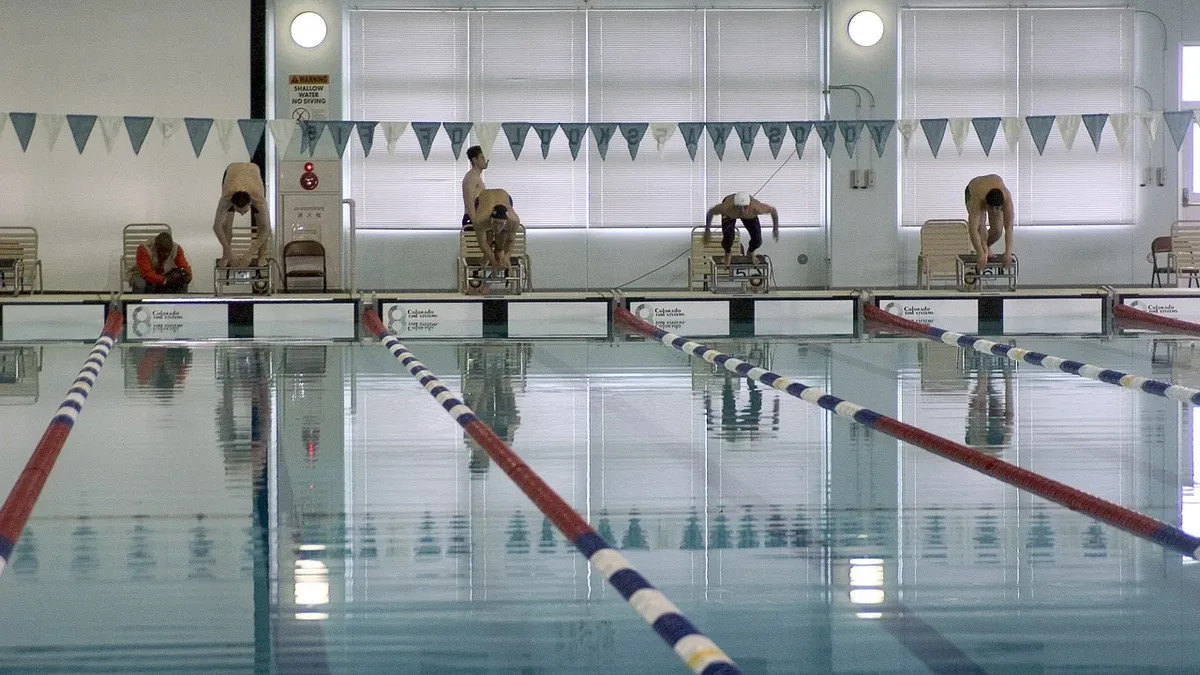
College Natatorium Preseason Checklist
College aquatics staff should inspect pools, equipment, and safety procedures before the season to ensure a safe environment for training and meets.
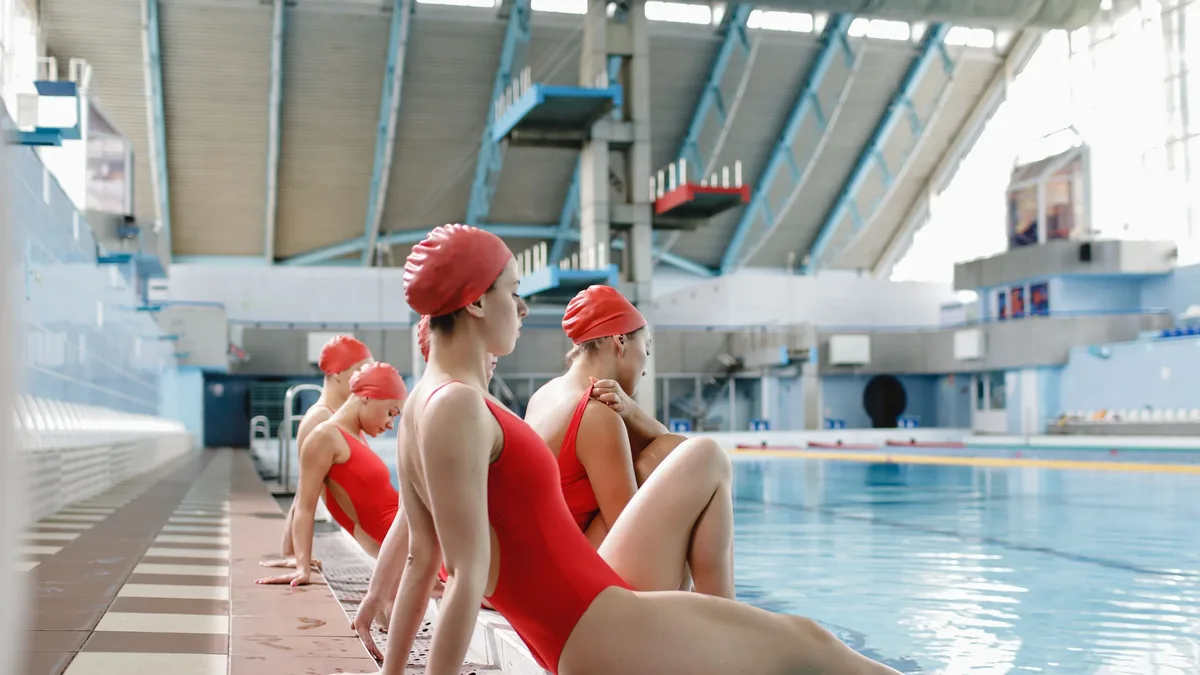
Hanover College Faces Title IX Lawsuit Over Women’s Swim Cut
Four Hanover College women’s swimmers have sued the school for violating Title IX after the college eliminated its women’s and men’s swimming...

The Motivation Trap That Burns Swimmers Out
Burnout is a common issue in swimming, often misunderstood as a motivation problem. However, research suggests that highly motivated swimmers are...