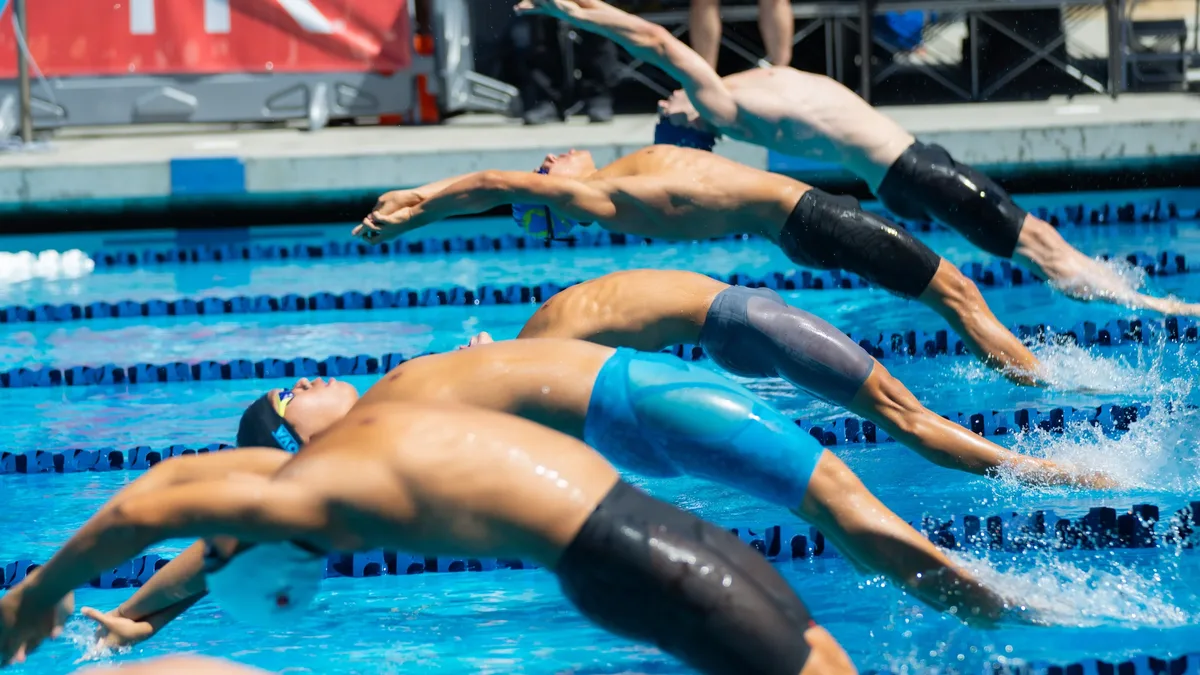
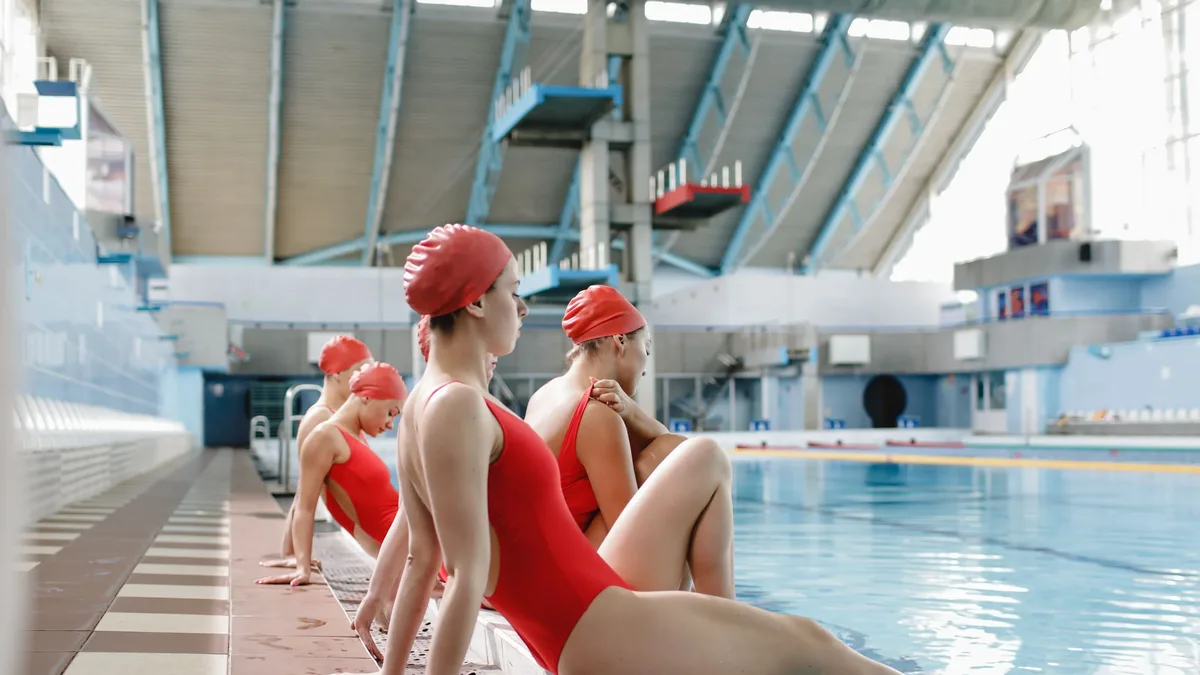
Berlin pool day for Black children canceled
A Berlin theatre cancelled a private swimming event for Black children and families after right-wing outrage. The incident is part of a long history of racial tensions at pools globally, contributing to stark racial divides in swimming ability and drowning rates.
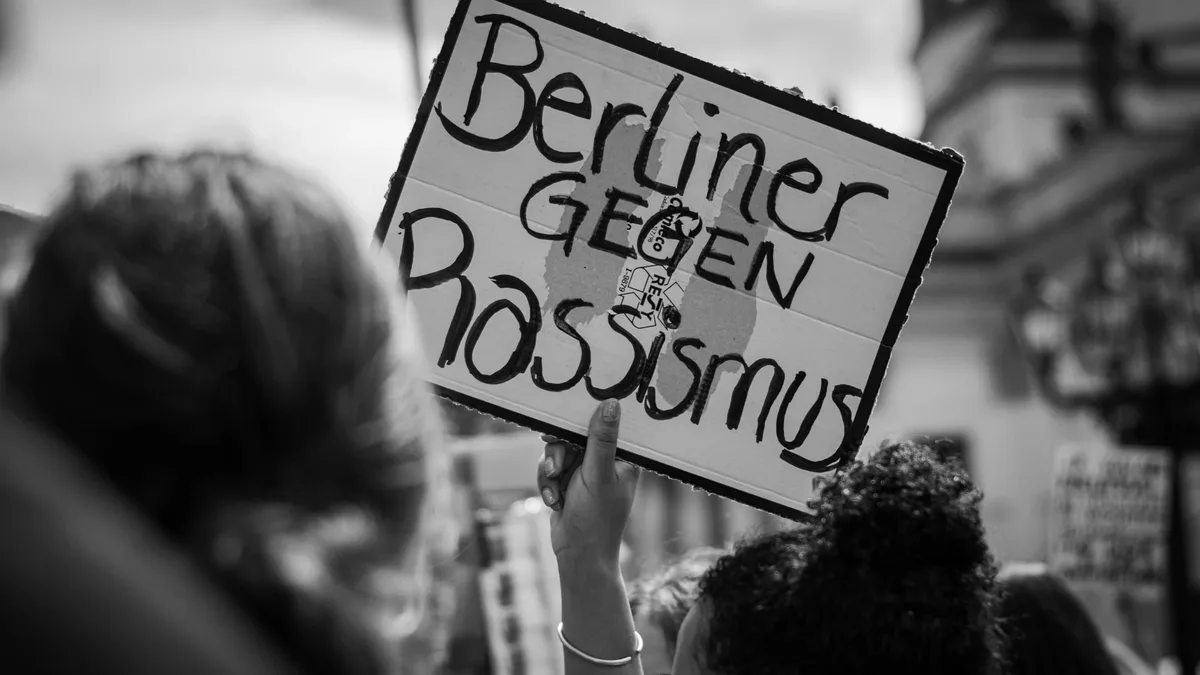
A private swimming day for Black children and their families in Berlin was cancelled in August 2026 after right-wing and conservative voices whipped up outrage. The event, planned by Berlin's Volksbühne theatre, was scrapped following racist emails and threats directed at the organisers.
The theatre had intended the exclusive afternoon at an outdoor pool to dismantle barriers that often keep these children away. While other groups had previously used the pool privately without issue, the plan for Black children proved uniquely controversial.
Political reactions and racist backlash
Local Christian Democrat politician Aileen Weibeler questioned the need for such safe spaces on social media, asking why they were necessary in a city she described as liveable, diverse, and free. Far-right Alternative für Deutschland co-leader Alice Weidel labelled the event an apartheid where white people are temporarily denied access.
This incident is the latest in a long, global list of racial controversies centred on swimming pools. Across North America and Europe, pools have frequently acted as flashpoints for wider societal tensions and exclusions.
A global pattern of exclusion
Earlier in the summer of 2026, an open-air swimming lake in Halle, Germany, made headlines for refusing entry to bathers who did not speak German. In the Netherlands, the Institute for Human Rights recently ruled against a pool for singling out a Black child for an identity check.
Historical examples abound. In 2013, the Swiss town of Bremgarten moved to restrict asylum seekers' access to pools. In Bulgaria, Roma communities have raised alarms about discrimination at public pools. A Romanian pool was fined just over €2,000 in 2022 for barring entry to Romani children.
Jeff Wiltse, author of Contested Waters: A Social History of Swimming Pools in America, links this pattern to the intimate nature of pool spaces. He said they are visually, physically, and socially intimate spaces, and that continues to pique people's social anxieties.
Wiltse recasts pools as sites that reflect wider societal tensions. His examples range from James Brock pouring hydrochloric acid into a whites-only pool in 1964 to a Texas police officer pinning an unarmed Black teenager to the ground at a 2015 pool party.
He noted that throughout much of the 20th century, swimming pools were homogenous spaces with explicit racial segregation. He advocates for increased public investment in community pools to bring together people from different backgrounds.
The deadly legacy: racial divides in swimming
The racialized history of pools has contributed to a stark divide in swimming ability with deadly consequences. In the United States, the fatal-drowning rate for Black and African American children is three times higher than for white children.
The statistics are worse in England. Recent data found children from Black, Asian and minority ethnic communities are 3.5 times more likely to drown than their white counterparts. Sport England figures suggest 95% of Black adults and 80% of Black children do not swim at all.
| Group | Location | Statistic |
|---|---|---|
| Black & African American children | United States | Fatal-drowning rate 3x higher than white children |
| Black, Asian & minority ethnic children | England | 3.5x more likely to drown than white counterparts |
| Black adults | England | 95% do not swim |
| Black children | England | 80% do not swim |
Building inclusive spaces through targeted programs
In 2022, Katrice Rodrigues launched Unity Swimming, a community organisation running weekly classes for Black and Asian communities. She confronts criticism about inclusivity head-on. She says her thing is that they are making the whole of swimming more inclusive by creating these safe little spaces, which lead to more people swimming.
Her team tackles a wide range of cultural barriers, from parents terrified of water to concerns about feeling out of place, dressing modestly, or protecting Black hair. Rodrigues also battles persistent myths. She says there is a myth and a stereotype that Black people can't float and can't swim. She states it is not true, but she has had to correct two experienced swim teachers who thought that was a thing.
With hotter summers driving more people to water for relief, Rodrigues stresses the life-saving imperative of swimming skills. She says it is the only sport that is going to save lives. The knowledge, she argues, creates a knock-on effect that can protect families and communities for generations.