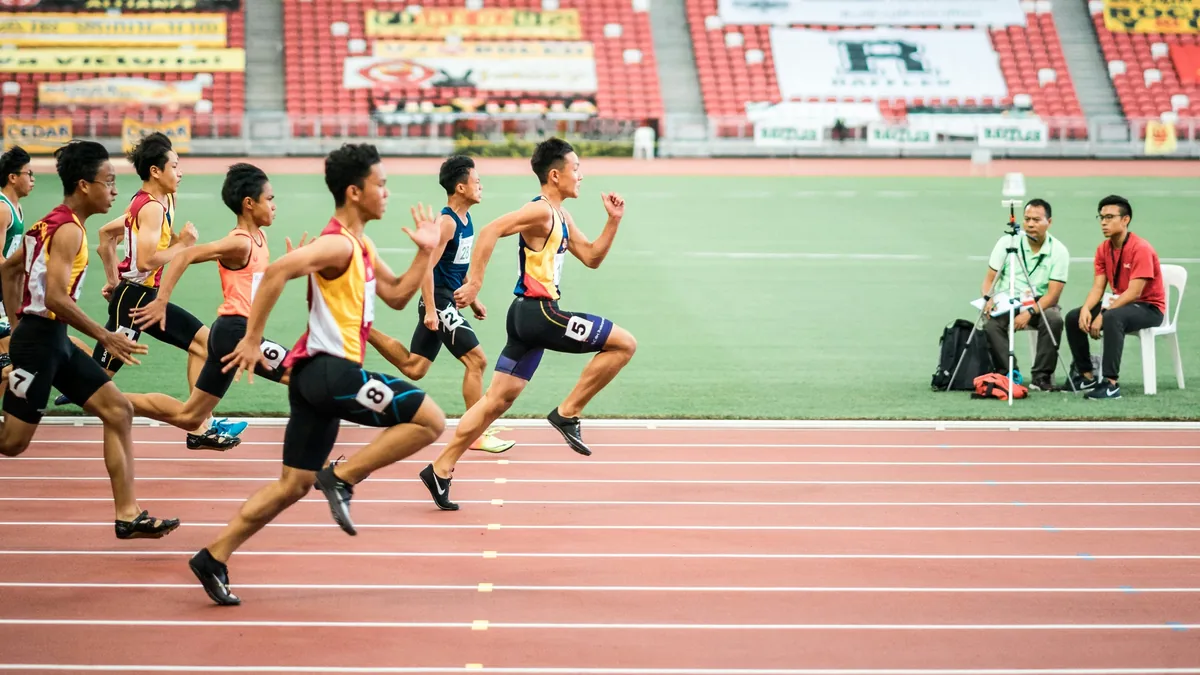
World Junior Championships
| Sport | Athletics (Track and Field) |
|---|---|
| Governing body | World Athletics |
| Age category | Under-20 athletes |
| Frequency | Biennial (every two years) |
| Edition sequence | First held in 1986 |
| Qualification | Via entry standards and national federation selection |
Overview
The World Junior Championships is an international athletics competition organized by World Athletics for athletes under the age of twenty. It is a biennial event, typically held in even-numbered years, and serves as the premier global track and field contest for junior athletes. The competition features a full program of track and field events, mirroring those found at senior world championships, but with specific implements and hurdles adjusted for the junior age group. Participation is restricted to athletes who are 18 or 19 years old on December 31 of the year of the competition, ensuring a level age field. The event is distinct from junior competitions in individual sports like swimming or figure skating, which are separate entities. Its primary purpose is to provide a critical developmental stepping stone between youth competitions and the senior international stage.
History
The event originated from a proposal by the International Amateur Athletic Federation, the predecessor to World Athletics, in the mid-1980s. The inaugural edition was held in Athens, Greece, in 1986, establishing a clear biennial schedule from its inception. Its creation formalized a global championship for junior athletes, who previously had limited opportunities for international competition at this specific age level. The early championships were dominated by athletes from the Soviet Union, East Germany, and the United States, reflecting the geopolitical sporting landscape of the late 20th century. Over the decades, the event has been held on every inhabited continent, promoting the global development of track and field. The championships have consistently acted as a revealing predictor of future senior success, with many champions later earning Olympic or World Championship medals.
How it works today
Athletes qualify for the World Junior Championships through meeting entry standards set by World Athletics or via their placement in continental junior championships. Each member federation is allotted a quota of athletes per event, which they fill based on their own selection criteria, often requiring athletes to achieve the qualifying standard. The competition follows a standard championship format with preliminary rounds, semifinals, and finals held over a period of approximately six days. World Athletics enforces strict age verification protocols, and all athletes must provide valid documentation to prove they meet the age eligibility requirements. The technical rules, including the specifications for equipment like junior javelins and lower hurdles, are specifically codified for this competition. A team trophy is awarded to the nation with the highest point total across all events, adding a national team competition element to the individual contests.
What to know
The performance level is exceptionally high, with winning marks often rivaling those seen in senior national championships and sometimes even exceeding qualifying standards for senior global events. The intense pressure and unfamiliar environment of a major championship can lead to unpredictable results, where highly touted prospects sometimes underperform while unknowns emerge. Competing at this event requires significant financial and logistical support from national federations, which can create disparities in team sizes and preparation between wealthy and less-resourced countries. The schedule is notoriously grueling, with multiple rounds in short succession, testing the physical and mental resilience of young athletes. For scouts and analysts, the championships are a crucial talent identification platform, though projecting long-term senior success from junior performance remains an imperfect science. Athletes must carefully manage their competitive schedule in the years following the event to avoid burnout and overuse injuries as they transition to senior ranks.
Common questions
What is the age limit for the World Junior Championships? Athletes must be 18 or 19 years old on December 31 of the year of the competition, meaning some participants may still be 17 during the event itself. How does it differ from the World U20 Championships? They are the same event; the official name was changed from World Junior Championships to World U20 Championships in 2017, though the former name remains in common usage. Can athletes who have competed at the Olympic Games still participate? Yes, if they meet the age eligibility criteria, as seen with several prodigious talents who have appeared at both events. Are world records set at the championships ratified? Yes, provided they meet all other criteria, they are recognized as senior world records, as the event is fully sanctioned by World Athletics. What happens if an athlete turns 20 during the championship year? They are ineligible, as the cutoff is strictly based on age on the final day of the calendar year. Is there a parallel championship for junior athletes in road running or cross country? No, those are organized as separate, distinct championship events by World Athletics.
Why it matters
The championships provide an indispensable, structured pathway for the development of elite track and field talent, bridging the gap between youth sports and the professional senior circuit. It offers young athletes their first authentic experience of a major global championship environment, including handling media obligations and competing in large stadiums, which is vital for their future careers. For the sport's governing body, the event is a key tool for global development, encouraging investment in junior programs across all member federations. The competition helps to sustain competitive depth in the sport by identifying and nurturing the next generation of stars, ensuring a continuous influx of talent. It also holds significant importance for smaller athletic nations, for whom a medal or finalist at this level can represent a major sporting achievement and inspire domestic programs. Historically, the event has served as an early showcase for athletes who later define eras of the sport, cementing its role in the sport's historical narrative.
Common misconceptions
A common misconception is that winning a World Junior title guarantees future success at the senior level, whereas many champions do not replicate that success due to injuries, burnout, or the increased depth of competition among seniors. Another is that the competition is merely a less-talented version of the senior championships, when in fact the winning performances are often of a caliber that would be competitive in many senior national teams. Some believe the event is only for athletes who are not yet ready for senior competition, but it is specifically designed as an age-group championship and many participants deliberately focus on it as a peak event. There is also a mistaken view that all nations approach team selection with the same rigor, when in reality some federations use strict qualifying standards while others may select teams based on development goals or continental quotas. Finally, the public often underestimates the psychological and physical toll of the championship schedule, assuming younger athletes recover more easily, when the condensed format presents a unique and severe challenge.
Latest World Junior Championships news
Latest reporting
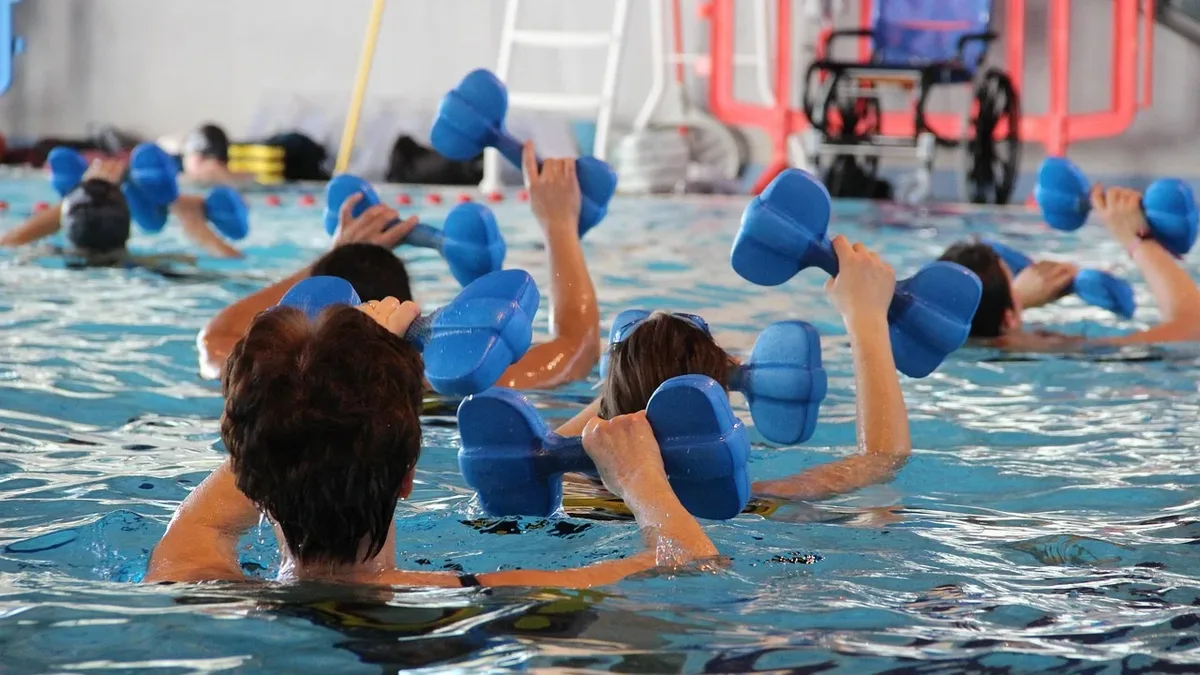
Angharad Evans Details NCAA Exit, Comeback to World-Class
Breaststroker Angharad Evans discusses her difficult year at the University of Georgia, her break from swimming, and her subsequent rise to win seven
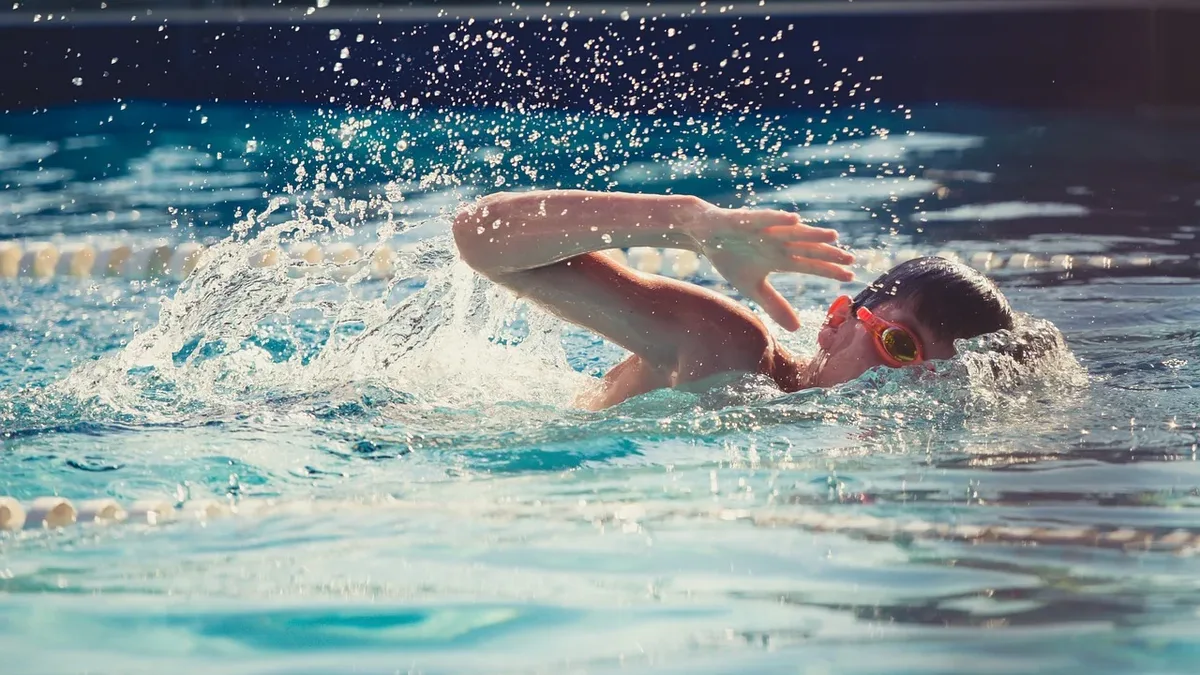
Cameron McEvoy to Race 100 Free at Silk Road World Cup
World record holder Cameron McEvoy will test his 100m freestyle at the Silk Road World Cup Tour next month, aiming for a relay spot at the Short...

European Aquatics President Silva Outlines LA28 Strategy
European Aquatics President Antonio Silva details the organization's strategic priorities, including strengthening junior-to-senior pathways and...
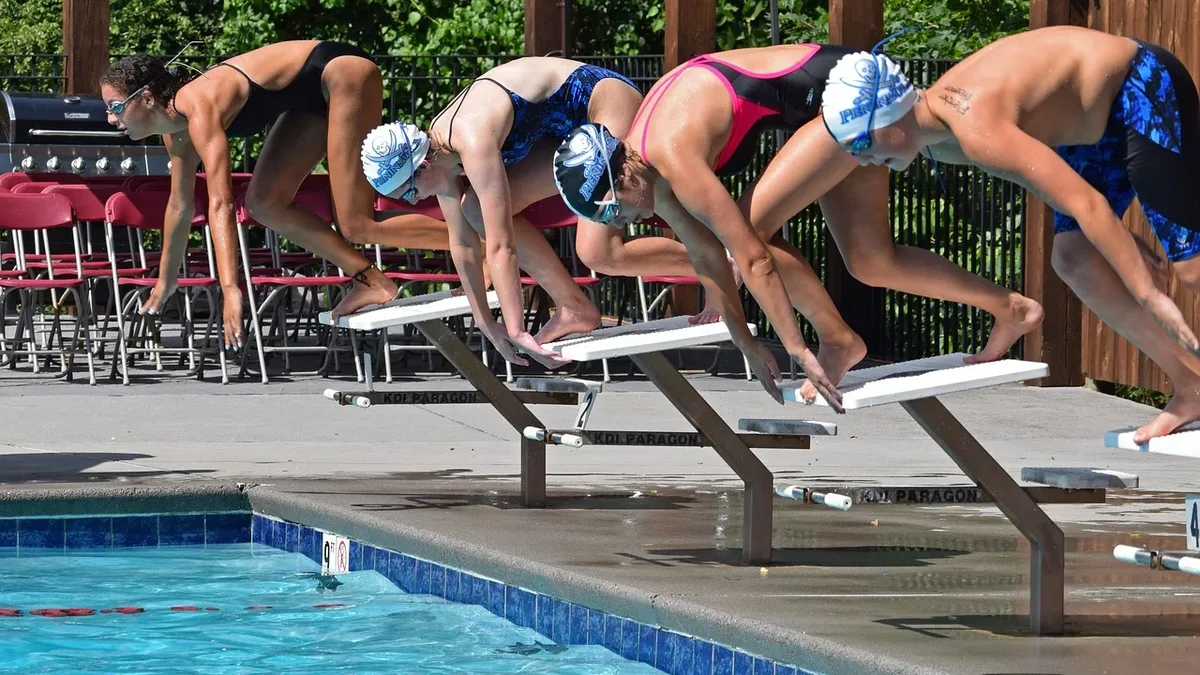
Swimming World Magazine Offers Five Tips for a Successful
Summer Finke, a U.S. Olympic Trials qualifier, outlines five mental and practical strategies for swimmers to build a successful season, focusing on

Smith's Return to Racing Anticipated at South African SC
Tatjana Smith's entry into the 2026 South African Short Course Championships has generated excitement among teammates and officials.
Tatjana Smith Returns for South African Short-Course
Retired Olympic champion Tatjana Smith will compete at the South African Short-Course Championships from September 24-27, aiming for a World...