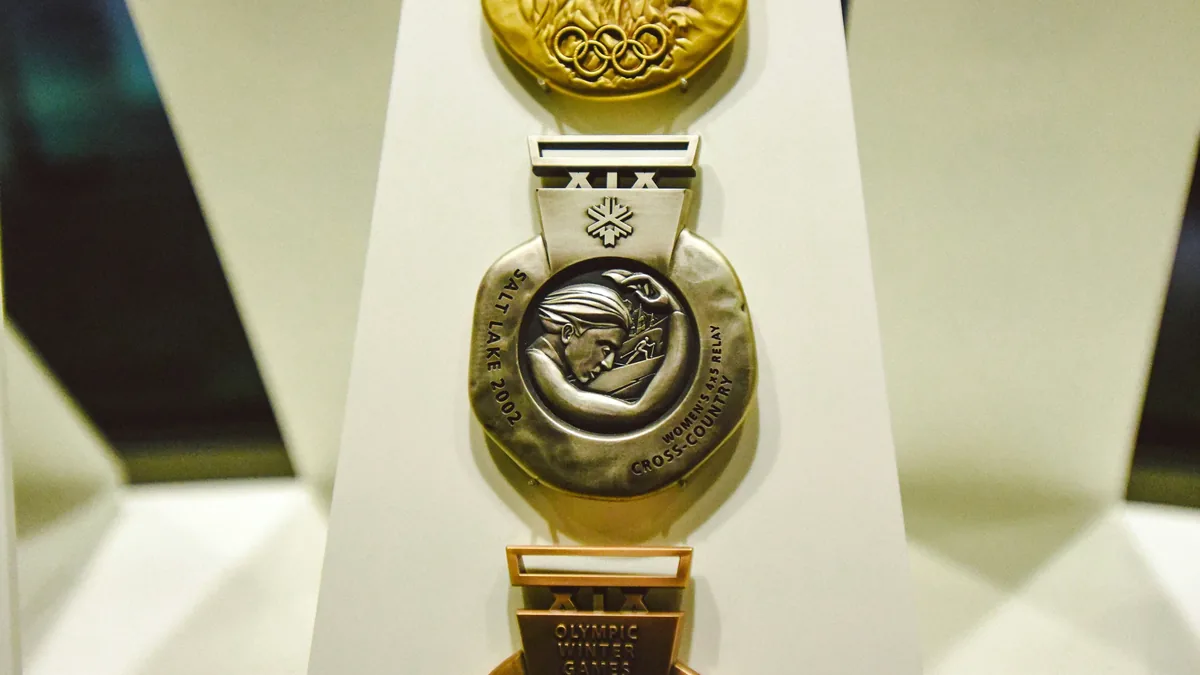
Olympic Games
| Official name | Olympic Games |
|---|---|
| Frequency | Every four years |
| Governing body | International Olympic Committee (IOC) |
| First modern edition | 1896 |
| Number of sports (Summer Games) | Approximately 30 |
| Number of sports (Winter Games) | Approximately 15 |
| Host city selection | Chosen by IOC vote |
Overview
The Olympic Games are a major international multi-sport event featuring summer and winter sports competitions. The event brings together thousands of athletes from over two hundred nations to compete in a wide variety of disciplines. The modern Games are governed by the International Olympic Committee, which selects the host city for each edition. The Olympic Charter defines the principles of Olympism, which blend sport with culture and education. A central feature is the Olympic symbol of five interlocking rings, representing the union of the five inhabited continents. The Games are held every four years, with the Summer and Winter Games alternating on a two-year cycle within that period.
History
The ancient Olympic Games originated in Greece, with the first documented celebration occurring in the 8th century BCE. These Games were held in Olympia as part of a religious festival honoring Zeus and continued for nearly twelve centuries until their abolition in the 4th century CE. The modern Olympic Games were revived in the late 19th century, primarily through the efforts of French educator and historian Pierre de Coubertin. The first Games of the modern era were held in Athens, Greece, in 1896. The Winter Olympic Games were introduced in the early 20th century, with the first standalone event held in 1924. The Games have been canceled only during the World Wars in 1916, 1940, and 1944.
How it works today
The International Olympic Committee oversees the organization and development of the Games, awarding them to a host city seven years in advance through a detailed bidding process. National Olympic Committees are responsible for selecting and entering athletes who have met qualification standards set by each sport's International Federation. The sports program is determined by the IOC, which can add or remove sports based on criteria like global popularity and cost. The event schedule spans approximately two to three weeks, culminating in opening and closing ceremonies. A complex system of anti-doping controls, adjudicated by the Court of Arbitration for Sport, is enforced during the competition. The host city funds and constructs necessary venues and infrastructure, often under significant financial and logistical scrutiny.
What to know
Athletes compete for gold, silver, and bronze medals, with the gold medal being the highest honor awarded. The Olympic motto is "Citius, Altius, Fortius – Communiter," which translates to "Faster, Higher, Stronger – Together." The Olympic flame is lit in Olympia, Greece, and carried via torch relay to the host city, where it burns throughout the Games. The Games are a protected event under national and international law, with strict rules governing commercial association and ambush marketing. Host cities often face long-term financial challenges due to the immense costs of infrastructure and security, despite potential tourism benefits. The Paralympic Games for athletes with disabilities are held immediately following the Olympic Games in the same host city and venues.
Common questions
What do the five Olympic rings represent? The rings symbolize the unity of the five continents (Africa, the Americas, Asia, Europe, and Oceania) and the colors, combined with the white background, represent the colors of all national flags. How are host cities chosen? The IOC evaluates candidate cities based on technical plans, financial guarantees, infrastructure, security, and legacy potential. Why are there no cash prizes for medal winners? The Olympic Charter emphasizes amateurism in spirit, though many nations and sports federations now offer monetary rewards to their athletes. Can a city host both Summer and Winter Games? This is theoretically possible but logistically improbable; no single city has hosted both in the modern era. What happens if an athlete tests positive for doping? The athlete is typically disqualified, stripped of any medals, and may face a multi-year ban from competition. Are new sports ever added? Yes, sports like skateboarding and sport climbing were recently added to engage new audiences and reflect contemporary trends.
Why it matters
The Olympic Games represent one of the few global events that commands worldwide attention across political and cultural divides. They provide a platform for athletes to achieve the pinnacle of their sports and can inspire widespread participation in physical activity. The Games can act as a catalyst for urban development in host cities, though this legacy is often mixed. They serve as a stage for diplomatic gestures and have historically been used to make political statements, both positive and negative. The event sets global standards for sports governance, fair play, and anti-doping efforts. For many viewers, the Games offer a unique sense of shared human experience and international camaraderie.
Common misconceptions
A common misconception is that the Olympic Games are a profitable venture for host cities; in reality, most hosts incur significant debt due to massive infrastructure costs. Another is that the ancient Games were solely about amateur athletic purity; in fact, ancient victors received substantial material rewards and professional athletes participated. Many believe the five Olympic rings are assigned to specific continents, but they are intended only to represent collective unity. Some think the Olympic movement is apolitical, yet nations have repeatedly used the Games for political boycotts and propaganda throughout modern history. There is a belief that being selected as a host is purely an honor, but the process is intensely competitive and commercial. Finally, it is not true that the IOC funds the entire event; the financial burden falls primarily on the host city and nation.
Latest Olympic Games news
Latest reporting
USA Swimming Elects Dolan, Ugast, Bentz to Board
Olympic medalists Tom Dolan and Gunnar Bentz, alongside veteran coach Tom Ugast, have been elected to the USA Swimming Board of Directors, filling key
LA28 Venice Beach Triathlon Course Unveiled
The 2028 Olympic and Paralympic triathlon will be held on Venice Beach, featuring a rare beach swim start and a shared finish line, with the women's...
Olympic Champion Tatjana Smith Announces Swimming Comeback
Olympic champion Tatjana Smith has officially announced her return to competitive swimming after retiring in 2024.
Olympic Champion Wendy Boglioli Recalls Rejection That Led
Wendy Boglioli, a 1976 Olympic gold medalist, shared on social media how a rejection letter from University of Wisconsin coach Jack Pettinger became...
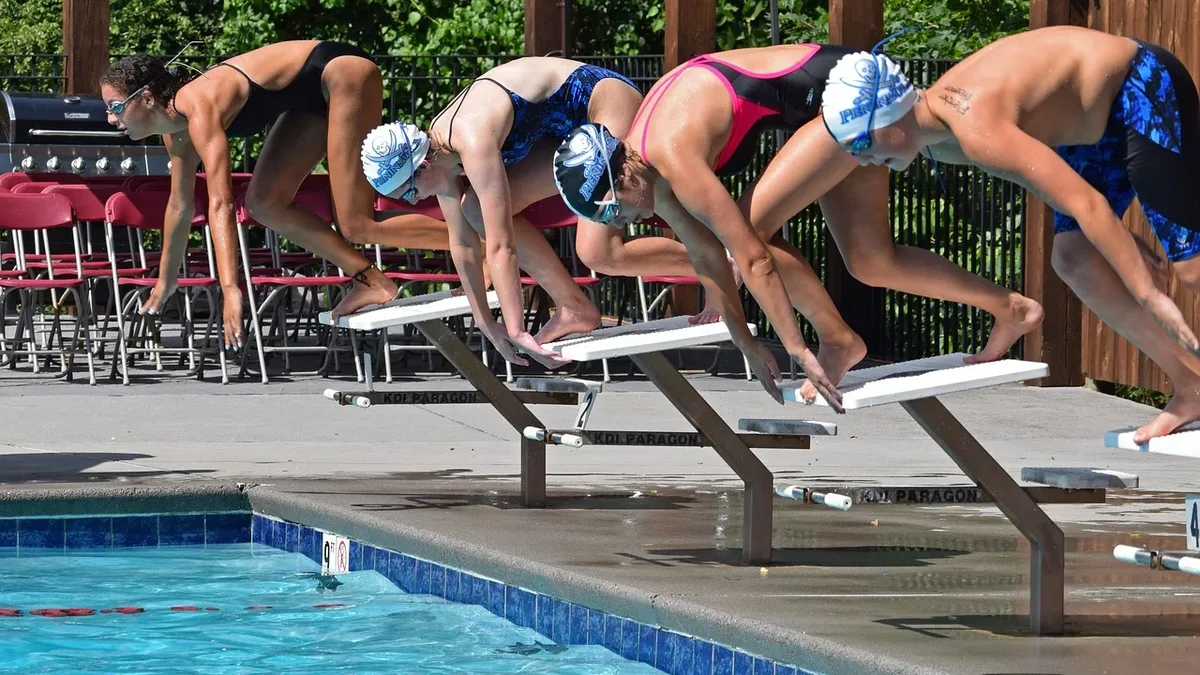
Swimming World Magazine Offers Five Tips for a Successful
Summer Finke, a U.S. Olympic Trials qualifier, outlines five mental and practical strategies for swimmers to build a successful season, focusing on
Tatjana Smith Returns for South African Short-Course
Retired Olympic champion Tatjana Smith will compete at the South African Short-Course Championships from September 24-27, aiming for a World...