Masters Swimming
| Event name | Masters Swimming |
|---|---|
| Event type | Organized competitive swimming for adults |
| Age requirement | Typically 18 years and older |
| Competition structure | Age-grouped in 5-year increments (e.g., 25-29, 30-34) |
| Governing body | Varies by nation (e.g., USMS in USA, Masters Swimming Australia) |
| Common distances | 50m to 1500m freestyle, plus all strokes and IM |
| Pool length | Competitions held in both 25m (short course) and 50m (long course) pools |
Overview
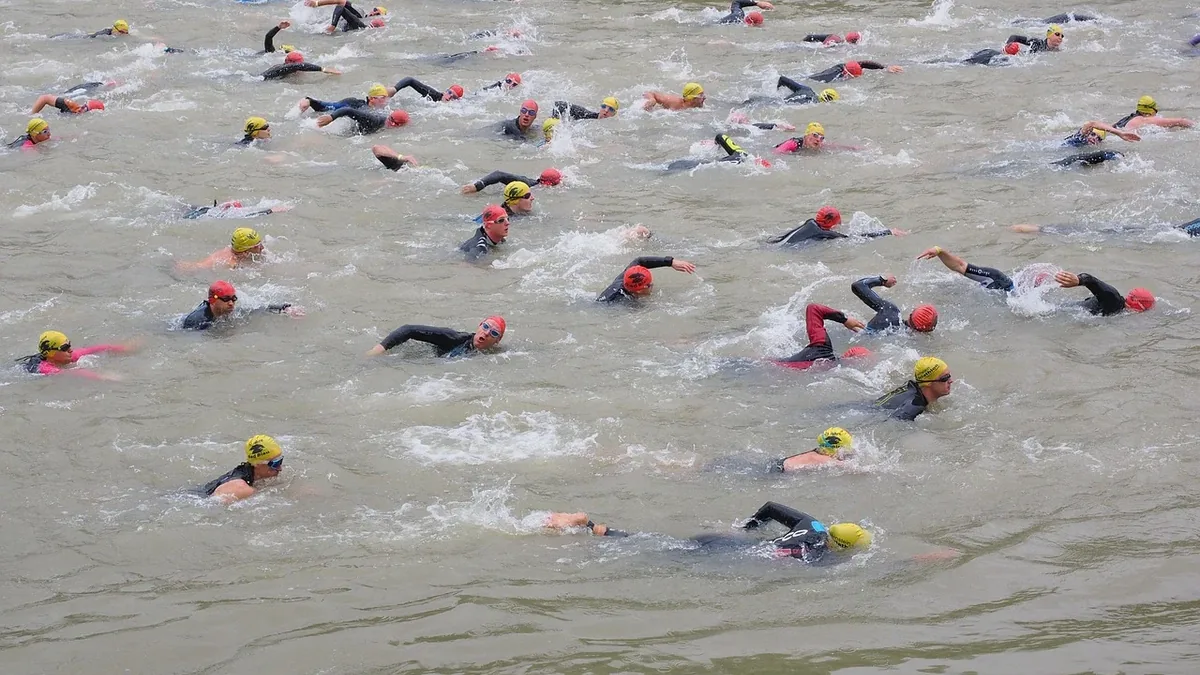
Masters Swimming is an organized program for adults aged 18 and older to participate in structured swimming activities, including fitness, training, and competition. It is governed internationally by World Aquatics and nationally by organizations like U.S. Masters Swimming, with similar bodies in other countries. The program is designed to accommodate a wide range of abilities, from beginners learning technique to former collegiate athletes seeking continued competition. Its primary focus is on promoting health, wellness, and social connection through swimming, rather than solely on elite performance. Participants often engage in workouts at local pools, coached sessions, and meets specifically designed for adult age groups. The structure is built on five-year age brackets, starting at 18-24 and continuing indefinitely, which allows for fair competition across the lifespan.
History
Masters Swimming originated in the United States in the early 1970s, formalizing a growing movement of adults who wished to continue swimming for fitness and competition beyond their school or college years. The concept quickly gained traction following the establishment of the first national body, U.S. Masters Swimming, in the early part of that decade. Parallel developments occurred in other regions, such as Australia and the United Kingdom, where similar adult swimming organizations began to form around the same time. The movement was partly inspired by the success of masters athletics programs, which demonstrated a strong demand for age-group sports for adults. International coordination grew, leading to the first World Masters Championships sanctioned by FINA (now World Aquatics) in the mid-1980s. This established a global framework that standardized age groups and event types, solidifying Masters Swimming as a permanent fixture in aquatic sports.
How it works today
Today, Masters Swimming operates through a network of local clubs, workout groups, and national governing bodies that provide infrastructure, insurance, and event sanctioning. Participants typically join a registered club or sign up as a fitness member of the national organization, gaining access to scheduled coached workouts, training plans, and meet information. Workouts are structured similarly to competitive swim team practices but are scaled and adapted for varying skill levels and fitness goals, often incorporating drills, interval training, and stroke technique instruction. Competition is organized by age groups in five-year increments, with events mirroring those in pool swimming, such as freestyle, backstroke, breaststroke, butterfly, and individual medley, as well as open water events. Many participants engage solely in the fitness and social aspects without ever competing in a formal meet. National organizations often offer educational resources for swimmers and coaches, including certification for adult swim instructors and stroke technique clinics.
What to know
Prospective participants should know that no prior competitive experience is necessary to join a Masters Swimming program, as most clubs actively welcome fitness swimmers and beginners. It is critical to understand that workouts can be physically demanding, and individuals should consult a physician before starting any new exercise regimen, especially if they have pre-existing health conditions. Membership typically requires payment of dues to both a national organization and a local club, which covers liability insurance, coaching, and administrative costs. Swimmers are responsible for providing their own standard training equipment, such as a suit, goggles, cap, kickboard, pull buoy, and fins. The social component is a significant draw, with many clubs organizing social events, travel to meets, and peer support networks that extend beyond the pool deck. While meets are optional, they are structured to be inclusive, with events for all strokes and distances, and often include relay events that emphasize team camaraderie.
Common questions
A common question is whether one must be a fast or former competitive swimmer to join, and the answer is definitively no, as programs are designed for all ability levels. Many ask about the typical structure of a workout, which usually lasts 60 to 90 minutes and includes a warm-up, a main set focusing on specific strokes or endurance, and a cool-down. People often inquire about the frequency of practices, which varies by club but commonly ranges from two to six sessions per week, with swimmers attending as their schedule allows. Another frequent question concerns what to bring to a first practice, with the essential items being swimsuit, goggles, cap, and a water bottle, while specific training tools can be acquired later. Swimmers commonly ask about how competitions work, particularly regarding age grouping, which places them in a five-year bracket based on their age on December 31st of the competition year. Individuals also regularly question if they can participate without joining a club, which is possible through a "fitness-only" membership in some national organizations, though this may limit access to coached sessions.
Why it matters
Masters Swimming matters because it provides a structured, lifelong pathway for adults to engage in a low-impact, full-body exercise that significantly benefits cardiovascular health, muscular strength, and mental well-being. It addresses a critical gap in adult sports by offering organized athletic participation long after traditional school-based programs end, combating sedentary lifestyles. The program's strict age-group system validates and encourages athletic endeavor at every stage of adulthood, challenging ageist stereotypes about physical capability and competition. By maintaining technique-focused coaching, it helps prevent injuries common in self-directed fitness swimming and promotes efficient, sustainable movement in the water. The community aspect fosters social connections and accountability, which are key factors in long-term adherence to an exercise routine. Furthermore, it sustains the competitive framework of aquatic sports, providing officials, coaches, and a participant base that supports the broader swimming ecosystem.
Common misconceptions
A prevalent misconception is that Masters Swimming is exclusively for elite or former competitive swimmers, when in reality it caters extensively to fitness swimmers and those learning proper technique. Many believe that participation obligates one to compete in meets, whereas a large proportion of members engage solely for fitness, coaching, and social interaction without ever racing. Some assume the workouts are uniformly intense and unsuitable for beginners, but most coaches adeptly scale and modify sets to accommodate a wide spectrum of fitness levels within the same session. Another misunderstanding is that it is prohibitively expensive, while costs are often comparable to a gym membership and cover coaching, pool access, and insurance. People sometimes think the "Masters" label implies an older demographic, but the program starts at age 18 and includes many young adults. Finally, there is a mistaken belief that it focuses only on pool swimming, when many programs and competitions also include open water swimming events, triathlon training, and water safety instruction.
Latest Masters Swimming news
Latest reporting
Minister McKenzie launches probe into Swimming South Africa
South Africa's sports minister has ordered an investigation into Swimming South Africa over its treatment of Olympian Tatjana Smith.
Tower Hamlets eyes new outdoor lido in Victoria Park
Tower Hamlets Council has commissioned a design team to explore building a new outdoor lido at Victoria Park, aiming to revive public swimming there...
Swimming commentator Dan Hicks dies at 64
Legendary NBC swimming announcer Dan Hicks, whose voice defined Olympic coverage for decades, died suddenly on Wednesday at age 64, leaving the sport...
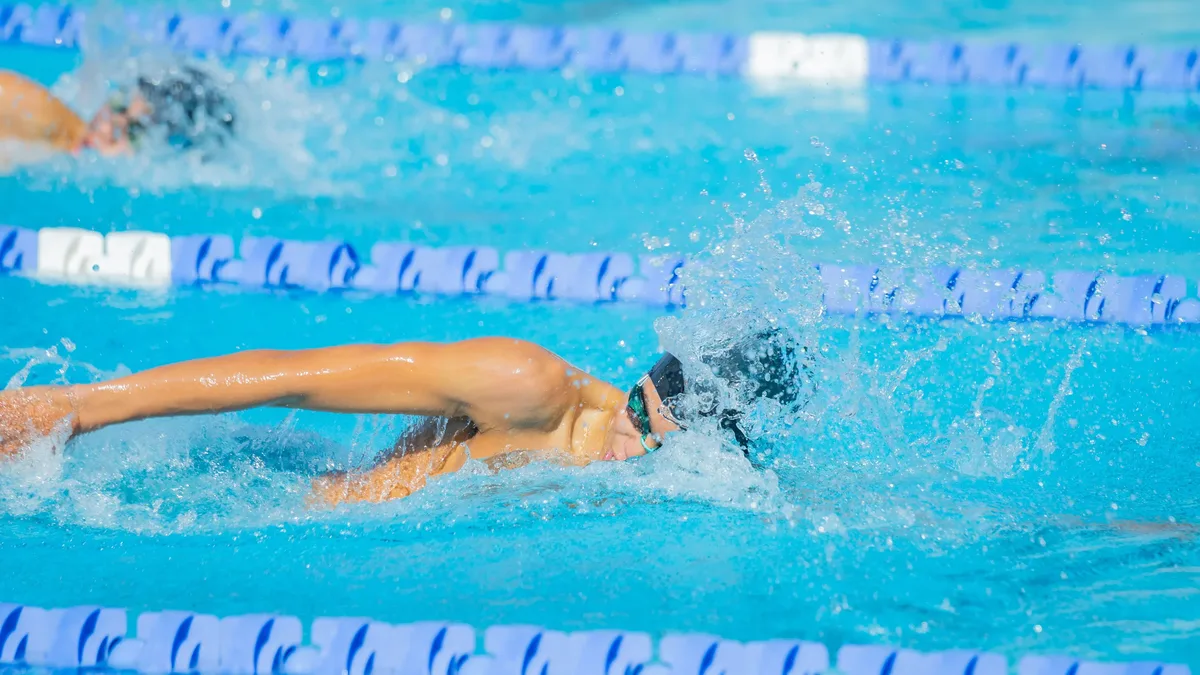
Tatjana Smith switches nationality to Dutch swimming
Olympic champion Tatjana Smith has changed her sporting allegiance from South Africa to the Netherlands, citing financial and governance challenges.
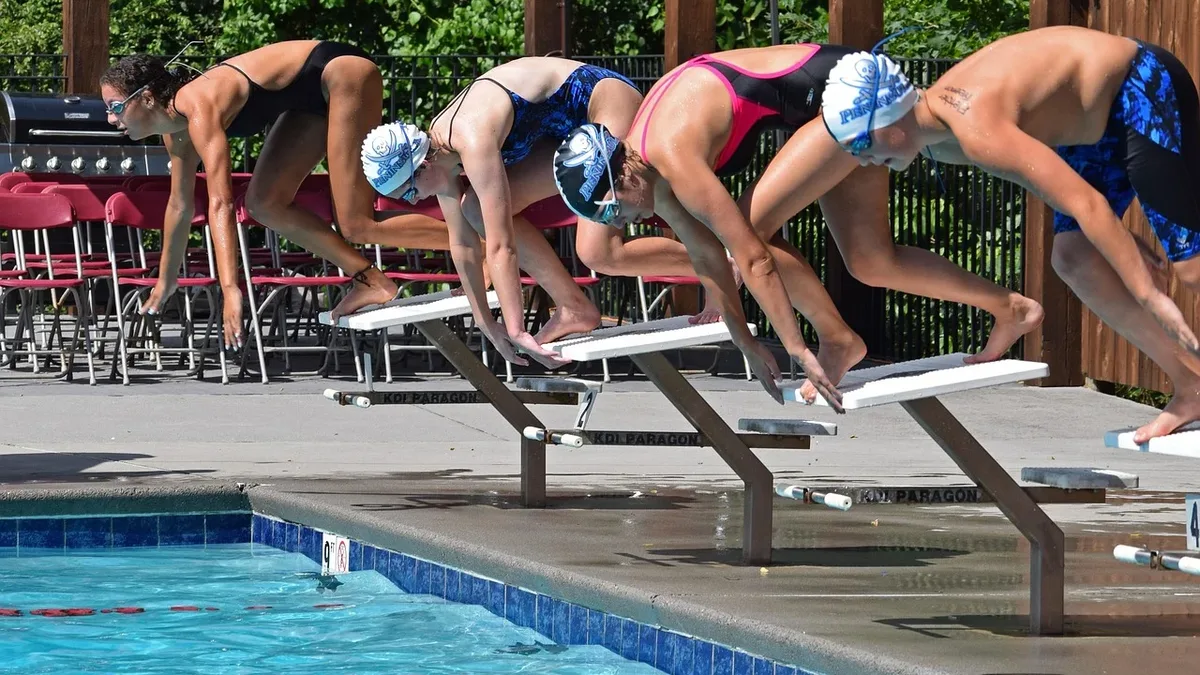
USA Swimming Finalizes 38-Athlete Roster for 2026 Short Course Worlds
USA Swimming announced its 38-athlete team for the 2026 Short Course World Championships in Beijing, with 18 swimmers set for their global...
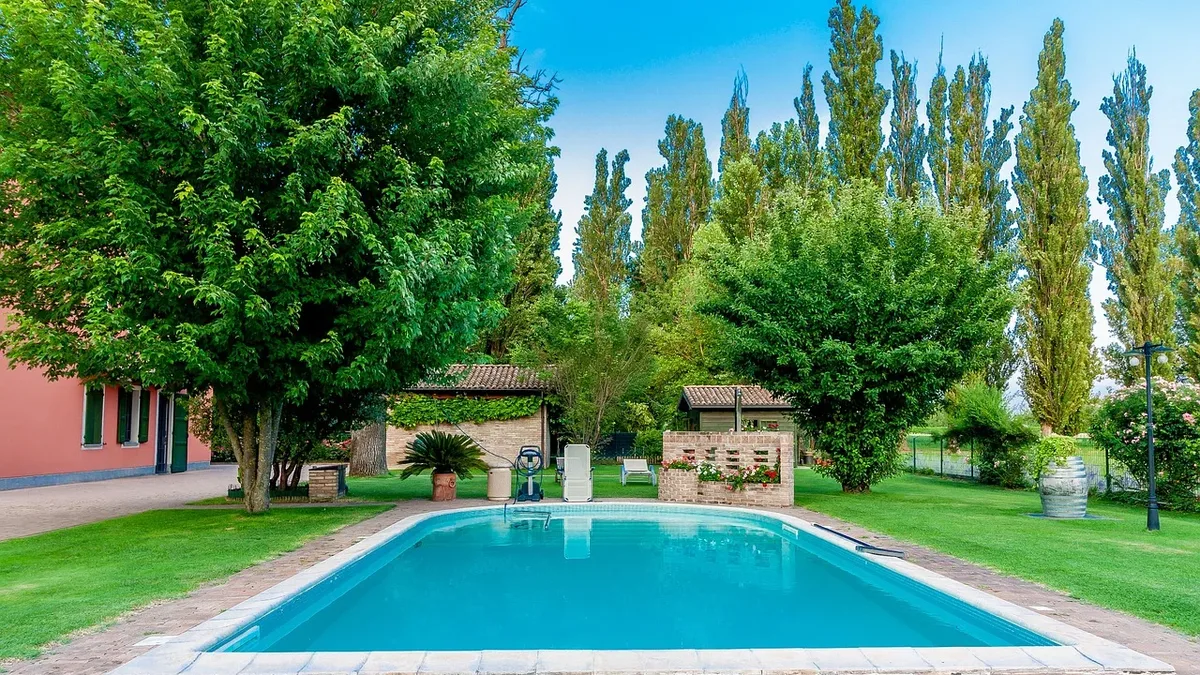
Antony Estate historic pond restoration gains community momentum
A community partnership is planning to restore an 18th-century tidal swimming pond on Cornwall's Antony Estate.